Blog
Why Is My Cat Sneezing So Much? When to Worry

Summary Box / Key Takeaways
- The occasional sneeze in a cat is normal. It can be a one off, caused by picking up a particle of dust, or a short lived reaction to some small irritant, or even to a strong smell for a short period of time.
- Recurring sneezing in cats can be a sign of an upper respiratory tract infection or even another health issue such as allergies, gum disease or even foreign objects entering the nasal passages.
- Red / colored nasal discharge and or eye discharge, in addition to sneezing, fever and / or loss of appetite in cats requires veterinary attention.
- Cats will occasionally sneeze due to environmental irritants. If your cat is otherwise active and eating well there is usually no cause for concern. It is a good idea to monitor for 48 to 72 hours for persistence of sneezing or additional signs of illness.
- Feeding a premium immune-supporting food for cats can help to support the respiratory system and aid in your cat’s fight against infection and disease that can cause sneezing.
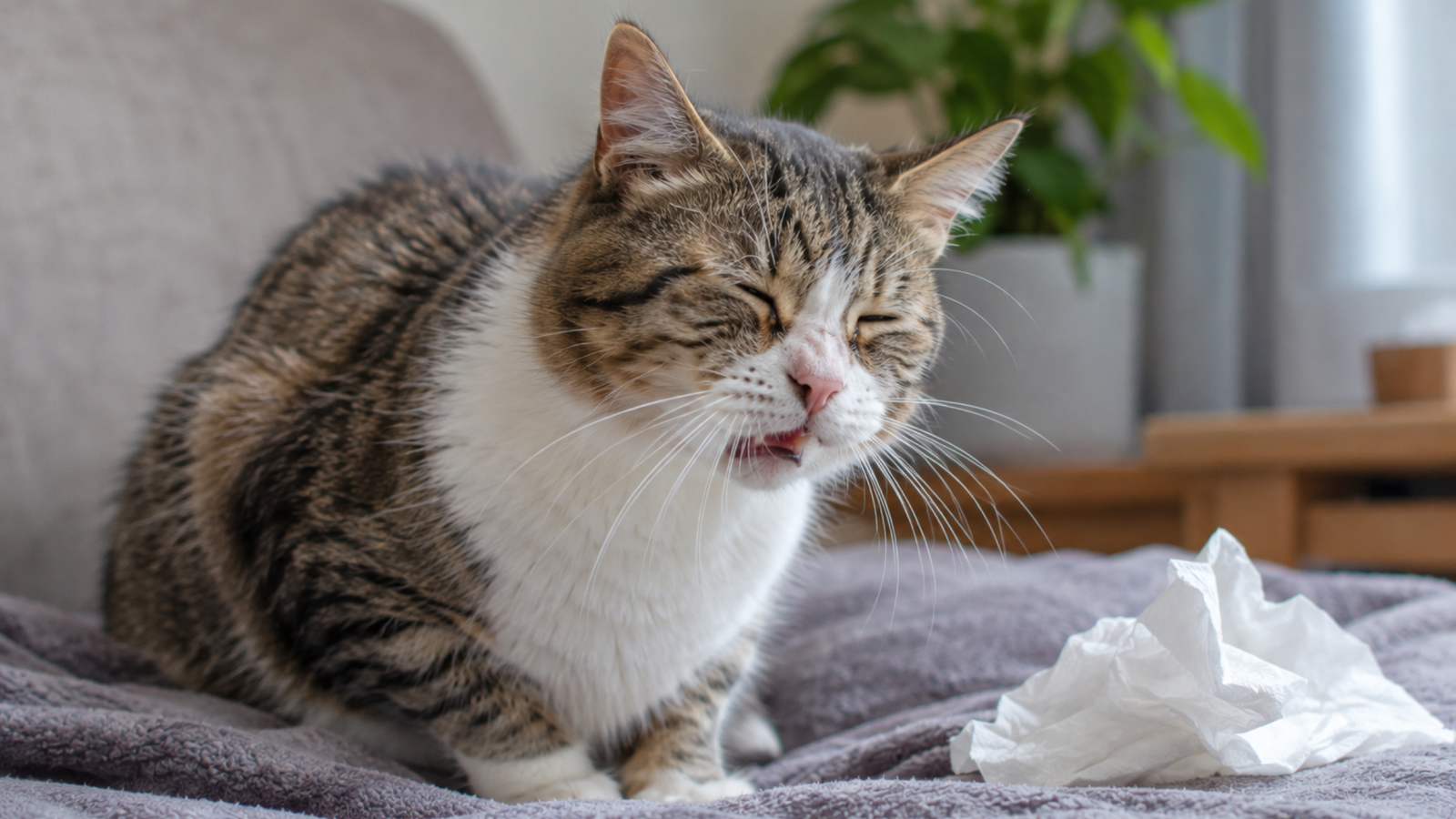
A sneeze in a cat is a completely natural and involuntary action which helps to expel foreign objects, such as bacteria, virus and mites, from the nasal passages and sinuses. The odd sneeze or two is completely normal for the odd cat but if your cat is sneezing frequently, persistently or is getting worse, then there could be an underlying problem, such as an upper respiratory tract infection, allergy, or dental disease, and your cat may need treatment from a vet. In this guide we shall be listing some of the most common reasons for sneezing in the cat and the warning signs which can develop. We shall also outline some of the care and treatment you can give your ailing feline at home, as well as when you should seek further veterinary help.
Is It Normal for Cats to Sneeze?
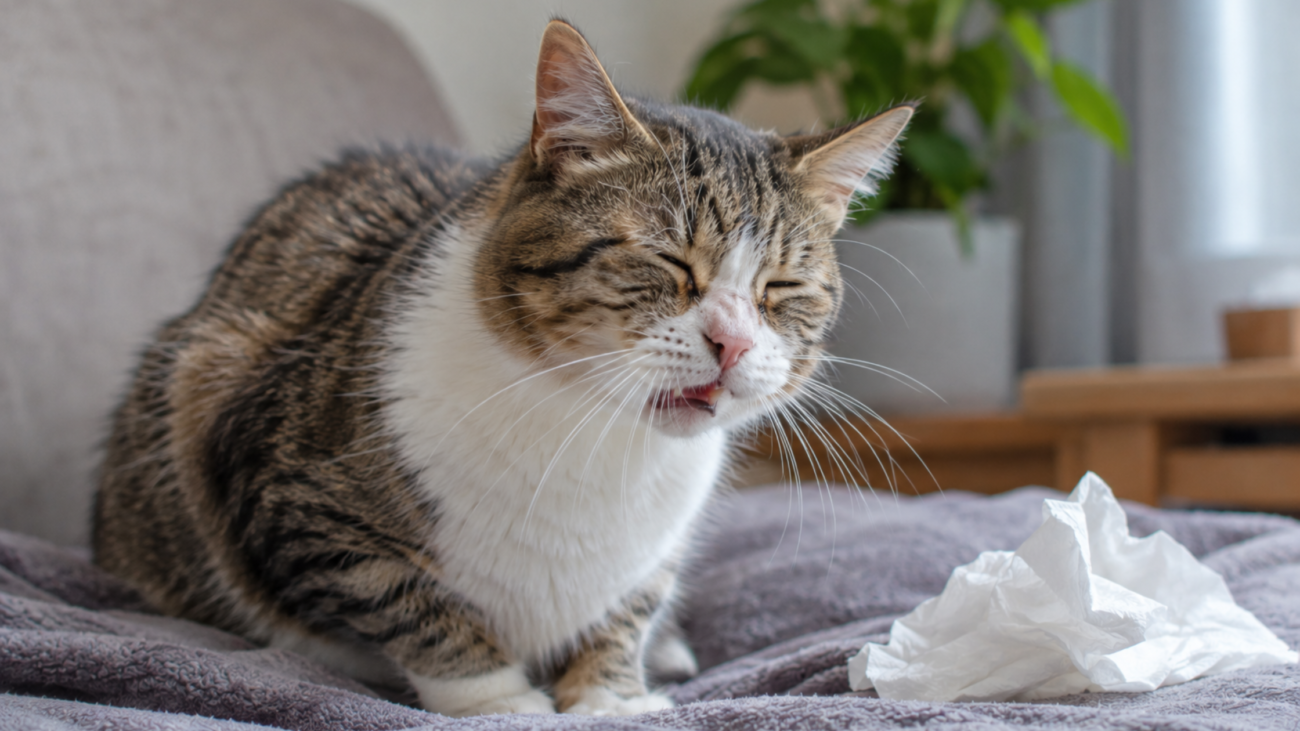
The occasional sneeze from your feline friend is normal and generally no cause for concern. A sneeze from your cat is similar to a human sneeze, in that they are blowing out particles such as dust, pollen, cat hair fibers, etc. from their nasal passages. So a single sneeze or two and your cat will be back to normal, having expelled whatever irritant had entered their nasal passages.
Cats have very sensitive noses and can smell things that are quite out of our range. Things with a strong smell such as perfume, cleaning products, scented candles, air fresheners, and even cooking can prompt a sneeze from your cat as they pick up the smell with their nose. The most common household cause of sneezing in cats is dusty cat litter, often sneezing whilst using the litter tray, or for a short time afterwards.
Pollens in the air can make for lots of sneezing in cats in the spring and autumn. Cats can also sneeze in winter, not because of the pollens, but because of the increased amount of times that central heating is used. This stirs up lots of dust and can cause lots of sneezing in cats.
The frequency and duration of sneezing will give you an indication as to whether or not sneezing is normal for your cat. An occasional solitary sneeze here and there is normal. However, a series of sneezes that occur several times a day for several days, or a few sneezes a day for an extended period of time that could be accompanied by nasal discharge or behavior changes are not normal and should be investigated.
Why Is My Cat Sneezing So Much? Common Causes
Frequent cat sneezing There are a number of causes for sneezing in cats. Determining the cause of persistent sneezing in your cat will help you determine whether or not you need to take your cat to the vet for treatment of the sneezing, or if it will go away on its own.
Upper Respiratory Infections (URIs) Persistent sneezing in cats is usually caused by an upper respiratory tract infection (URI) and the vast majority of feline URIs are caused by viral infections. Two of the viruses that cause disease in cats are Feline Herpesvirus (FHV-1) and Feline Calicivirus (FCV). Sneezing, a runny nose (with or without a blockage) and eye infection with discharge are all examples of the effects of a feline URI. Some cats with a feline URI may also go on to develop a secondary bacterial infection such as Bordetella or Chlamydia felis. This can cause symptoms in addition to those already present or even new symptoms entirely.
Allergies Cat allergiesCats can become allergic to a number of substances which cause them to sneeze. These are typically not related to a respiratory infection, which would cause a cat to have a runny nose with a yellow or green discharge and make the cat feel unwell with a fever and be lethargic. Typically an allergic sneeze results in a clear nasal discharge and the cat appears to be perfectly healthy.
Environmental Irritants
Dusty cat litter, aerosol products, scented candles, strong cleaning solutions and cigarette smoke can all cause sneezing in cats as these are irritants to the nasal passages of cats. Using a low-dust, unscented litter is one of the ways to help reduce sneezing caused by irritants.
Dental Disease Sneezing in cats can be brought on by a number of things that are considered to be nasal irritants. In the home, using a low-dust, unscented litter can help to stop sneezing in cats. Also, dusty aerosols, strong cleaning solutions and scented candles and even cigarette smoke can cause a cat to sneeze.
Foreign Objects Foreign bodies (such as a piece of grass, seed or other material) that are introduced into the nasal passages can cause sudden and violent sneezing as the body attempts to expel the object. This type of sneezing is acute in nature, is very intense and is typically unilateral (from one side of the nose).
Nasal Polyps or Tumours Chronic sneezing is generally more of a concern than acute sneezing and can be an indication of a growth within the nasal cavity or the nasopharynx. Typically these growths are nasal polyps that are benign and cause blockage of airflow. On the odd occasion a nasal tumor can develop in older cats, typically leading to progressive sneezing with a correspondingly progressive bloody nasal discharge.
My Cat Is Sneezing but Acting Normal—Should I Worry?
A normal appearing sneeze in a cat is usually due to an environmental irritant and in the absence of any changes in the cat’s behavior such as decrease in appetite, failing to play, groom or even use litter box normally and eating and drinking normally then sneezing could be caused by dust, pollen, some new household human cleaning products, etc. Just a slight nasal irritation which will resolve on its own in 24-48 hours provided no other underlying causes.
Most sneezing caused by air borne or surface irritants will be cleared up within 24 to 48 hours. Either the irritant will have been removed or the nasal passages of the cat will have returned to normal. The owner will see either a decrease in sneezing or an increase in sneezing.
A healthy-appearing cat can have an upper respiratory infection at the initial stages of illness. Many of the feline URIs start with a single sneeze or two and then symptoms such as runny nose, red and watery eyes and decrease in appetite appear 2-4 days later. In the wild sick cats hide illness so just because a cat appears healthy does not mean that the cat is healthy.
Our simple rule for when sneezing in a healthy cat may indicate an environmental irritant and therefore is likely to return to complete normal health within 48-72 hours as follows: if a healthy cat starts to sneeze and within 48-72 hours returns to complete normal health (i.e. no more sneezing and no increase in sneezing) and no other clinical signs such as nasal discharge or watery eyes or decreased appetite or lethargy develop then this likely indicates an environmental irritant and further investigation is not required. However, if the amount of sneezing either increases or ceases and is replaced by other clinical signs or the sneezing persists beyond 72 hours then your cat would benefit from a full examination by a veterinarian.
Cat Sneezing with Nasal Discharge: What Does It Mean?
If your cat is sneezing and there is nasal discharge then the nasal passages are reacting to some infection, inflammation or blockage in the nose. The color and type of the discharge and whether it is constant or comes and goes will help diagnose the problem with your cat’s nose.
Clear nasal discharge is an allergy problem or early sign of viral upper respiratory tract infections which are of least of concern and means the nasal passages are just wet and continuing to run until the cause of the problem has been removed or the cats immune system has dealt with the viral infection.
A white or yellow and thick nasal discharge indicates the time in the infection when the body is most actively fighting the disease. The nasal discharge from a feline in this phase of the disease is usually indicative of a transition from the viral part of the infection to the bacterial part of the infection and becomes more serious as it continues.
Yellow or green discharge There is also the possibility of a bacterial infection (primary or secondary to a viral infection) that produces a yellow or green, thick and colored nasal discharge in cats. These types of infections are not known to cure themselves and require a veterinarians prescription of antibiotics to cure. If left to spread, these types of infections can go down into the lower parts of the respiratory system and into the sinuses.
Bloody dischargeThe most serious type of nasal discharge is a bloody nasal discharge. It can be caused by sneezing so hard that you are knocking out blood vessels in your nose. A foreign body in the nasal passages can also cause a bloody nasal discharge. In older cats, a nasal tumor can also cause a persistent or recurring bloody nasal discharge. A veterinary investigation including imaging studies is required to determine the cause of this type of nasal discharge.
One-sided discharge One-sided nasal discharge can be due to a localized problem and typically needs to be investigated as it could be a foreign body in the nose, a dental abscess affecting the upper jaw or a nasal polyp on one side of the nose.
Other Symptoms That May Accompany Sneezing
Cat sneezing Isolating a sneeze and viewing it in isolation is less likely to uncover the cause of your cat’s illness than actually viewing the sneezing accompanied by secondary signs of illness. The owner can assist in the diagnosis of the cause of the sneezing by observing for secondary signs of illness and reporting them to the vet.
Watery or Discharge-Producing Eyes The color of the nasal discharge will also give you a clue as to the cause of the sneezing. Usually upper respiratory infections in cats will have some form of nasal discharge. This can be clear, white or even a yellow color. Some nasal discharge can even dry on the whiskers to form a crusty or yucky layer. Feline herpesvirus (or rhinotracheitis) causes a lot of sneezing and will also cause a conjunctivitis (inflammation of the eyes). So if your cat is sneezing, but also has squinty eyes, red eyes or even swollen eyes then the cause of the sneezing and the cause of the eye disease may require 2 different treatments.
Coughing Coughing in addition to sneezing will suggest that the nasal disease has extended to the throat or even lower airways and would be diagnosed as bronchitis (acute or chronic) or pneumonia or even asthma.
Reduced Appetite A blocked nose in addition to the other symptoms can also cause a loss of smell, which may mean that your cat refuses to eat because the smell of his food has been blocked by his nasal congestion. Soaking wet food with a little warm water can bring out the smells in the food, which a very smelly starved cat may be stimulated to eat.
Fever and Lethargy Fever is indicated by a cat having the ears and nose warm to touch, being extremely lethargic and having a dry nose. If a cat has a systemic infection it would need to be treated by a veterinarian. This cat is sneezing, is lethargic and feels warm to touch.
Drooling or Mouth Breathing Drooling often occurs in conjunction with sneezing due to either very severe nasal congestion and thus forced mouth breathing, or in combination with oral symptoms due to dental disease, then nasal symptoms occur as well.
Pawing at the Face A cat persistently rubbing their nose or face whilst sneezing may have a foreign body in the nose or could have a very sore and irritated nose.
When Should You Worry About a Sneezing Cat?
Pet owners should worry about a sneezing cat when the sneezing is persistent, worsening, or accompanied by additional symptoms that suggest infection, structural problems, or systemic illness. Knowing when to escalate from home monitoring to veterinary care prevents treatable conditions from progressing.
Seek veterinary attention if any of the following apply:
This is a 5 mo old cat that has a 72 hr history of progressive increase in sneezing either in frequency or intensity. There may be nasal discharge that is yellow or green in color and or bloody. The other sign of upper respiratory infections is discharge or redness of eyes with possible squinting and or swollen eyes. Decreased appetite – eating less than normal or not eating at all.
Lethargy, a fever, or a general withdrawal from play or other normal behaviors of your cat could indicate serious illness. Cats with such severe nasal obstruction that they are forced to breathe through their mouth in addition to symptoms of an upper respiratory infection like sneezing may also present with a persistent cough, wheezing or other signs of difficulty breathing. Young kittens (less than 12 weeks of age) can very quickly deteriorate with serious illness and old cats (over 10 years of age can have chronic sneezing that may be bloody or be due to nasal tumors or chronic nasal infections.
Seek emergency veterinary care if a cat shows difficulty breathing, open-mouth breathing at rest, blue-tinged gums, or complete refusal of both food and water alongside sneezing. These signs indicate a potentially life-threatening respiratory compromise requiring immediate intervention.
How Veterinarians Diagnose the Cause of Cat Sneezing
This is a 5 mo old cat that has a 72 hr history of progressive increase in sneezing either in frequency or intensity. There may be nasal discharge that is yellow or green in color and or bloody. The other sign of upper respiratory infections is discharge or redness of eyes with possible squinting and or swollen eyes. Decreased appetite – eating less than normal or not eating at all.
Lethargy, a fever, or a general withdrawal from play or other normal behaviors of your cat could indicate serious illness. Cats with such severe nasal obstruction that they are forced to breathe through their mouth in addition to symptoms of an upper respiratory infection like sneezing may also present with a persistent cough, wheezing or other signs of difficulty breathing. Young kittens (less than 12 weeks of age) can very quickly deteriorate with serious illness and old cats (over 10 years of age can have chronic sneezing that may be bloody or be due to nasal tumors or chronic nasal infections.
Diagnosis of most cases can be made with a simple nasal or conjunctival swab to identify specific viral or bacterial pathogens using PCR testing. A complete blood count will give an idea of your pet’s general health, their immune status and the function of their organs. Skull radiographs or a CT scan can reveal nasal tumors, nasal polyps, foreign bodies in the nasal cavity or even a dental root abscess affecting the nasal cavity.
There are a variety of methods that are used to make a diagnosis in cases of nasal discharge, some of which are chronic in nature. In addition to nasoscopy, which is a rhinoscopy with a camera that is inserted into the nasal passages to obtain a visual of the nasal cavity, if a mass is found it can be biopsied in order to make a definitive diagnosis. For example, a fungal culture may be needed for an outdoor cat with chronic nasal discharge and be diagnosed with cryptococcosis.
Additional information required for a diagnosis is information from the owner regarding the time of onset of the sneezing, whether it is unilateral or bilateral and if there are any other symptoms present.
Treatment Options for a Sneezing Cat
Treatment for a sneezing cat Treatment for your cat sneezing will depend entirely on the diagnosis by your vet for the cause of her sneezing. If her sneezing is caused by an irritant then simple changes to her environment could be sufficient to stop her from sneezing. However, she could need medication for an infection or even surgery to fix a defect in her nasal passages.
Viral Upper Respiratory Infections
In addition to Fluids and a normal nutritious diet, for viral upper respiratory infections, a number of methods exist to wipe nasal discharge from your cat’s nose to prevent it from running down their mouth. Rare cases of feline herpesvirus or rhinovirus can be treated with antiviral medication. The main antiviral used is famciclovir. In the past Lysine was used as a supplement for cats suffering with upper respiratory infections but there is no current scientific evidence to support its use for this condition.
Bacterial Infections
Bacterial infections of the upper respiratory tract and secondary bacterial infections of the respiratory tract in general need to be treated with antibiotics. The type of antibiotic that is needed for your cat will depend on the underlying cause of the sneezing and your veterinarian can discuss the options with you. Examples of antibiotics used for these types of infections include doxycycline and amoxicillin-clavulanate. It is essential that the entire course of antibiotics is given to your cat, even if they seem to be getting better before the end of the treatment.
Allergies
The common causes of sneezing in cats are allergies, dental abscesses or advanced periodontal disease, foreign bodies in the nasal passage and polyps or nasal tumors. Sneezing from allergies can be treated by identifying the cause of the allergy and removing it from your cat’s environment where possible. Antihistamines can be used to treat allergies in cats but their effect can vary between individual animals. The biggest source of relief for sneezing caused by allergies is removing the cause of the problem and using environmental control to remove other irritants. This can include the use of air purifiers, using an unscented litter and avoiding all aerosol products.
Dental abscesses or advanced periodontal disease are typically treated by extracting the affected teeth, followed by a course of antibiotics to treat the underlying infection. Sneezing will cease once the problem has been removed.
A foreign body in the nasal passages can be removed by your veterinarian using an endoscope and your cat under sedation. Smaller objects can be flushed out depending on size and location.
Polyps can be removed by surgery. Nasal tumors are generally treated with radiation or surgery but in some cases a palliative approach can be taken depending on the type of tumor and its degree of progression at the time of diagnosis.
What You Can Do at Home to Help Your Sneezing Cat
Home care for a sneezing cat is aimed at relief of the nasal irritation as well as to make the cat as comfortable as possible so that it can eat, drink and be given the best possible care until the cause of the sneezing has resolved itself either naturally or on treatment from a vet.
Reduce Airborne Irritants
Switch to a low-dust, unscented litter for your sneezing cat. Avoid all forms of aerosol (in the form of sprays, gels, mists, etc.) as well as candles, air fresheners, and strong home cleaning products (including green, eco-friendly, etc. options). Bring an air purifier into your home that uses HEPA filtration. These systems are able to remove the air of all of the smallest of particles, including dust, pollen, and dander.
Use Steam to Ease Congestion
Creating gentle steam in the nasal passages of your sneezing cat can be very helpful in loosening up any debris. Bring your feline into the bathroom and run a hot shower for 10 to 15 minutes. Your cat cannot get too close to the direct steam or hot water, but the warm, humid air will seep into the nasal passages of your feline.
Keep the Face Clean
Wipe any nasal and eye discharge with a clean, damp, warm cloth. Clearing the nostrils will allow your cat to breathe comfortably and prevent loss or reduction of smell which can result in your cat losing their appetite.
Encourage Eating
It is very important that your cat can smell his food, as nasal congestion very quickly can affect your cats appetite for food. Using a very strong smelling food such as fish based can help encourage you cat to eat. Also making warm wet food has a stronger smell than cold wet food.
Ensure Hydration
Place water in various locations around your home. Some cats prefer running water and can be encouraged to drink more should they become ill and be provided with a pet water fountain.
Maintain a Warm, Quiet Environment
Provide a warm, safe space for your cat to rest away from drafts. At times when your cat’s immune system is working overtime to fight off an illness your cat needs to rest. Minimize handling of your sick cat and try to keep changes to their environment to a minimum.
Can You Prevent Frequent Sneezing in Cats?
Not all causes of cat sneezing are preventable, We cannot completely eliminate sneezing from cats but there are ways to try to reduce the frequency and severity of the odd episodes of sneezing caused by infection, by allergens and by environmental irritants.
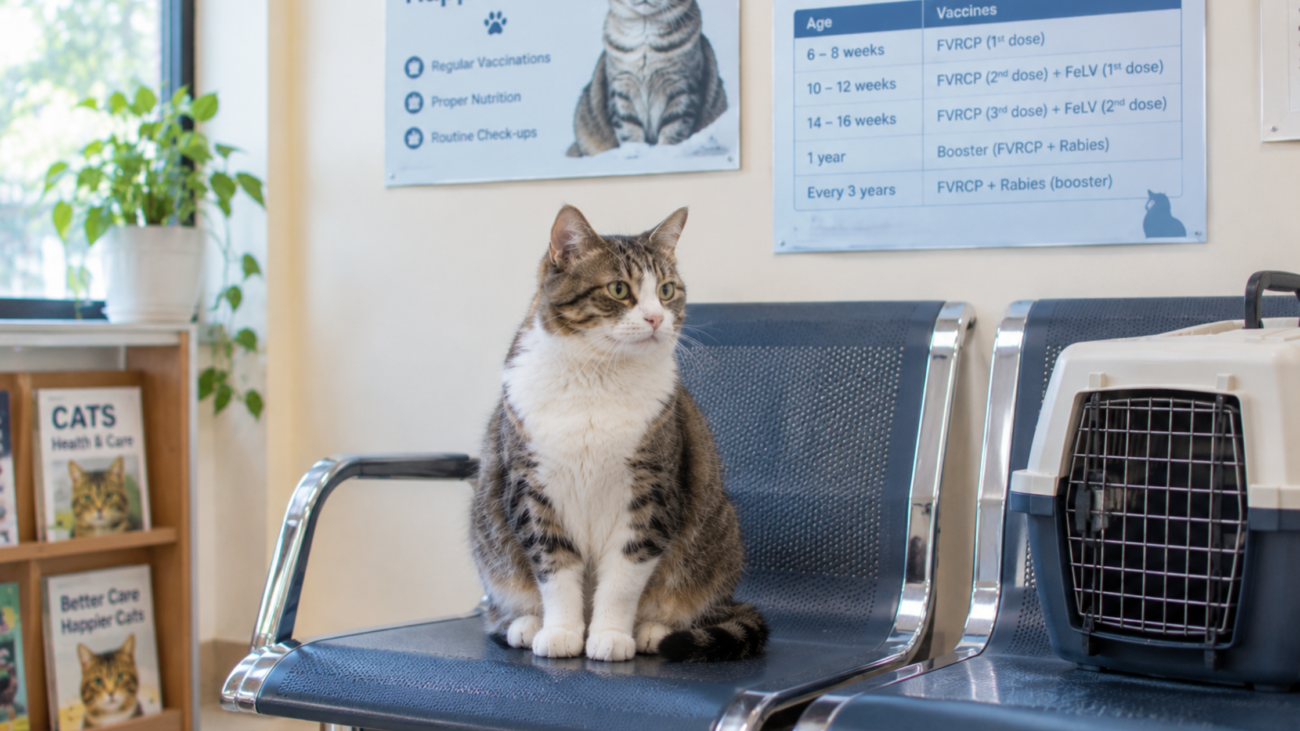
Vaccination is the best method of prevention for sneezing caused by infection. The FVRCP vaccine is used to protect cats against the feline herpesvirus and the calicivirus. These two viruses are the most common viruses that cause viral upper respiratory infections in cats. By keeping your cat up-to-date on all of her shots the risk of her having to sneeze due to upper respiratory infection can be greatly reduced.
Environmental control Other things to consider when trying to prevent sneezing caused by irritants are that cats generally avoid things that annoy their nose and therefore using a low-dust, unscented litter can be a good starting point. In addition, avoiding of all aerosol products, using of the very best quality of air filters and regular vacuum cleaning can help to remove the largest amount of airborne particles which could irritate a cat’s nose and cause it to sneeze.
Indoor livingBy keeping your cats indoors you are avoiding exposure to a multitude of allergens, diseases and foreign objects that could enter through their nasal passages. It has been shown that indoor cats are exposed to fewer respiratory pathogens than their outdoor counterparts.
Regular veterinary dental care is key to preventing serious dental disease which can in turn affect the nasal cavity. Even a yearly check up with a veterinary dentist could diagnose a tooth root abscess before it goes through the boundary of the nasal cavity.
Stress reduction on your cat so that his immunity to respiratory infections is boosted. By keeping your household a constant and providing your cat with adequate levels of enrichment activities and minimizing changes to his environment you will be supporting your cat’s own defense system against respiratory disease.
The Role of Nutrition in Supporting Your Cat’s Immune System
Help support your cat’s immune system with premium nutrition and aid in fighting off the respiratory tract infections like cat flu (viral & bacterial) and help to reduce severity and duration of sneezing due to illness. Your cat’s immune system cells need a diet with adequate levels of animal based protein and other essential nutrients to function optimally.
Cats are obligate carnivores which means their immune system cells require taurine, arginine and lysine – found in abundance in high quality animal based protein sources – to function 100% at peak efficiency. With lower levels of bioavailable protein found in poorer quality cat foods, your cat’s immune system will function poorly and result in a slow recovery from infection and subsequent sneezing.
In Premium cat food, we use Omega-3 fatty acids to control inflammation in the upper airways, as well as Vitamin E, C and Selenium as powerful antioxidants to protect the immune cells from oxidative damage when infected. Also, an adequate supply of zinc supports the growth and activity of immune cells and the destruction of pathogens.
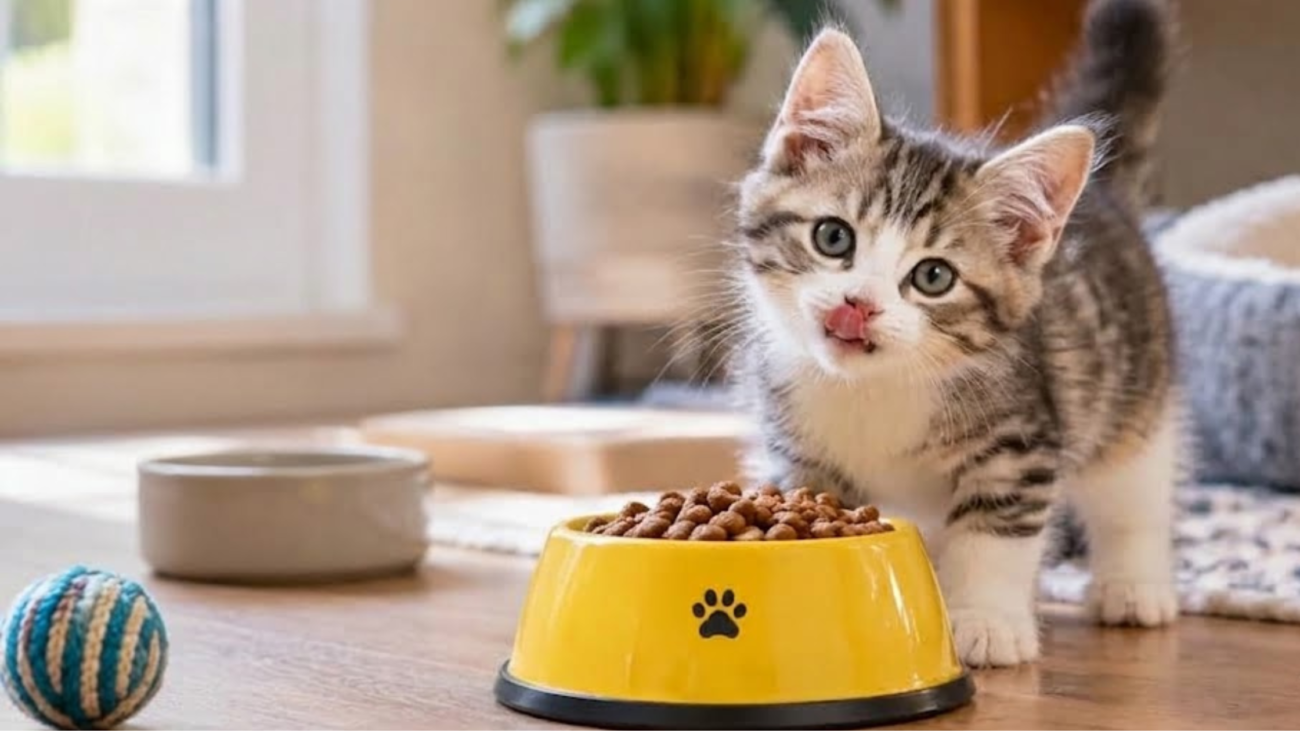
Taffuzo premium cat food provides all of the nutrients your cat needs to have the healthiest immune system. Taffuzo contains the highest amount of meat of any premium quality cat food and thus contains the bioavailable protein and essential amino acids required by your cat’s immune cells. Additionally Taffuzo contains a perfect balance of all essential micronutrients, meaning that Taffuzo not only supports your cat’s immune system, it also supports their respiratory health. Therefore your cat is well equipped to fight off any illness which could cause persistent sneezing, and the illness will soon subside as your cat recovers from the illness quickly.
Conclusion
The occasional sneeze in a cat is normal just as it is for humans. But there are times when a sneeze or two could be a sign of illness and it is best to get your feline to the vet as soon as possible. Sneezing that continues for more than 72 hours is considered to be a sign of illness and your cat could need treatment for a respiratory disease. Other signs of illness that need to be looked at by a vet as soon as possible are if your cat’s nasal discharge is colored, your cat has eye problems, your cat is not eating, your cat is lethargic. Early diagnosis and treatment of the respiratory diseases in cats is crucial as a short term illness could develop into a chronic or even life threatening disease. Reducing contact with possible irritants, ensuring your cat is up to date with all vaccinations, regular health checks with your vet and feeding a premium, balanced nutrition that contains immune system nutrients can all help to protect against the most common causes of sneezing in cats.
Frequently Asked Questions
Why does my cat keep sneezing but seem completely normal?
A: When your cat sneezes and appears to carry on as normal, it is likely to be down to your cat having encountered some dust, pollen or household irritant. It is best to monitor for 48-72 hours for the sneezing to get worse or for other symptoms to develop. Persistent sneezing or other symptoms may indicate serious illness and your cat should be seen by a vet.
When should I worry about my cat sneezing?
A: As before, worry if after 72 hours the sneezing continues (or has ceased) but becomes production of colored/bloody nasal discharge with or without eye involvement AND is accompanied by decreased appetite and is febrile and/or lethargic. Special attention must be paid to very young kittens as well as senior cats.
Can allergies cause frequent sneezing in cats?
A: Yes. Sneezing in cats can be caused by an allergy to pollen, mould, dust mites or household products. Allergic sneezing in cats is generally non-itchy and non-inflammatory and produces clear nasal discharge. It does not usually cause a fever. Removal of the allergen and the use of air purifiers can alleviate symptoms.
What does it mean if my cat has sneezing and watery eyes?
A: In addition to a runny nose, a sneezy cough, and lethargy, your feline may present with symptoms of an upper respiratory infection such as watery eyes. If this is the case, then the sneezing and watery eyes could be caused by the feline herpesvirus. A sneezing cat with conjunctivitis (pink eye) needs to be evaluated by your veterinarian for the appropriate antiviral or supportive care.
Is cat sneezing contagious to other cats?
A: Yes if caused by a viral or bacterial upper respiratory infection. Feline herpesvirus and calicivirus are two common causes of sneezing in cats. These diseases can be spread by direct contact with the cat, by contact with items that the cat has come into contact with such as food and water bowls, and by the air after the cat has sneezed. It would be best to isolate the sneezing cat until a determination can be made by a veterinarian as to the cause of the sneezing.
Can dental problems make a cat sneeze?
A: Yes. Sneezing from an upper tooth root infection which drains through the nose on one side. This can be diagnosed with a dental examination and skull radiographs.
What should I do if my kitten keeps sneezing?
A: Kittens with Upper Respiratory Infections (URIs) are very contagious and can be very serious. If your kitten is sneezing constantly more than 24 to 48 hours and has nasal discharge, loss of appetite, lethargy and other symptoms please seek veterinary care immediately.
Are there safe home remedies for a sneezing cat?
A: The above video outlines steps for creating a healthy home environment to safeguard your kitty’s health including utilizing steam in your humid bathroom, wipe of nasal discharge with a wet warm cloth, warming up of his canned food to entice him to eat, and the best types of low-dust unscented litters for your kitty’s environment. Please remember never to administer any human medicine to your kitty.
How do veterinarians diagnose the cause of cat sneezing?
A:Your kitten’s physical examination will be one of the methods that your Veterinarian will use to arrive at a diagnosis. Your kitten’s nasal swabs will be sent off for PCR testing of the common pathogens that cause upper respiratory infections in kittens and cats. The blood profile will help your Veterinarian to determine if your kitten has a problem with its immune system. Your kitten’s skull X-rays or a CT scan will help your Veterinarian to rule out any physical obstructions to your kitten’s airway. Rhinoscopy will aid your Veterinarian in viewing the nasal passages of your kitten. The Veterinarian will also consider your kitten’s vaccination history as well as the time frame in which your kitten’s symptoms have begun.
Can good nutrition help support my cat’s immune health?
A: Yes. A premium quality cat food that is made with high animal-based protein; has taurine; has omega-3 fatty acids; and has all of the required micronutrients found in nature will support the immune system. A healthy immune system will be able to fight the infections of upper respiratory diseases and recover from illness quickly.
Key Takeaways
- The occasional sneeze in a cat is considered normal. These sneezes are usually caused by something that irritates their nose such as dust or pollen.
- Sneezing that persists past 72 hours with or without discharge needs to be evaluated by a veterinarian.
- The most common cause of frequent sneezing in cats is Feline Upper Respiratory Infection (FUR). The vast majority of cases of FUR are caused by two viruses; Feline Herpes Virus (FHV) and Feline Calicivirus (FCV).
- Dental disease, allergies, foreign bodies lodged in the nose, and nasal tumors can also cause a cat to sneeze persistently and need specific treatment.
- Even if your cat seems perfectly fine 48 to 72 hours after the first sneeze, you will need to take your cat to the vet for assessment and treatment.
- Preventing Sneezing in Cats – Vaccination, Environmental Control and Premium Nutrition, the three pillars to preventing your cat’s sneezes.
- Never give your feline sneezing relief from human medications. Always consult with your vet.