Blog
My Cat Isn’t Eating But Acting Normal: Should I Worry?

Summary Box / Key Takeaways
- Why might a healthy cat stop eating (except for illness)? Stress, boredom with his food, dental problems, or even a short period of mild gastrointestinal upset.
- Most healthy cats can go without food for 24 to 48 hours, but it is best to seek veterinary help after 48 hours when your cat is not eating.
- A cat who is drinking water but not eating is of less concern than a cat not eating and not drinking but needs to be monitored.
- Healthy cats can go without food for 24 to 48 hours. However, if your healthy cat stops eating and is hiding, vomiting and/or lethargy, seek veterinary help within 2 days.
- Premium, nutrient-dense cat food made with high quality protein can assist to prevent chronic loss of appetite in cats.
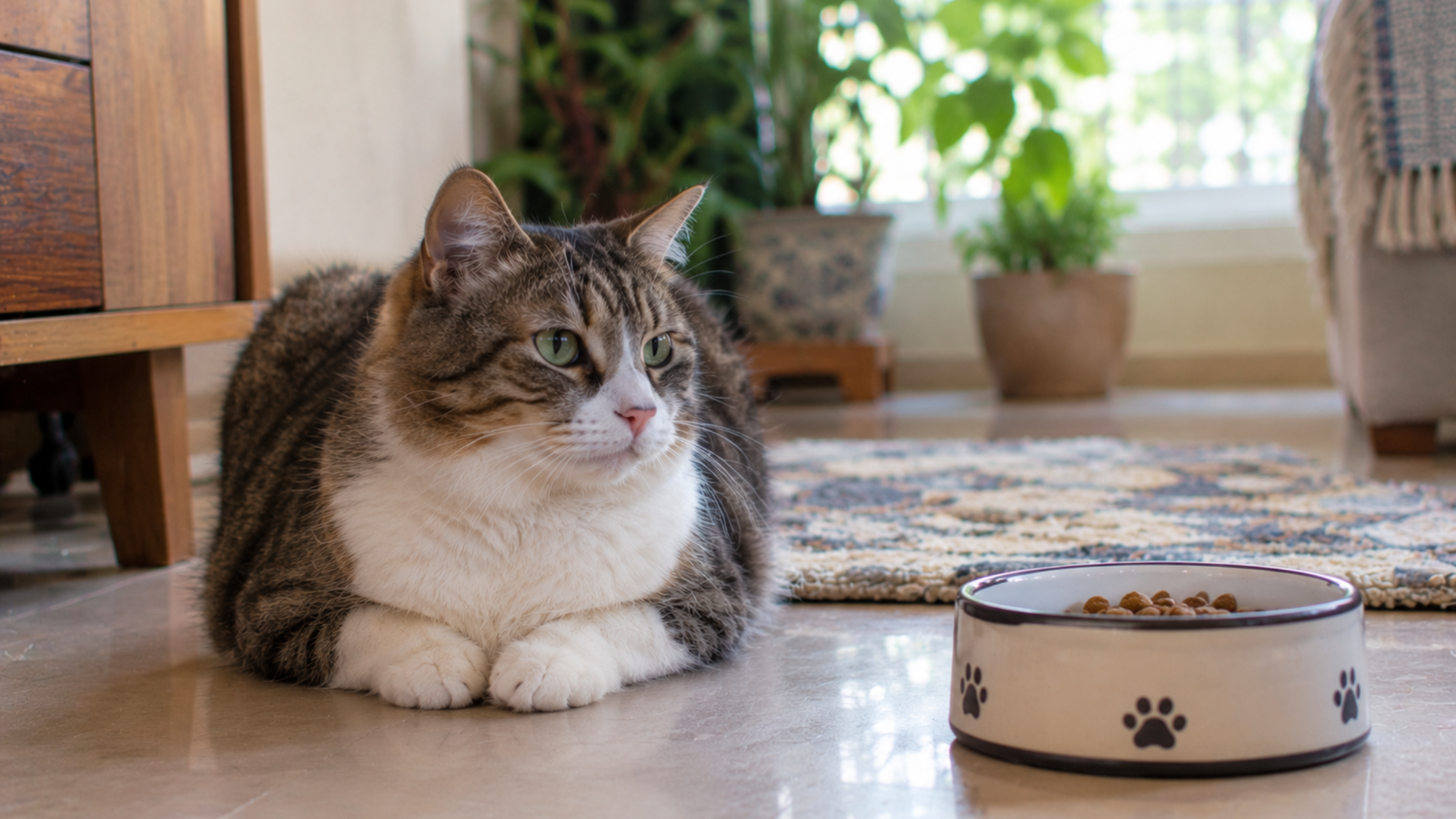
Cats that have lost their appetite but remain active are a huge concern for pet parents. Many times, cats stop eating for reasons that your cat views as trivial – stress or dislike of what’s being offered. Yet, your cat acts normally and you have no idea that your cat has stopped eating until serious problem has developed. Lack of appetite in a cat is something that should never be ignored for more than 48 hours. A cat’s body is extremely sensitive, and can very quickly develop a life-threatening disease of the liver called hepatic lipidosis should a cat stop eating. This guide will cover the possible reasons that a cat may have lost its appetite, and when you should start to worry. Also, what to do as a responsible cat parent.
What Does It Mean If My Cat Isn’t Eating But Acts Normal?
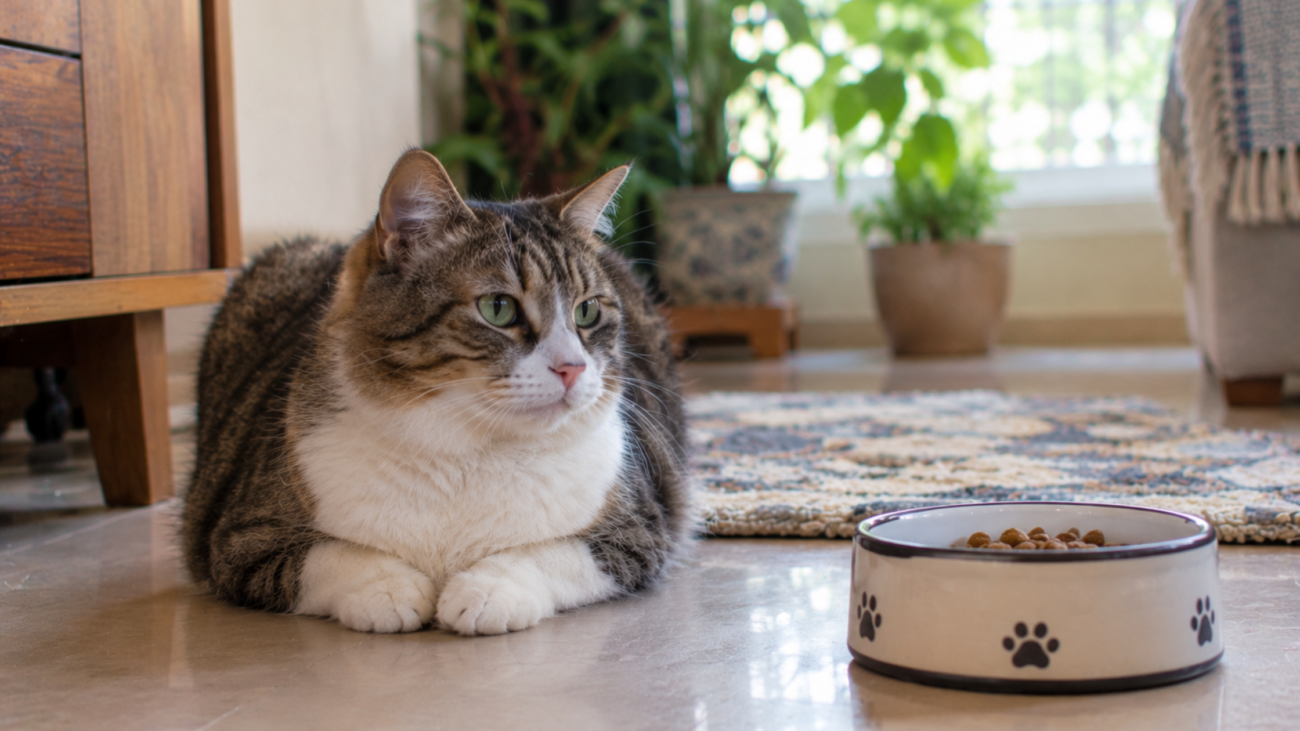
A cat not eating but seemingly perfectly healthy has simply lost interest in his food. This is very different from a cat not eating due to symptoms of illness such as vomiting and diarrhea and or lethargy and or hiding. If your cat is eating and acting normally, then he must have lost his appetite for a behavioral or environmental reason as opposed to illness.
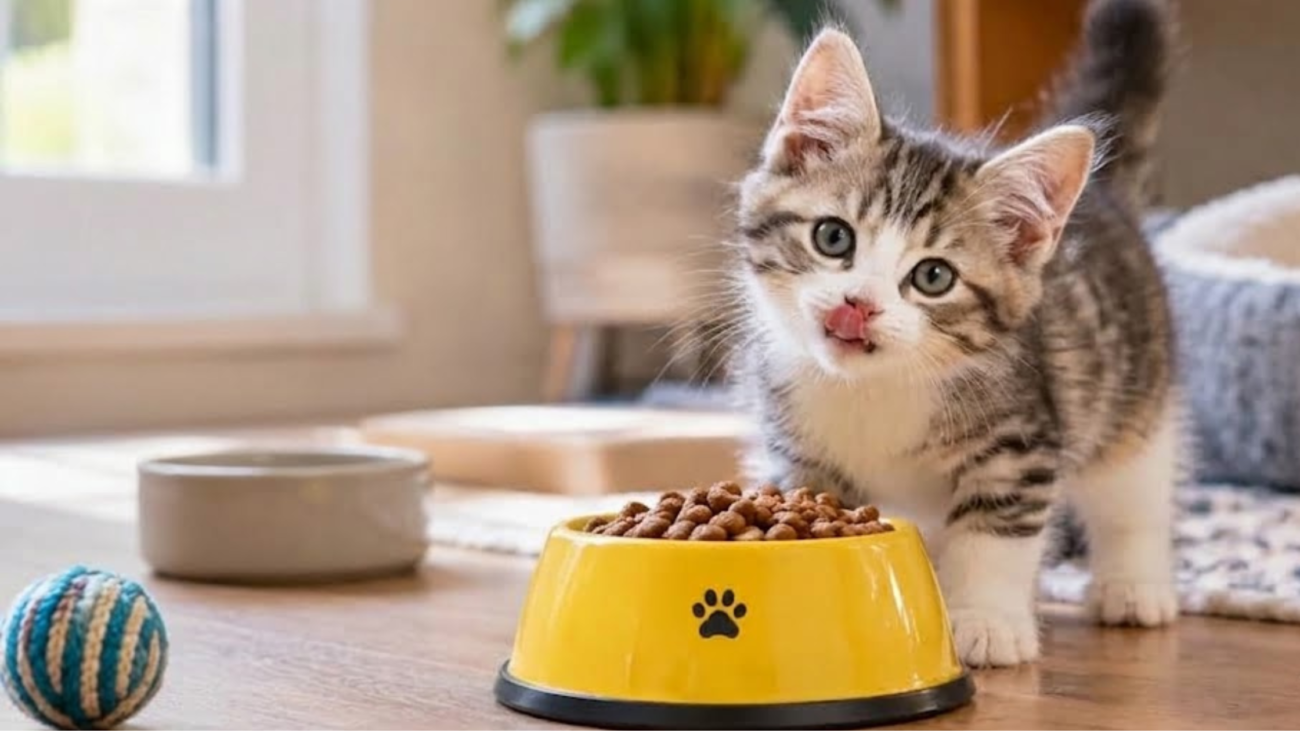
Changes in the cat’s environment can affect their eating. These changes don’t have to be negative for the cat. Simple things like a change of food in their bowl, moving their food bowls, a guest in the house or even a change in routine of other people in the household can cause a cat to stop eating his or her food temporarily. Cats are very sensitive to the texture, temperature and smell of their food. This means that even a change in the formula of a food that your cat is used to eating can cause your cat to refuse to eat it. If the food sits out too long your cat will also refuse to eat it.
Many cats are masters at hiding pain and illness. Your cat can still be perfectly interactive with signs of early dental disease, nausea or other internal discomforts. But a decrease in your cat’s appetite for food is important to recognize early. Even if your cat seems fine otherwise, a decrease in appetite for food can be an early sign of illness.
One missed meal is not a cause for concern. 2 or more missed meals over a 24 hour + period would be of interest to us here and could result in a veterinary consultation.
Is It Normal for Cats to Skip a Meal Occasionally?
It is normal from time to time for a cat not to eat a meal. Cats in the wild eat small amounts of food throughout the day by catching small amounts of prey. For domestic cats, the amount of food in each meal can vary and it is normal for a cat to have the occasional day where they do not eat as much as usual and are perfectly well.
There are many short-term factors that can suppress a cat’s appetite. For example, in hot weather most animals are less hungry than normal. So just because your cat hasn’t eaten a normal amount of food on a particular day, it doesn’t mean that they must be ill. Another example is that because they had a big meal the night before, they won’t feel like eating as much the next day. And some cats that live indoors will stop eating their food for short periods of time if they haven’t had enough physical exercise for a couple of days.
So the term occasional means from time to time for a one off meal but when a healthy cat is eating well between times of not eating then a day of no food for a healthy eating cat warrants some attention. Keeping a log of your cats eating times and the amounts that they have eaten can show a downward trend in eating over time ie. a healthy cat may eat less each week and this can indicate problems such as dental problems or chronic kidney disease or thyroid disease. All of these problems can be picked up early by your vet if they take your annual blood test.
One missed meal of a happy, active and hydrated cat is fine to occur every now and then. However, two or more missed meals in a 24 hour period warrants observation of the cat’s appetite return. If the cat does not return to eat within 48-72 hours it is best to seek the advice of a veterinarian.
Common Reasons Why a Cat Isn’t Eating But Seems Fine
Why is the cat not eating but seems fine? Your cat not eating while seeming perfectly fine to you could be the result of a few well-documented behavioral, environmental or dietary triggers that your pet parent needs to recognize quickly in order to rule out more serious causes of a loss of appetite in your cat.
Stress or Environmental Changes Cats are territorial by nature and also love routine. So it is common for a stressed cat to stop eating because of environmental change. The changes can be as simple as a new home, a new pet, new furniture or a new litter. Your stressed cat may seem completely fine and go about its usual business of play, grooming and sleep for normal times of day and night, yet refuse to eat until it feels it has come to terms with the new environment.
Food Boredom or Preference Changes Cats have very fine tuned senses of taste, smell and feel (touch). This means that they can very quickly become bored with the same old dry food, even if it is of high quality. Also, as cats are very sensitive to smell, they will not eat if the food in their bowl has become stale or smelly. The best way to prevent this type of boredom is to offer your cat 2-3 flavors of high quality dry food and change them around from time to time.
Dental Pain or Oral Discomfort Dental disease is a very common health problem that can occur in any age of cat and is found in approximately 50-90% of cats over the age of 4 years according to recent research into veterinary dental. In the early stages of gingivitis or in cases of tooth fracture or oral lesions the cat is unlikely to be in any pain and therefore appear to be 100% normal. In some cases the cat may not even be hungry as normal. In very rare cases a cat with dental pain may be seen to be occasionally pawing at their mouth or drooling but this is only found in the in advanced stages of dental disease.
Mild Gastrointestinal Upset Occasionally your cat may ingest an item that causes a brief bout of stomach upset or nausea. Items like string, a houseplant leaf, or other high calorie treats may cause your cat to miss a few meals and appear back to normal.
Vaccination or Medication Side Effects Appetite decrease in cats is a side effect from new vaccines. Typically, the cat’s normal appetite returns within 24 to 48 hours. There are many oral and injectable medications prescribed for cats such as some antibiotics and anti-inflammatory medications that will cause a short term decrease in appetite for days.
Weather and Seasonal Changes In a seasonally changing environment, the wild and feral ancestors of our pets would typically reduce their intake during hot weather, provided they are drinking sufficient water. You don’t need to worry about this situation.
Food Bowl Issues Cats do not like to eat from bowls that are too deep or too narrow. And if your cat’s meals are in a very noisy area of the house (e.g. near a busy street) she will probably not want to eat her meals there. This is known as whisker fatigue, where your cat’s whiskers are pushed up against the side of the bowl. This is very uncomfortable for your cat and she will soon learn to avoid eating her meals in such a location. A wide, shallow bowl is best for your feline friend.
Why Cats Stop Eating Even When They Don’t Look Sick
Cats are deceitful animals. In the wild, if a cat appears weak or vulnerable it will be killed by another animal. Thus, the domesticated cat continues to hide the evidence of illness and disease longer than any other pet. Pain, illness and organ failure can all be masked by a seemingly healthy cat. They hide sickness and disease longer than dogs.
If your cat stops eating but seems perfectly fine otherwise, it is very important to seek veterinary care immediately as it may indicate the early stages of disease such as kidney disease, hyperthyroidism, pancreatitis or intestinal blockage. These diseases can have a long period of time where your cat is slowly losing weight before symptoms of weight loss, vomiting or changes in behavior occur.
Feline kidney failure is a chronic disease that is very common in older cats with figures stating that up to 30-40% of cats will be affected with chronic disease as they age. Feline kidney failure or Chronic Kidney Disease (CKD, in older cats typically starts to develop around 10 years of age. The first sign of early failure of the kidneys in cats is often a reduction in their food intake. Many owners mistake their older cat loosing their appetite for being fussy and going off of their food and so ignore it for long periods of time. However chronic diseases such as this need to be picked up by a veterinary blood test early on before signs of illness start to show so treatment can be of the best quality and length.
Why does every 7+ year old cat need an annual blood panel – to catch appetite related diseases early – before your seemingly healthy cat “looks” ill and treatment becomes less effective and less able to extend quality of life in the long run. Don’t assume your seemingly healthy cat is just fine if their appetite has wavered for 48 hours or more.
My Cat Is Drinking Water But Not Eating: What Does It Mean?
While it’s very concerning that your cat isn’t eating, the fact that your cat is drinking water is a positive sign. So while your cat may have an empty belly for the moment, your cat is likely getting enough hydration and you can focus your attention on finding out why your cat won’t eat instead of worrying about dehydration.
One good sign for this cat is that it is drinking water. Dehydration in cats is an emergency that can develop very quickly so a cat that is voluntarily drinking water but not eating is less likely to develop dehydration than a cat not consuming either water or food.
Feeding water to a cat is not enough. They are obligate carnivores, meaning that they require to eat animal protein and very specific amino acids which their bodies cannot make. If your cat is not eating, then in 24 to 48 hours your cat’s body will begin to use up its fat stores for energy. In doing so, your cat can develop a life-threatening condition called hepatic lipidosis or fatty liver disease.
Warming up a little bit of a cat’s favorite wet food and placing it in front of them can encourage them to eat. Since a cat’s sense of smell is what generally brings them to their food in the first place, warmed, strongly smelling foods are your best bet to initially try to get your pet to eat. If your cat won’t eat any of their food for more than 48 hours but is drinking plenty of water, take your cat to the vet for blood work and a physical exam to check for conditions such as chronic or acute kidney disease, diabetes, and even a possible gastrointestinal obstruction.
My Cat Is Eating Treats But Refusing Regular Food
Why your cat is eating treats but not his regular cat food. A cat eating treats but refusing his regular cat food is almost always a behavioral issue and not a medical issue. As we said earlier, treats are the highest value food that we give to our cats and they are extremely flavored and have an extremely strong aroma. Most cats will continue to eat their meals if they know that they can get treats by refusing their meals.
This is commonly referred to as ‘treat training the owner’. Many cats exhibit this behaviour and it is generally considered to be a matter of great concern. The ‘treats’ being referred to are junk food and the cat is choosing to eat these instead of balanced, nutritionally adequate meals of regular cat food. The reason the cat is choosing to eat the junk food instead of its regular meals is because the pet parent is unwittingly ‘treat training’ them by giving them the treats when they don’t eat their meals.
Fix the problem of treats being consumed in place of meals by withdrawing them from the diet and by serving the regular meals at set times and removing any uneaten food after 20-30 minutes. Healthy cats can be expected to return to eating their regular diet within 1-2 days. If after 24 hours the cat has not eaten to eat any food then there may be an underlying medical problem and you should seek advice from a vet.
Choosing the right premium quality cat food with high amount of fresh meat and natural flavoring will always attract a healthy conscious cat to natural tasting food as opposed to alternative which contains artificial fake flavoring and are mass produced.
My Cat Won’t Eat Wet Food But Eats Dry Food
There is often a preference for texture when it comes to felines. Many cats enjoy the crunch of their dry food over the softness of pâté style wet foods or even shredded style of wet foods. As kittens that were raised on dry food, these adult animals will continue to prefer the dry form for the rest of their lives.
Try offering different varieties of wet food, all of different textures to see that your cat in fact detests ALL wet foods rather than just the current variety that you’re offering. Also note that the vast majority of cats detest their wet food when it’s been removed from the refrigerator and therefore it must be warmed to room temperature or above in order to be devoured.
My Cat Won’t Eat Dry Food But Eats Wet Food
Sometimes the cat that is eating wet food sporadically may be in pain due to dental problems such as gum disease. Many cats have dental problems such as tooth resorption or cracked teeth and have no signs of pain when eating their regular hard kibble.If your cat suddenly stops eating the dry food but continues to consume the wet food after months or years of eating the dry then it would be worth getting a veterinary dental examination.
Dental disease in cats is an under-diagnosed health issue in cats. Continue to feed your wet food and feed accordingly for calories and protein until your cat’s problem can be diagnosed and treated by your veterinarian. Your cat’s return to their normal appetite for their dry food is just around the corner!
How Long Can a Cat Safely Go Without Eating?
A healthy cat can survive for up to 48 hours without food. However, if your cat doesn’t eat for 48 hours, the risk of developing fatty liver disease or hepatic lipidosis increases dramatically. This particularly affects overweight cats, as the body will begin to burn fat for energy. As this fat is poured into the liver, the liver cells become filled with fat, losing function and potentially causing the cat’s organs to suffer from organ failure.
Hepatic lipidosis or fatty liver disease is a life threatening disease that can affect cats. It occurs when a cat’s body starts to use fat for energy and this fat cannot be used by the liver. As a result the fat will start to accumulate in the liver cells. The liver will not be able to function properly and can eventually cause life threatening organ failure. This disease is most likely to affect overweight and obese cats. These animals have the largest amount of fat in their bodies and when they stop eating this fat is released into the liver.
Other groups of cats are at risk of serious illness after a much shorter period without food. Kittens, senior cats and ill animals all have higher risk of serious health problems than healthy adult cats of normal body weight. A young kitten under 6 months of age should not be without food for more than 12 hours as these animals have very little body fat and a high metabolic rate and require a constant supply of energy to sustain life. Senior cats over 10 years of age can develop serious problems due to lack of eating within 24 hours as their organs are not as robust as those of healthy adult animals.
The timeline below outlines general risk levels:
| Duration Without Food | Risk Level | Recommended Action |
| 0–12 hours | Low | Monitor; offer fresh food |
| 12–24 hours | Moderate | Try warming food; check for stressors |
| 24–48 hours | High | Contact veterinarian; prepare for visit |
| 48+ hours | Critical | Seek immediate veterinary care |
Water intake remains critical throughout. A cat that stops eating and drinking is in immediate danger of dehydration and should be seen by a vet within hours, not days.
Warning Signs That Require Immediate Veterinary Care
Infrequent eating in cats is normal and does not require treatment. However, if your cat stops eating and has some of the ‘warning signs’ detailed below then this can become an urgent medical problem requiring a visit to your vet.
Vomiting or Dry Heaving Repeated vomiting especially vomiting bile (yellow or greenish fluid) combined with food refusal may indicate a gastrointestinal obstruction, pancreatitis, or poisoning. A single instance of vomiting after gorging could be normal, but a cat with a decreased appetite that vomits (or appears to retch without vomiting) repeatedly within a 24 hour period may require an emergent examination.
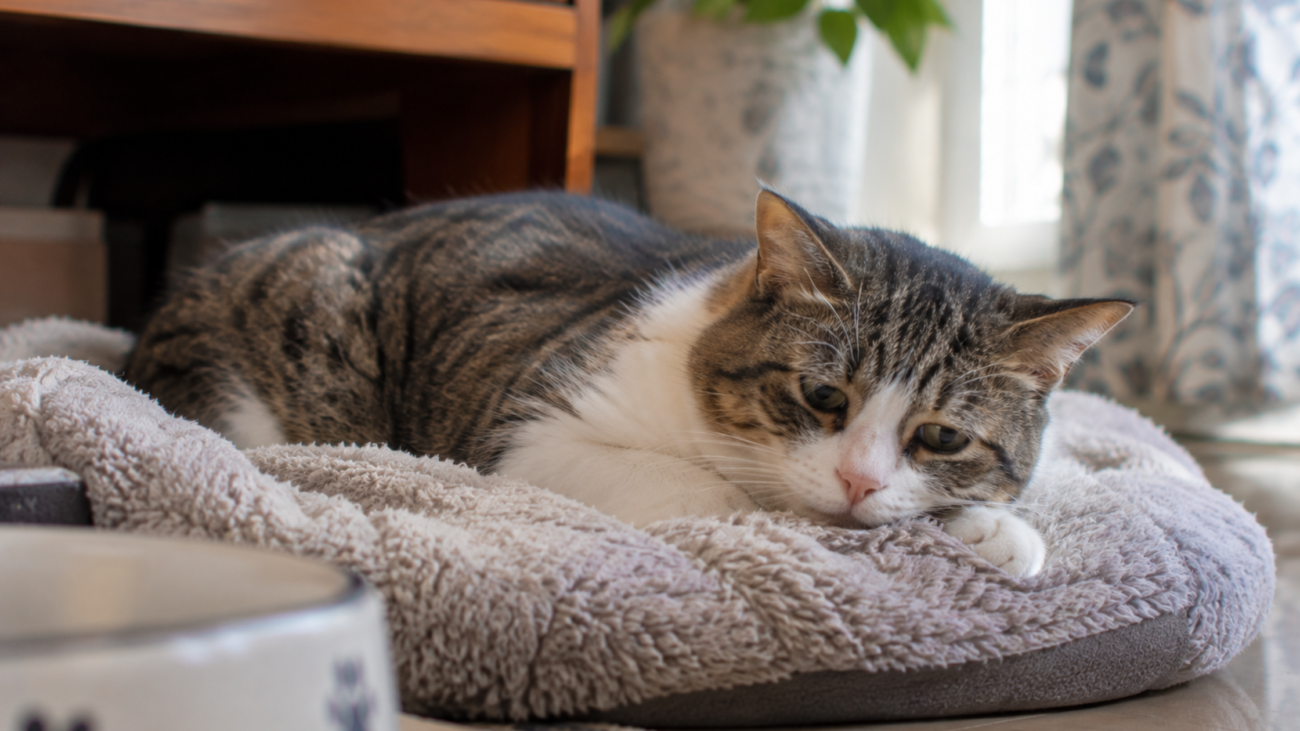
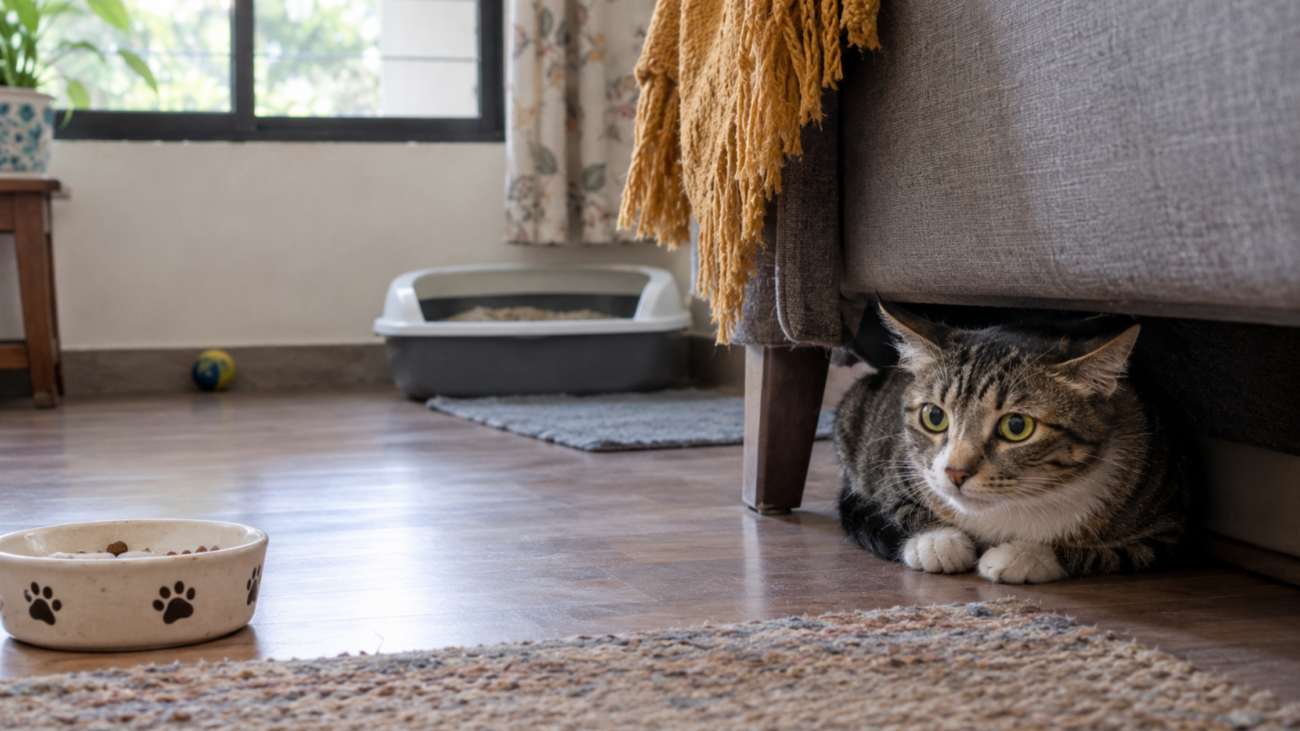
Lethargy or hiding under a bed or in a closet of a cat that has stopped eating is likely to be very ill and in pain. A cat that has stopped eating is of greatest concern. Lethargy is one of the first signs of serious illness in a cat. Lethargy is defined by a decrease in a normal level of activity. A lethargic cat appears to have no interest in playing, in running, in jumping, etc. A normal, healthy cat is always found to be sleeping, but a sleeping sick cat is sleeping more than normal.
Weight Loss Unexplained weight loss in a short amount of time (about 1-2 weeks) along with decreased appetite can indicate a serious, systemic illness such as hyperthyroidism, diabetes, chronic kidney disease or even cancer. Weight loss in cats is a serious condition that requires a blood test and radiographs for a definitive diagnosis.
Changes in Litter Box Habits Both cats and dogs can present with gastrointestinal signs of diarrhea or constipation and also signs of a urinary tract blockage with straining to urinate and possibly blood in urine. A lack of appetite is also a serious sign in both species. In intact male cats a complete blockage of the urine is a life threatening emergency that requires immediate treatment.
Drooling or Pawing at the Mouth At the Mouth Drooling or pawing at the mouth can indicate severe dental pain or a mouth tumor. It could also mean he has a foreign body stuck in his mouth or down his throat and is unable to eat. Your cat will need to be seen by a vet as soon as possible.
Rapid Breathing or Open-Mouth Breathing Labored breathing in cats and decreased interest in food can be signs of serious illness including heart disease, a condition known as pleural effusion (fluid around the lungs) and severe anemia.
Wait and see for one day where multiple signs are present, could mean time for to treatable stages of disease to develop irreversible changes in the critical stages of that disease. Consult with your veterinarian.
Why Premium Nutrition Matters for Your Cat’s Appetite
Food choice is driven by biology when it comes to ensuring that your pet eats consistently and remains healthy. The highest quality premium pet foods will be made of the highest quality animal protein sources, whole natural ingredients, and include all of the required essential vitamins and minerals. Since cats are obligate carnivores, their diet must be comprised of high amounts of protein that is derived from animal sources as well as fat. There are also very specific needs when it comes to the micronutrients that are found in animal derived foods. In short, food that meets a cat’s nutritional requirements at a biological level will be a food that they are most likely to eat consistently.
Lower quality of cat food may include fillers, such as grains, artificial flavors and by-product meals. These fillers contain calories; however, they lack essential amino acids, fatty acids, and or vitamins that are required by a cat for overall health and well-being. As your cat is eating this type of food over time, your cat can develop small deficiencies of nutrients. These deficiencies can cause a decrease in your cat’s appetite, cause your cat to have lack of energy, and cause your cat’s immune system to be compromised.
Taffuzo The best premium cat nutrition is made with the feline at the forefront of all considerations. A high meat content of the highest quality animal-based protein with all the required taurine for heart health, good vision and reproductive functions is the main ingredient of all top premium cat foods. All other natural ingredients provide the required smells and tastes to satisfy a feline’s natural appetite for food and are far superior to the low quality, processed ingredients found in most commercial cat foods. No artificial additives are used in the recipes of these premium cat foods and there is always the correct amount of balanced omega fatty acids for a healthy coat and skin with a good healthy appetite for long periods of time.
Giving your cat the best nutrition in the long term will avoid diet induced appetite problems and will support all the organs of your aging cat. Most importantly it will give you as a pet parent the best assurance that the nutrients of your cat are of the highest standard.
Conclusion
Your feline friend not eating but seems fine?! Don’t worry just yet! A healthy cat can go for 24 hours without eating due to environmental, food changes or even stress. But by 48 hours your cat with normal body mass will start to develop potentially life threatening hepatic lipidosis. So, even if you are spending top dollar for the best food with high protein content and are feeding on a regular and consistent basis – after 48 hours your cat’s appetite can disappear and can bring on life threatening health issues. If your cat’s only health issue is not eating then medical attention would be required to rule out serious health issues. Your best efforts at ensuring long term healthy appetite in your feline would have been foiled.
Frequently Asked Questions
Why is my cat not eating but acting completely normal?
The healthy adult cat can go for 24-48 hours without food and then start to get ill. A healthy adult cat can be ill of Hepatic Lipidosis (fatty liver) by the size of which is defined by loss of body weight of 5-10% (approx 3-6 days of loss of appetite) and show no other signs of illness. The stressed, bored, not eating properly due to dental problems, recently moved etc. healthy adult cat can appear to be normal until it is too late and has lost dangerous amounts of weight. Monitor for 48 hours or so and then seek advice from your veterinarian if your healthy adult cat stops eating. Kittens and senior cats get ill much sooner.
Should I worry if my cat is drinking water but refusing food?
Healthy adult cats may survive for 24 to 48 hours without food and then begin to develop serious medical problems. One of the most serious is hepatic lipidosis or “fatty liver” which typically develops in healthy adult cats after 48 hours of anorexia. Kittens and senior cats have a shorter safe period and should receive a veterinary diagnosis for a cat that stops eating.
Why will my cat eat treats but not regular food?
It seems some cats have figured out that starving themselves at night will ensure they get treats in the morning. These will be more powerfully flavored than their regular night time meals. This is a behavior and NOT a medical problem. Stop using treats as stand alone meals. Feed your cat a premium quality food at regular mealtimes. Remove uneaten food after 20-30 minutes. Most cats will go back to their regular meals within 1-2 days.
What are the first signs of illness in a cat that stops eating?
The early signs of illness in a cat are increase of hiding, slight weight loss, change in litter box behavior, decrease in grooming, slight lethargy. Cats have an overwhelming instinct to hide any sign of illness and as a result these early signs of illness can go undetected for some time. Weigh your cats regularly and have annual blood work done on your cats to detect any illness before signs of illness become apparent.
Can stress cause my cat to stop eating?
Yes. Many cats loose their appetite due to stress. The stress can be from changes in home and family from adding new pets. Loud noises and changes in daily routine of the family can also cause a loss of appetite in your cat. Even moving of the furniture can cause stress to your animals. In most cases the animal starts to eat again within 24-48 hours after the stressor has been recognized and removed.
What foods can I safely offer to encourage my cat to eat?
Warm up some wet food, such as canned food, cooked, plain chicken, or even a small amount of tuna in water and place it in front of your cat to see if they get any interest in eating. Raw meat, onions, garlic, grapes and dairy products all can suppress a healthy cat’s appetite and are not good for them to eat in any case. Once your cat’s back to normal and eating well again, you can go back to their regular, well-balanced food.
When should I take my cat to the vet if it isn’t eating?
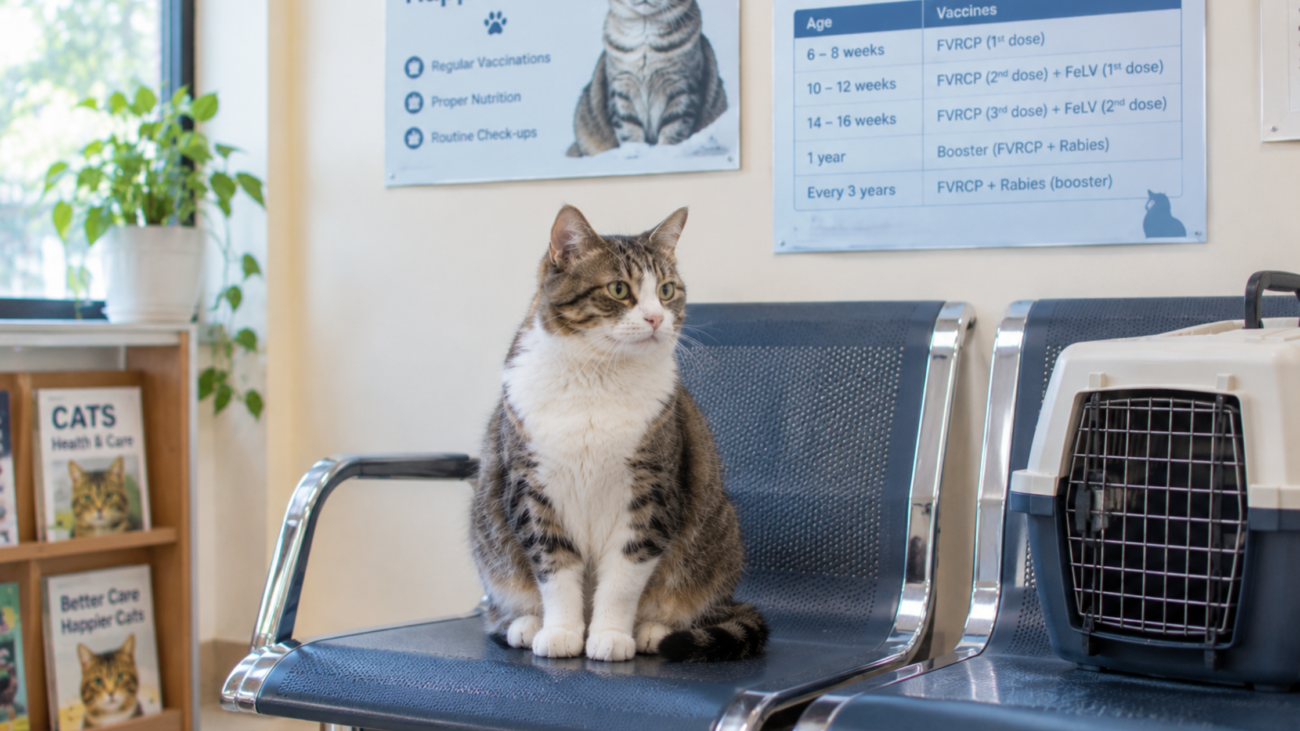
After 48 hours of your cat not eating, take your cat to the vet. However, if your cat is vomiting, lethargic, hiding, losing weight, has a change in litter box behavior, is experiencing trouble breathing or any other unusual behavior, take your cat to the vet as soon as possible. Kittens under 6 months of age and Senior Cats over 10 years of age should be seen by a vet within 24 hours of loss of appetite.
Can dental problems make a cat stop eating?
Dental disease is one of the most common causes of loss of appetite in cats and it is very underdiagnosed. Gingivitis, dental resorption, fractured teeth and oral lesions can be very painful for your cat and food that is wet is generally preferred to dry food. If your cat has dental disease it is best to bring it to your vet for regular check-ups every year to try and prevent the problem.
How can I prevent appetite loss in my cat?
Stick to the cat’s regular mealtimes and mix up the flavors of her regular high quality food with 2-3 flavors. Using different width and depth bowls can also prevent whisker fatigue. Cats love to eat in quiet clean areas with no distractions and they thrive on high quality protein rich foods. By feeding your cat in this way she should remain hungry for long and be generally healthy. Schedule annual wellness checks with your vet to prevent disease and to detect early any illness that may occur which can then be treated with ease before the disease reaches an advanced stage and is harder to treat.
Key Takeaways
- Many cats are not hungry enough to eat and appear to be perfectly normal until they become severely ill. Common causes for a normally active healthy cat to stop eating are stress, boredom with their cat food, dental problems or some other environmental change.
- A healthy adult cat can survive without food for 24 to 48 hours. After this time the risk of the cat developing hepatic lipidosis increases dramatically.
- Cats are secretive animals and often hide the fact that they are unwell. Even though your cat seems ‘normal’ it doesn’t mean that all is well and that your cat doesn’t have a serious illness.
- Drinking water but not eating is less of a concern than not eating or drinking at all. However, it should be monitored and addressed with your vet if it continues for a long time.
- Vomiting, lethargy, a withdraw hiding behavior, weight loss, or a change in use of litter box in addition to lack of appetite means your cat needs a vet ASAP.
- Choosing the right premium cat food made with high levels of meat and containing 100% natural ingredients will help keep your feline companion healthy and ensure they have a persistent and healthy appetite.
- Annual health checks and dental inspections are the only way to ensure that your cat is diagnosed early with any appetite-related illness.