Blog
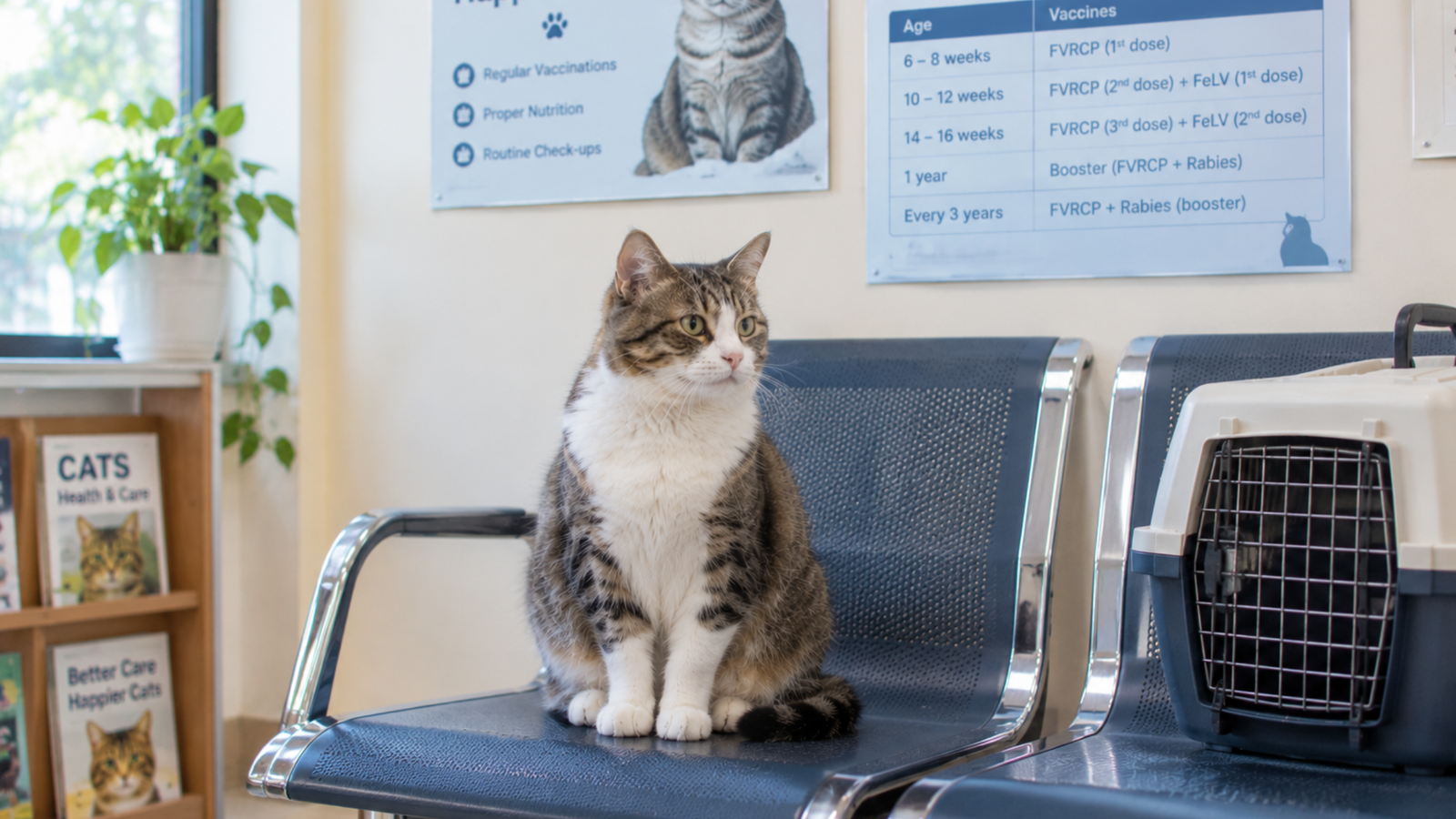
Cat Vaccination Schedule by Age: The Complete Chart

Summary Box / Key Takeaways
- The vaccination schedule for a kitten is typically as follows: The initial shots are given at 6 to 8 weeks of age, and then boosters for the different vaccines are given every 3 to 4 weeks until the kitten is about 16 weeks of age.
- Core vaccines for all cats: FVRCP (Distemper, Upper Respiratory and Rhinotracheitis) and Rabies.
- Non-core feline vaccines such as the vaccines for FeLV, Bordetella and Chlamydia felis are recommended for healthy kittens and adult cats based on the individual risk of exposure and the kitten’s or adult cat’s lifestyle (outdoor exposure, multi-cat household, etc).
- Even the strictly indoors cat is potentially exposed to a diseased animal or situation through an open window, a temporarily ajar door or through animals and people visiting the home. This is also true for all situations at the veterinarian’s office where there are other animals and people. Therefore all cats need core vaccines.
- For adult cats the boosters for the individual vaccines are good for 1 to 3 years, depending on the specific vaccine and manufacturers product.
The feline vaccination schedule details the required vaccines for your feline throughout his life. For kittens, there are several vaccination times and for adult cats, boosters are required every year or 2 to protect your feline from serious diseases. Below is the full feline vaccination schedule, also a description of core and non-core vaccines and answers to the most frequently asked questions about feline vaccinations.
What Is a Cat Vaccination Schedule?
A cat vaccination schedule or a cat vaccination plan is a schedule of vaccinations recommended by a veterinarian for vaccination of cats. The feline vaccination schedule outlines which vaccines should be given and when they should be administered. The aim of the vaccination schedule for kittens is to allow the young kitten to develop the best possible immunity during the first months of life when the kitten is most sensitive to disease. Adult cats then require a booster vaccination on fixed time in order to guarantee a life long immunity.
The feline vaccination schedule is based on guidelines from organizations such as the American Association of Feline Practitioners (AAFP) and the World Small Animal Veterinary Association (WSAVA) and are based on decades of research in feline immunology, the prevalence of disease and the existing vaccines.
Typically a kitten starts to receive vaccinations when they are 6 to 8 weeks of age and are given the initial core vaccinations for kittens. Boosters for these core vaccinations are then given every 3 to 4 weeks until the kitten is around 16 weeks of age. This is because a kitten is born with maternal (mother’s) antibodies. These antibodies can interfere with the vaccine and the kitten’s body will not make sufficient numbers of its own antibodies to fight disease. As the maternal antibodies decline the kitten’s immune system is then able to start to make its own antibodies to protect the kitten from certain diseases.
For adult cats it is normally recommended that they have a boosters of the core vaccines when they are 1 year old. Depending on the product used and the level of risk for certain diseases then further boosters may be needed yearly or every 3 years.
Why Are Vaccinations Important for Cats?
Cat vaccinations protect against serious diseases that are very easily spread to other cats and are even airborne, transmitted by contact with inanimate objects that have come into contact with the virus, and can even contaminate the environment where your cat lives. Your cat’s immune system is induced to protect your cat against specific diseases should they be to come into contact with them in the future. This contact can occur before your cat has even been exposed to the virus naturally.
Unprotected cats are susceptible to serious disease. Feline panleukopenia or feline distemper is often fatal with over 90% mortality in kittens. Other diseases such as feline calicivirus and feline herpesvirus are chronic respiratory diseases that will remain in a cat’s system for life. The only animal disease that poses a public health risk to humans and is almost always fatal is rabies.
In addition to protecting an individual cat from serious disease vaccination of cats also protects the rest of the feline population by providing them with ‘herd immunity’. In simple terms as long as enough cats in an area are vaccinated then all cats even those that cannot be vaccinated for medical reasons are protected from serious disease outbreaks.
The cost of a full vaccination for your cat against all of the diseases for which we have vaccines is a tiny fraction of the cost of treating each of the individual diseases for which we have vaccines. The best tool available to protect your cat’s long term health and to avoid the high cost and stress of emergency treatment for serious disease is vaccination.
Cat Vaccination Schedule by Age: Complete Chart
The following cat vaccination chart outlines the standard immunisation timeline from kittenhood through adulthood. This schedule follows current veterinary guidelines and applies to both indoor and outdoor cats, with non-core vaccines adjusted based on individual risk assessment.
| Age | Vaccine | Type | Notes |
| 6–8 weeks | FVRCP (1st dose) | Core | Protects against panleukopenia, calicivirus, rhinotracheitis |
| 8–10 weeks | FeLV (1st dose) | Non-Core | Recommended for all kittens; assessed at 1 year |
| 10–12 weeks | FVRCP (2nd dose) | Core | Booster to build immunity as maternal antibodies decline |
| 12 weeks | Rabies (1st dose) | Core | Legally required in many regions |
| 12–14 weeks | FeLV (2nd dose) | Non-Core | Completes initial FeLV series for kittens |
| 14–16 weeks | FVRCP (3rd dose) | Core | Final kitten booster; ensures full protection |
| 1 year | FVRCP booster | Core | First annual booster after kitten series |
| 1 year | Rabies booster | Core | Timing depends on product (1-year or 3-year vaccine) |
| Every 3 years | FVRCP | Core | Triennial booster for adult cats |
| Every 1–3 years | Rabies | Core | Frequency depends on vaccine type and local regulations |
| Annually (if at risk) | FeLV | Non-Core | For outdoor cats, multi-cat households, or cats with unknown FeLV status |
| As needed | Bordetella | Non-Core | Recommended before boarding or for cats in shelters |
| As needed | Chlamydia felis | Non-Core | For multi-cat environments with known chlamydia exposure |
Note: This chart outlines general recommendations for cats. Based upon your cat’s health, where you live, and other risks to your cat it is very likely that you will need to modify this chart in some way to provide the best protection of your cat. Your veterinarian can work with you to create a schedule of vaccinations that is right for you and your cat.
Even kittens coming from shelters have partial vaccination histories and may need to be put back to the beginning of a full series or receive additional booster shots. Your kitten’s complete medical records should accompany the kitten to the first visit with your veterinarian. Your veterinarian can review the vaccinations that your kitten has already received and will develop a plan for the remaining needed doses of vaccines for your kitten.
Understanding Core vs. Non-Core Cat Vaccines
Core cat vaccines are vaccines recommended for every cat regardless of lifestyle, location, or living arrangement. Non-core cat vaccines are administered selectively based on a cat’s individual risk factors including outdoor access, multi-cat household exposure, geographic disease prevalence, and boarding or shelter contact.
Core Vaccines
FVRCP – The FVRCP vaccine contains three separate vaccines for feline viruses. The most fatal disease to unvaccinated kittens is panleukopenia, however feline viral rhinotracheitis and calicivirus can cause chronic upper respiratory infections in cats. This vaccine is considered a required vaccine for all cats.
Rabies: The vaccine for this disease is usually a legal requirement and is given to protect against serious illness caused by the virus. Even though your cat never goes outside, he or she could escape at any time and be exposed to wild animals such as bats that could bring diseases into the home. Indoor cats should have this vaccine.
Non-Core Vaccines
Feline Leukemia Virus (FeLV) The FeLV vaccine protects cats from the feline leukemia virus, a retrovirus that in addition to making animals ill can attack the immune system of the animal. The virus can also cause cancer in cats. The FeLV vaccine is recommended for the vaccination of healthy kittens and adult cats. The risks of outdoor exposure and of contact with unknown FeLV positive cats can be reduced by vaccination.
Bordetella (Cat Cold) The Bordetella vaccine protects cats against infection with the bacteria Bordetella bronchiseptica that causes an upper respiratory infection in cats. Boarded cats, shelter cats, as well as multi cat households with lots of interaction with other cats are typically candidates for this vaccine.
Chlamydia felis The Chlamydia felis vaccine is designed to protect against the common feline pathogen Chlamydia felis (feline pneumonitis) in cats that live in multi-cat households and or are from breeding establishments and have been exposed to the above mentioned disease. Symptoms of the above disease include conjunctivitis as well as upper respiratory tract disease with symptoms of sneezing, runny eyes and or runny nose with mild coughing in affected cats.
Kitten Vaccination Timeline: Birth to One Year
Kitten vaccination starts at 6-8 weeks of age and requires a number of booster doses. The last of these booster doses is typically given when the kitten is around 16 weeks of age. This is about the time the maternal antibodies will have declined to low levels.
The maternal antibodies are part of a kitten’s early life immune system. They are passed to the kittens in their mother’s milk and decline at a gradual rate starting at about 6 weeks of age. By the time the maternal antibodies have declined to a level that no longer interfere with the effectiveness of vaccines, the kitten’s immune system has developed sufficiently to mount a strong immune response to the vaccine by the time of the next dose, which is administered at 3 to 4 week intervals.
Typically the first FVRCP vaccine is given to kittens around 6-8 weeks of life, followed by a 2nd dose around 10-12 weeks of life and a 3rd dose around 14-16 weeks of life. The 1st dose of rabies vaccine is typically given between 12 weeks of life and as required by local law. The FeLV vaccine is recommended as a 2-dose series for all kittens, with the 1st dose typically given around 8-10 weeks of life.
Once your kitten has completed the course of vaccinations for a kitten, they will need a vaccination booster as a young adult 1 year after the last vaccine for the first adult booster. If this booster is not given then a gap in immunity will have occurred and your young cat could be exposed to some preventable diseases.
Vaccination Schedule for Adult Cats
As adult cats, they require vaccines given on a maintenance or booster schedule in order to keep the cat protected for life with the immunity that was given to the kitten during the initial series of vaccinations. The amount of time to give boosters between is determined by the brand of vaccine given, the exposure of the cats to diseases and the current guidelines of that veterinarians’.
FVRCP boosters should be given to adult cats every 3 years when the one-year booster was given for kitten. The boosters for adult cats on a maintenance program are given every 3 years, based on the immunological characteristics of the vaccines and the duration of immunity that most cats have from being vaccinated with FVRCP vaccine.
The Rabies boosters for dogs and cats are typically given on a one year or three year schedule, depending on the vaccine used and the state or province laws. Your veterinarian will inform you of the schedule of the specific vaccine that your pet received and when the next booster is due.
Adult cats with ongoing exposure risk (outdoor cats, multi cat households, etc) should receive annual rabies vaccine. Adult, indoor cats with no risk of exposure should receive rabies vaccine as part of the kitten series and then no longer.
Senior cats, even at age 10 and beyond, need to receive all of the core vaccines on time. In general, as a senior cat gets older, you might assume that your senior feline no longer needs the vaccines to which they were previously protected; however, just as with human patients of advanced age, age alone is not sufficient to decrease protection needed by senior cats and thus they all should receive all scheduled vaccines. Many veterinarians recommend a blood titre test to determine the current level of protection afforded by your senior feline and to help decide whether or not to give a booster vaccine.
Do Indoor Cats Need Vaccinations?
Indoor cats still need core vaccinations. Even exclusively indoor cats can contract diseases as there are many ways that they can be exposed to infectious agents that they have not been vaccinated against. Many people believe that indoor cats never get any diseases, and this is considered to be a feline healthcare myth.
Indoor cats can be exposed to disease causing infectious agents in a number of unexpected situations. Bats and rodents can easily find their way into homes of all kinds, carrying with them diseases such as rabies. On occasion, an indoor cat may have a brief outside foray, and encounter a wild animal with rabies or another serious disease, or come into contact with an unvaccinated, feral or stray neighborhood cat. Every time that anyone with animals goes into another’s home, or goes for a walk outside, they can pick up distemper and other viruses on their feet, clothing and other areas of their bodies and bring them to another home and cause serious illness in the cats there. Especially of concern are guests visiting homes with cats.
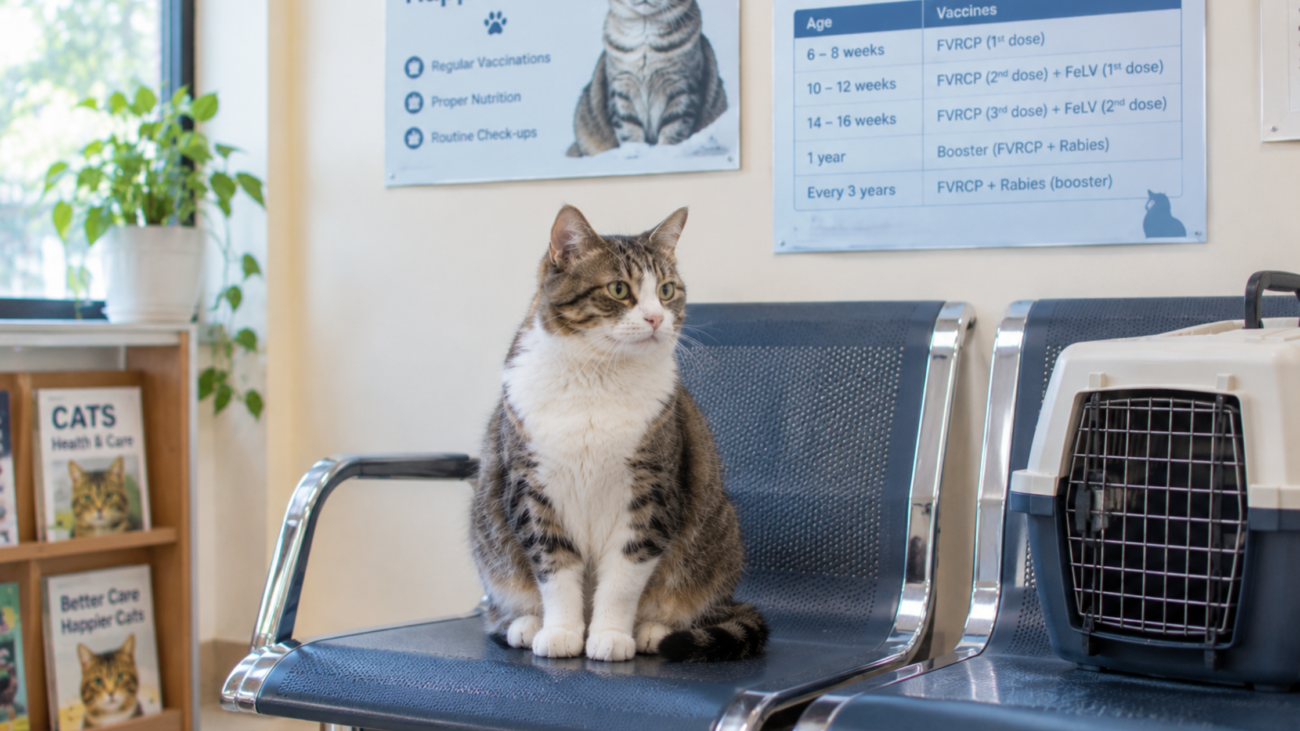
In addition to the risk of contact with animals outside of the home, many cats that spend most of their time indoors are also at risk in veterinary waiting rooms where they come into contact with other animals that may be carrying disease.
Indoor cats need FVRCP and rabies vaccines. Indoor kittens receive a full FeLV vaccination course in the first year of life. After the initial kitten series, the need for FeLV boosters are determined by the potential exposure to FeLV positive animals and considered non-core vaccines. Your veterinarian will determine if any of the non-core vaccines are needed for your indoor cat based on their lifestyle. The cost and time of giving these vaccines is very minimal when compared to the treatment and suffering of a preventable disease contracted by an unexpected exposure event.
The cost and effort to keep your indoor cat up-to-date with all the required and recommended vaccines is less than the cost of treating and pain of any unexpected and preventable disease.
What Happens During a Cat Vaccination Appointment?
A typical vaccination appointment for a cat includes a health check and the administration of required vaccine(s). We allow 15-30 minutes for these appointments in order to complete a full health check on your cat and administer any required vaccines.
As your cat’s vaccinations are being given the veterinarian will carry out a physical examination of your cat this will involve recording your cat’s current weight and also recording their temperature as well as their heart rate and respiratory rate. The veterinarian will also examine your cat’s eyes and ears and carry out an oral examination of the mouth. The skin, coat and abdomen will also be examined; many serious health problems currently are presenting with no obvious outward signs of illness and are discovered by the veterinarian during your cat’s health assessment.
After the physical examination of your feline(s) the Veterinarian will check for any needed vaccinations and administer the appropriate vaccinations. The most common route of vaccination in felines is by subcutaneous injection. There are a number of sites on a cat that are typical for the administration of certain vaccines, and currently there are a few variations of typical sites, and preferred sites for certain vaccines.
The veterinarian will discuss any health issues your cat may have and answer any questions or concerns that you as the owner may have. Questions can be answered regarding your cat’s diet, behavior, etc. and also any parasite control that your cat may need. The owner and veterinarian will schedule the cat’s next visit and the owner will be given the cat’s vaccination record. This record will list all the vaccines your cat has received as well as the date of vaccination, the lot number of the vaccine, and the date of the next vaccination for each vaccine.
Common Side Effects After Cat Vaccination
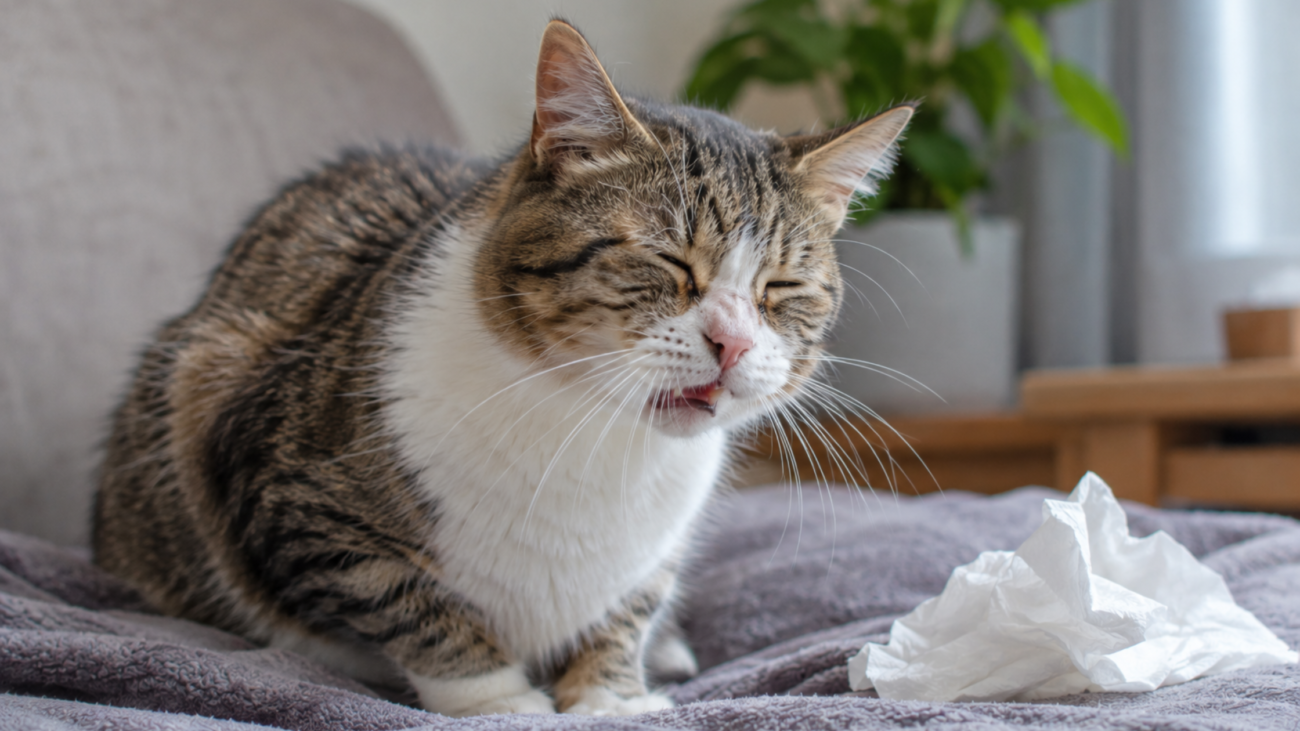
Most cats experience mild, short-lived side effects after vaccination that resolve without treatment within 24 to 48 hours. These reactions are normal signs that the immune system is responding to the vaccine and building protective immunity.
Common mild side effects include:
- Slight lethargy or reduced activity for 12 to 24 hours
- Mild decrease in appetite lasting up to one day
- Low-grade fever
- Minor swelling or tenderness at the injection site
- Mild sneezing after intranasal vaccines
These reactions require no medical intervention. Providing a warm, quiet resting area and ensuring fresh water is available supports comfortable recovery.
There are some very rare but very serious problems that can arise as a result of vaccination. These problems require immediate attention and can be life threatening. Anaphylaxis is a severe allergic reaction to a vaccine. Symptoms are facial swelling/hives, difficulty in breathing, vomiting/diarrhea and collapse. These reactions typically occur within minutes to hours after the injection. Your cat will need to be monitored for a few hours after the vaccine injection for signs of anaphylaxis.
Although rare some tumors can develop at the site of vaccination. These are called injection-site sarcomas and have been shown to be associated with both the location of the vaccine injection and the volume of the vaccine used. Current veterinary practice is to give all vaccines on the limbs rather than on the back between the shoulders in order to facilitate as easy a removal as possible of any tumor that may develop. Your cat’s owner should contact a vet if they notice a persistent lump at the site of previous vaccination after three months have passed, the lump is greater than 2cm in diameter or is growing one month after vaccination.
What Happens If Your Cat Misses a Vaccine?
It is generally not necessary to start over completely with a full series of vaccine injections for a cat who has missed one or more scheduled vaccine(s). Instead, the vaccine schedule for a kitten can continue from where they left off with the injection(s) of vaccine(s) that were missed being resynchronized for appropriate time spacing with the remaining scheduled vaccine(s) for that kitten.
Missing dose(s) for kittens: Missing a dose such as FelV at 12 weeks means give that as soon as possible and then give the rest of the doses at the typical 3 to 4 week intervals. The last dose for kittens should be given at or after 16 weeks of age to give enough time for maternal antibody interference with vaccine-protected lifelong immunity to wane.
For adult cats, if a booster is missed, typically a single dose of the booster would be recommended by a veterinary clinic to complete the vaccination series for that vaccine. The amount of time that the booster was late can determine the vaccination protocol to bring a healthy adult cat up-to-date on vaccines. For example, a healthy adult cat who was only a few months late for a booster for any vaccine would likely only need a single dose for a booster for that vaccine. However, a healthy adult cat who has not had recent vaccination would likely require a 2-dose restart series given 3 to 4 weeks apart to allow for a complete immune response.
The most important thing to do is ring up and book a consultation with your vet as soon as you remember that you haven’t had your cat’s vaccines up to date. Although the overdue booster will have left your cat temporarily vulnerable to serious disease, it is a simple matter for your vet to bring your cat’s vaccines up to date. Your vet won’t scold you about late booster shots – they’ll just need to bring your cat’s vaccines up to date.
Tips for Preparing Your Cat for Vaccination
Preparing your cat for his or her next vaccination appointment in advance will help reduce stress for both you and your cat and contribute to a positive veterinary visit.
Using a familiar, comfortable carrier is key to getting your cat to the vet safely and with minimal stress. Place the carrier in the room where your cat spends most time a few days before the scheduled appointment. Add a familiar blanket, or even some of your own worn clothing for her to smell.
Calm your cat down for the car journey to the vet by covering the top of the carrier with a light blanket to block the view outside. Try to avoid loud music and abrupt turns and brakes whilst driving. Speak to your cat in a calm and steady voice throughout your journey.
Can I have a copy of your cat’s vaccination records please to bring along to the appointment. This will allow the vet to have a full up to date immunization history for your cat and know which vaccinations are due.
Schedule the time of your cat’s visit for less busy times in the clinic. This will help reduce stress for your cat as there will be fewer animals in the waiting room. Some clinics book out whole time slots for solo cats and have separate waiting areas for feline patients.
After visiting the vet with your cat make sure they have a safe, quiet, warm environment for some hours after (usually 12-24 hours for the effects to wear off for that vaccine) and be aware of any side effects, contact the vet if they continue after 48 hours or become severe.
How Nutrition Supports a Healthy Immune System
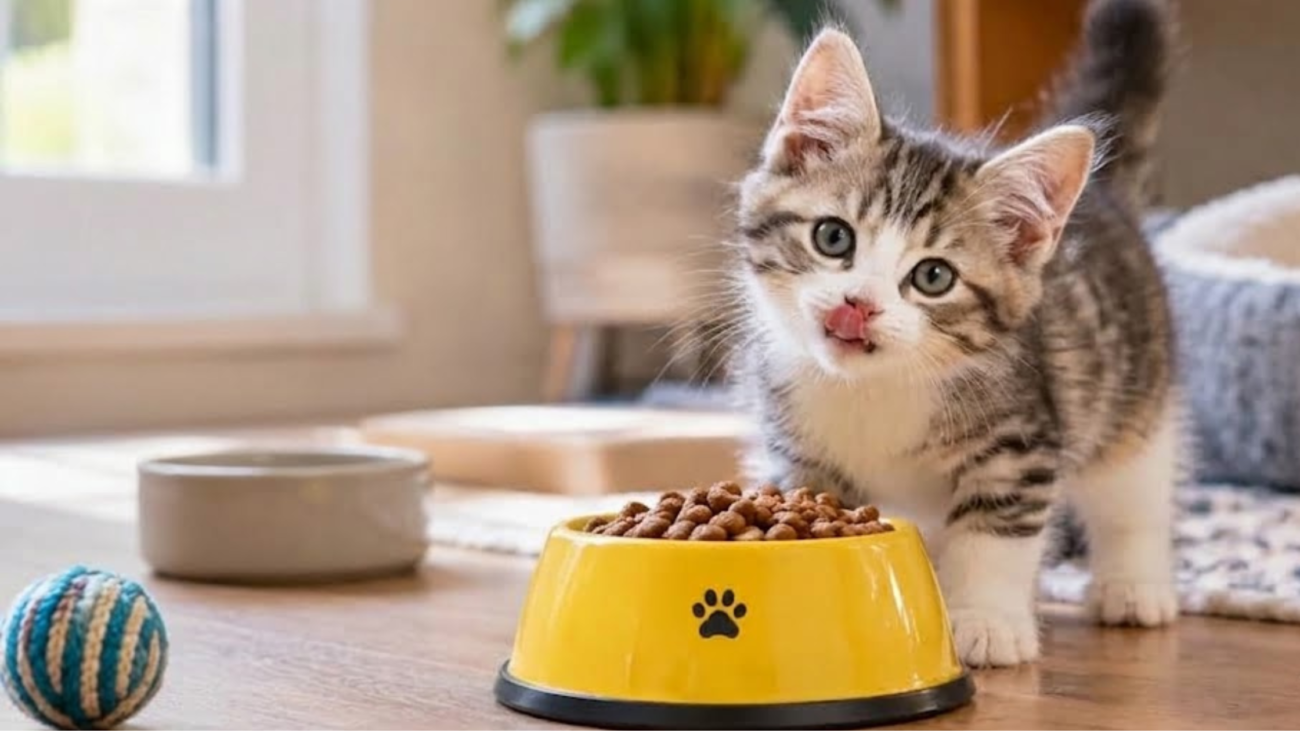
Nutrition for cats of the premium standard supports the immune system which vaccines are trying to activate. The animals’ immune reaction when given vaccines is significantly influenced by their nutrition. Therefore, in particular a sufficient supply of protein and of essential amino acids as well as of vitamins and of minerals, which are required for the production of antibodies and for the activity of immune cells, is important.
Cats are obligate carnivores, which means their immune system functions best on a diet of premium, high quality nutritionally complete and balanced animal-based protein sources. These diets will ensure that your cat has just the right amount of the essential amino acids such as taurine, arginine and lysine needed to support the growth and function of his or her immune cells and to make antibodies to fight disease. In the absence of these essential amino acids in your cat’s diet can lead to less than optimal immune response to vaccine as well as slow recovery from illness.
Essential fats, such as the Omega-3s found in premium cat food, actively support the immune system in a healthy active body. Chronic inflammation can interfere with the immune system and healthy immune function and essential fats are also capable of reducing chronic inflammation. Antioxidants such as Vitamin E and Selenium work to protect the immune cells from oxidative damage. Finally, zinc is able to mature the immune cells, thus equipping them to deal with pathogens.
TAFFUZO Premium Cat Food is well balanced and complete for the immune system of your cat. TAFFUZO Premium has been formulated with the complete nutritional requirements of your cat in mind. With a high meat content it ensures that the protein and essential amino acids are bioavailable. The well balanced and complete micronutrients in TAFFUZO Premium support the immune system so that the vaccine can be effective. By feeding your cat a biologically appropriate, nutrient-dense diet they will have the best possible immune system to fight disease as your cat grows and ages.
Conclusion
Protect your young cat from the diseases that can kill them before they even reach old age in feline preventive health care. Give your kitten complete vaccination in the form of a full series of kitten boosters started at 6-8 weeks of age. Core vaccinations will protect all cats whether they are indoors or outdoors, and continue to give the best protection as the kitten matures into adult. Continue to give vaccinations on a 1 to 3 year cycle as part of your cat’s adult health boosters. The strongest defense against preventable preventable diseases is continued vaccination in conjunction with scheduled wellness exams by your veterinarian, and a premium, immune-supporting cat food.
Frequently Asked Questions
What is the recommended cat vaccination schedule by age?
Kittens receive the first FVRCP vaccine between 6-8 weeks of age and receive booster shots for FVRCP every 3-4 weeks until they are 16 weeks of age. The Rabies vaccine is given to kittens at 12 weeks of age. Adult cats require boosters for Rabies every 1-3 years.
At what age should kittens receive their first vaccination?
The first FVRCP vaccine is usually given to kittens at 6 to 8 weeks of age. The kitten then receives booster shots for FVRCP every 3 to 4 weeks until the kitten is 16 weeks of age. The first rabies vaccine is given when the kitten is 12 weeks of age. Adult cats need booster shots for FVRCP every 1 to 3 years.
Which vaccines are considered core vaccines for cats?
The two core feline vaccines are the FVRCP vaccine and the rabies vaccine. These two vaccines are recommended for all cats regardless of whether they are indoor or outdoor animals.
Do indoor cats really need vaccinations?
Yes. Even Indoor cats are at risk for these diseases. These can happen by an indoor cat escaping through an open door, by animals visiting your home, by animals from other homes visiting your home, by bats in homes, by a trip to a veterinarian’s clinic, etc. Indoor cats are covered by core vaccines – FVRCP and rabies.
How often do adult cats need booster shots?
For adult cats, the FVRCP vaccine protects for life but boosters are recommended every 3 years. The rabies vaccine also protects for life but the length of time that is granted depends on the vaccine product. Typically boosters are recommended every 1 to 3 years. FeLV vaccine will need to be given annually for at risk cats.
What happens if my cat misses a scheduled vaccination?
Don’t worry, no need to start from scratch! Your vet can continue where you left off with any missing vaccinations and some even require 2 doses given 3-4 weeks apart for cats that are a few years late in their vaccinations.
Are cat vaccines safe?
Yes. As with any vaccine, all vaccines are not tested for safety as much as we would like, but all of the standard vaccines used for cats have a very good safety record. Very few animals experience any reaction to vaccines, and the reactions are usually mild and only of short duration. Rarely a severe reaction can occur, but such cases are extremely rare.
What are the common side effects after cat vaccination?
Common side effects of vaccinations in cats are lethargy, decreased appetite, a fever of a few days, and swelling at the site of the injection. Most of these reactions are temporary and require no treatment. Most side effects will subside within 24 to 48 hours.
Does every cat need the FeLV vaccine?
Kittens need all their shots for FeLV, as do adult cats that require boosters for FeLV depending on individual circumstances such as outdoor exposure, multi cat households and contact with other cats whose FeLV status is unknown.
How can I keep track of my cat’s vaccination schedule?
It is a good idea to keep a copy of your cat’s records at home. Some veterinary clinics send out reminders when boosters are due for your pets and others even add your pet’s records to a pet health app so you can receive reminders of upcoming vaccination dates for your cat.
Key Takeaways
- Vaccination of kittens is first given between 6-8 weeks of life and then given booster shots every 3-4 weeks until the kitten is 16 weeks old.
- These vaccines are referred to as core vaccines: FVRCP (distemper) and rabies. Core vaccines are given to all cats whether they are indoor-outdoor or strictly indoor as they have the potential to escape at any time. While indoors they are protected from outdoor dangers such
- Non-core vaccines (FeLV, Bordetella and Chlamydia felis) are given based on the individual cat’s risk of exposure to these diseases.
- Even indoor cats should receive core vaccines. If a kitten slips out of the house, is exposed to wildlife in the home, or becomes ill while at the veterinarians clinic other sick animals could have been exposed also.
- For adult cats, FVRCP should be given every 3 years, and rabies vaccine given every 1 to 3 years.
- When a kitten or adult has had past vaccinations that were not completed, they do not have to start all over again with the full series of vaccines. Your veterinarian will pick up where your kitten or adult left off with past vaccinations.
- A healthy animal on a premium diet has the best chance of having a good immune system to fight off disease, and the vaccine to protect against disease will work best in such an animal.