Blog
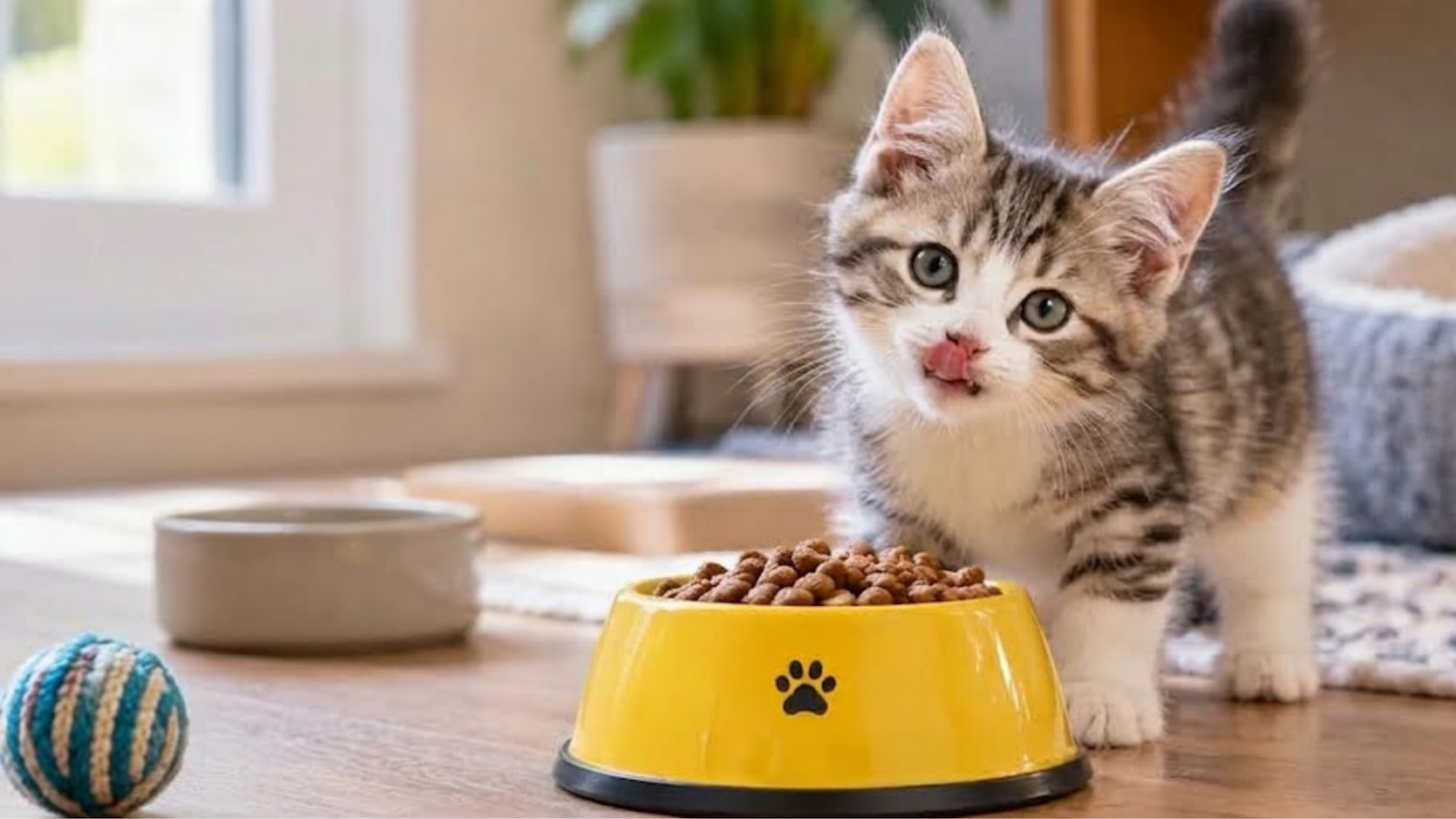
Top 10 Kitten Food for Healthy Weight Gain

Summary Box / Key Takeaways
- The best food for underweight kittens is high in calories, protein and fat. Typical numbers for growing kittens are 30% or more animal protein and 20% or more fat for weight gain.
- The best kitten food for weight gain are those foods that deliver calories to the kitten from high quality animal protein and healthy fats. These foods would not include a large amount of fillers made of grain.
- Kittens under 6 months should be fed 3-4 meals per day. Kittens over 6 months old up to 12 months old should be fed 2-3 meals per day.
- Wet food has more moisture than dry food, so it makes better calories for underweight kittens to eat. Dry food on the other hand makes good calories for weight gain as well as having dental benefits for your kitten.
- If a kitten is not gaining weight on a sufficient amount of food then they should have a complete physical examination by a veterinarian to determine if they have internal parasites, an infection, or a metabolic problem.
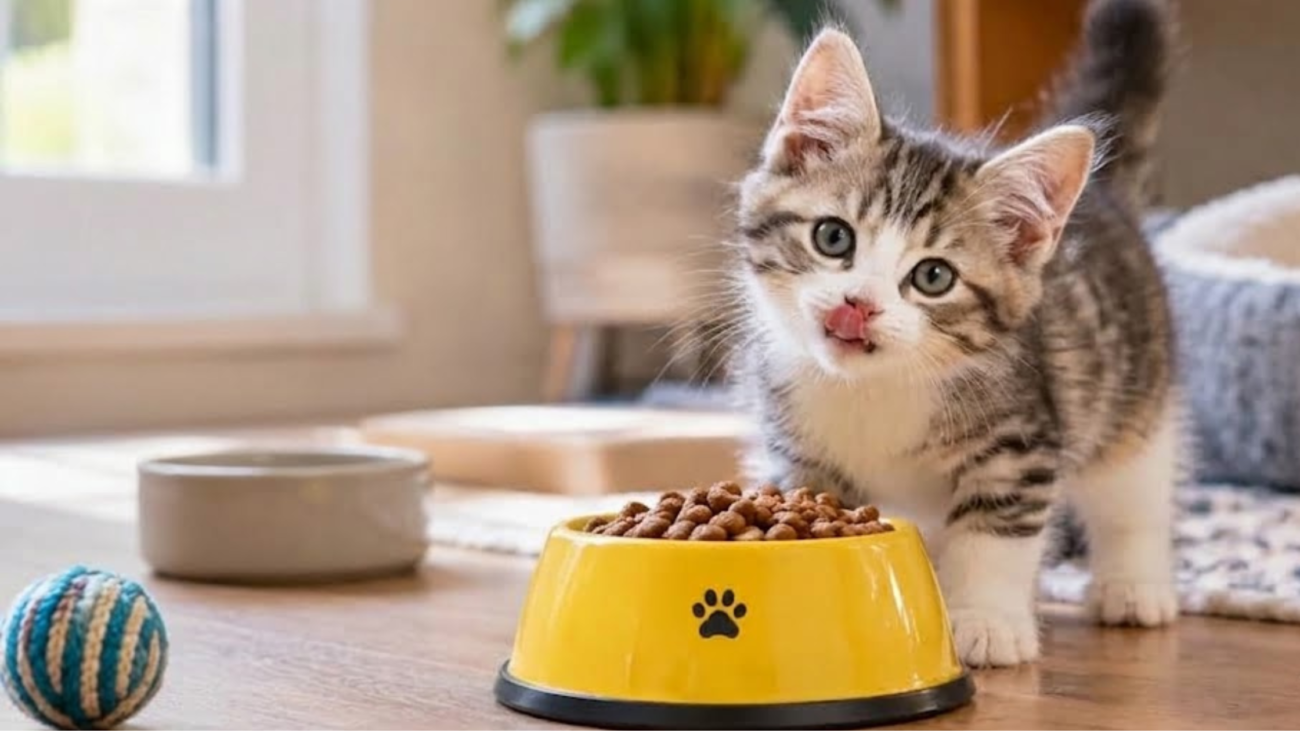
When looking for healthy weight gain food for kittens, kitten food for healthy weight gain must provide the high-calorie, very nutrient-dense diet that growing kittens require for healthy weight gain to sustain their fast growth during the first 12 months of life. Even when kittens only weigh 8 pounds or so, they are growing at such a rate that they can gain body mass, get muscle, increase bone density, and develop their organs will develop all simultaneously. The particular food that a kitten gets during these critical growing months will determine the full genetic potential for size and energy of that kitten for life. Below are the top ten kitten food types for healthy weight gain, an explanation of the nutrients kittens need as they grow, and a full feeding schedule for healthy weight gain by the age of the kittens.
Why Healthy Weight Gain Matters for Kittens
Why weight gain is so important for your kitten! Healthy weight gain during the early life of your kitten is important for the growth and development of the skeleton, to build muscle, to develop organs and to make a strong immune system to fight diseases. If a kitten does not gain enough weight, the young animal can suffer from serious health problems during the life of the kitten and also suffer from late effects of illness or disease.
A healthy kitten will continue to gain weight throughout its first year of life, typically growing at a rate of 100 grams per week in the early growth phase. In order for a kitten to grow and reach its full potential for bone growth and adult muscle mass, it needs to be consuming the correct amount of calories and nutrients to allow it to thrive. If calories are withheld, the kitten will be placed in a state of survival and will stop growing to reach its full potential. This will cause stunted bone growth, and potentially lead to a kitten with less adult muscle mass than it could have had.
In addition, underweight kittens are more prone to disease. As their immune system matures, it requires a lot of energy and amino acids. If a kitten is not gaining weight adequately then it is unlikely to have enough nutrients to fight off typical feline diseases.
The objective of healthy weight gain in kittens is to promote lean growth and allow for kittens to grow proportionately with healthy skeletal growth. This can be achieved by feeding a protein-rich, high-calorie kitten food as opposed to a carbohydrate-rich food.
How to Know If Your Kitten Is Underweight
An underweight kitten Identifying an underweight kitten is simple to recognize. The underweight kitten can be identified through obvious physical characteristics that the pet owner can recognize during a body condition evaluation. The owner can evaluate the kitten at home and make changes to the kitten’s diet prior to serious complications from the weight deficit affecting the kitten’s development.
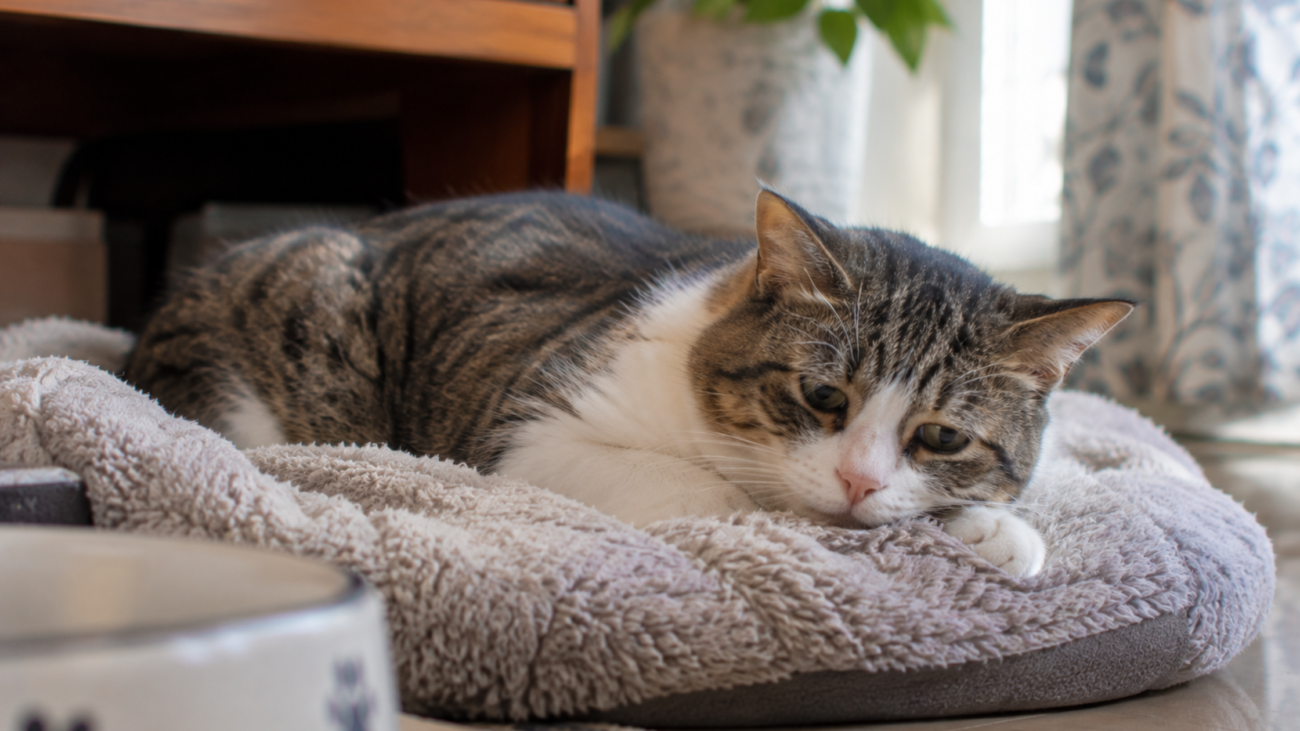
Visible ribs: The prominent ribs in this photo of an underweight kitten are visible from above. Normally even healthy kittens have visible ribs but they are not as prominent as they are in this photograph.
Prominent spine and hip bones:A spine ridge or prominent hip bones are visible on an underweight kitten. Normally, the kitten’s spine and hip bones are covered with a thin layer of fat and muscle on top of the bony structures.
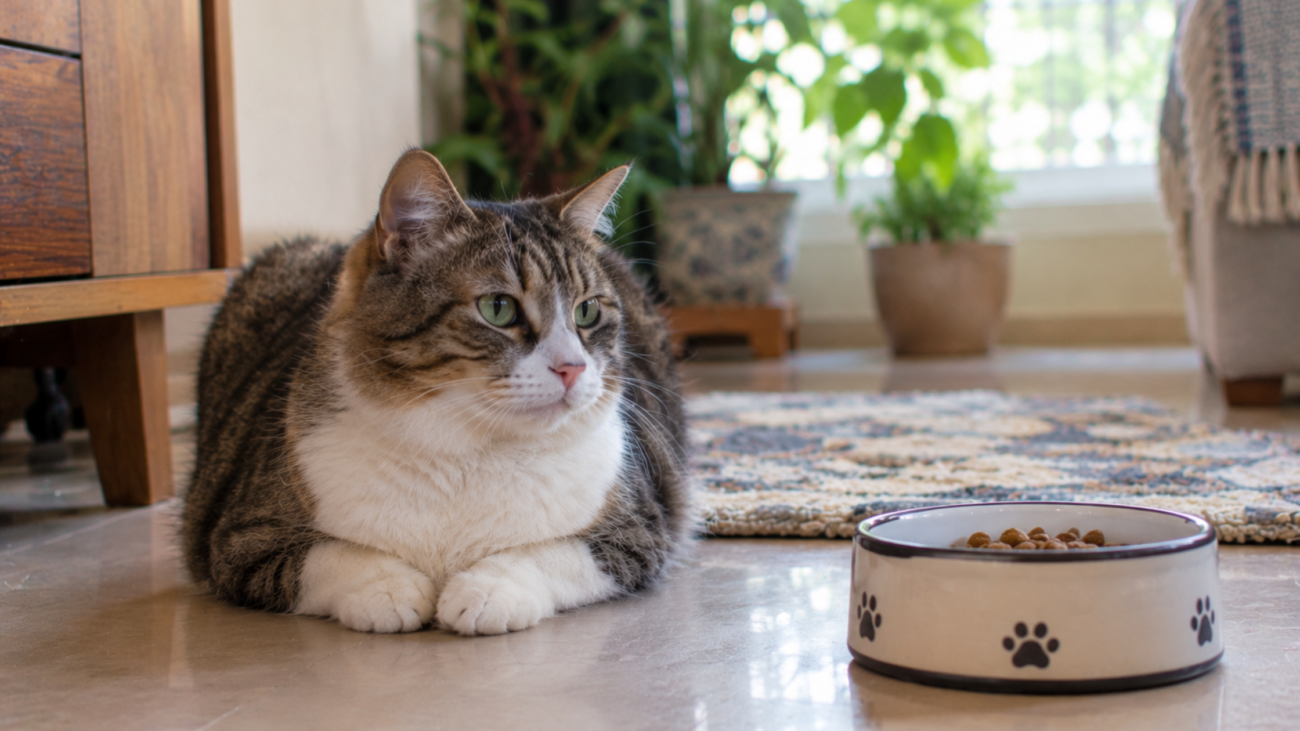
Narrow waist with an exaggerated tuck: Normally there is a very slight tucking of the kittens waist in behind their ribcage. However if they have an over defined tuck of their belly into their pelvis when viewed from the side they are on too low of a plane of nutrition for their body.
Low energy or reduced playfulness:Lack of energy / reduced playfulness: Normally kittens are full of energy and want to play a lot. A kitten that is less than normal, sleeping a lot and not playing anymore could be calorie deficient.
To most accurately track your kitten’s weight, use a kitchen scale or small pet scale and weigh your kitten regularly. Kittens that are not gaining 50 to 100 grams per week by the time they are 6 months old could have parasites, an infection or serious underlying health problems and should be evaluated by your veterinarian.
Nutrients Every Growing Kitten Needs
Growing kittenshave specific needs when it comes to nutrients. They require a higher concentration of certain nutrients than adult cats. Most of these nutrients are found in higher concentrations in kitten food as opposed to adult food.
Animal-Based Protein Animal-based proteins are the number one nutrient for growing kittens. The most desirable protein sources are animal-based, such as chicken, turkey, fish, etc. The food should contain a minimum of 30% protein to meet the demands for growth. High quality protein sources, such as chicken, contain all of the essential amino acids, which the cat’s cannot produce on their own. Some of these amino acids are used for building muscles, while others are used for production of organs and of immune system cells. Taurine, arginine, and lysine are three such examples. The highest quality protein sources contain all of these amino acids.
Fat Fat is the most calorie-dense of the three macronutrients and supplies more than double the calories per gram than are found in protein or in carbohydrates. As a result, the minimum inclusion level of fat in a commercial kitten food is 20% of the total nutrient content, in order to satisfy the kitten’s high energy requirements. In addition to providing energy, fat also supplies the growing brain with the nutrients it needs, and aids in the absorption and utilization of the fat-soluble vitamins A, D, E and K.
DHA (Docosahexaenoic Acid) DHAis a vital omega-3 fatty acid for brain and vision development in kittens. DHA is found in the majority of commercial kitten foods and is added in the form of fish oil and guaranteed through 12 months.
Calcium and Phosphorus Minerals such as calcium and phosphorus are essential for healthy bones and teeth. For these to grow properly, the amount of calcium and phosphorus must be in a correct balance. In even higher amounts than required for a correct balance, calcium can have very serious and long lasting negative effects on a growing kitten, potentially leading to structural problems in the skeleton.
Vitamins A, D, and E A. Vision- immune system- antioxidant functions for the three baby fat soluble vitamins. A- normal vision, D- calcium absorption, E- antioxidants to protect growing cells.
Top 10 Kitten Foods for Healthy Weight Gain
Choosing the right kitten food for weight gain involves reviewing the levels of protein, fat, in addition to other ingredients and calories found within the food. Here at Pet Food Arena we have put together a list of the best ten weight gain kitten foods on the market for kittens of all ages that encourage health weight gain in kittens and ensure they are receiving all of the nutrients required to ensure healthy growth and development.
1. High-Protein Chicken Recipe Kitten Food
The majority of high-protein chicken kitten foods contain lean and easily digestible animal protein from whole chicken or de-boned chicken. These foods contain all of the essential amino acids that your kitten needs for muscle growth, as well as for the growth and development of all of the organs. The amount of protein in most of these kitten foods range from 36% to 40%, and these foods are perfect for overweight kittens who need to eat in order to gain weight in a healthy manner.
2. Salmon & Ocean Fish Kitten Formula
Salmon and ocean fish are among the most nutritious of ingredients for a kitten formula. They provide the highest quality protein to feed the kitten as well as DHA and EPA, two important omega-3 fatty acids. The DHA and EPA aid in the development of the kitten’s brain as well as its vision. Overall health is also enhanced, and the skin and coat are healthy as well. Many kittens as well as adult cats are very picky eaters. However, they cannot get enough of the strong aroma and taste of a fish-based kitten formula. In fact, some kittens and even adult cats that are picky eaters and refuse to eat any of the highest quality of nutritionally complete kitten formulas will still eat a fish-based kitten formula. This is because of the strong natural smell and taste of the salmon and ocean fish.
3. Grain-Free Kitten Growth Formula
Grain-free kitten food In lieu of wheat, corn, and soy, grain-free kitten food includes animal-based protein and alternative sources of carbohydrates, for example, sweet potatoes and fresh peas. A grain-free formula is mostly comprised of calories from protein and fat as found in nature and in accordance with the feline’s natural biological requirements as an obligate carnivore. Kittens with grain sensitivities may experience various digestive problems and also suffer from impaired absorption of nutrients, when fed with a formula that contains grains.
4. Wet Kitten Food with Real Chicken
Wet kitten food In lieu of wheat, corn, and soy, grain-free kitten food includes animal-based protein and alternative sources of carbohydrates, for example, sweet potatoes and fresh peas. A grain-free formula is mostly comprised of calories from protein and fat as found in nature and in accordance with the feline’s natural biological requirements as an obligate carnivore. Kittens with grain sensitivities may experience various digestive problems and also suffer from impaired absorption of nutrients, when fed with a formula that contains grains.
5. Dry Kitten Food Rich in DHA
DHA-enriched dry kitten food is not only full of calories for overweight kittens to lose weight, but it also contains brain power building omega-3 fatty acids. Because dry food has more calories per gram than wet food it is very important to make sure you are feeding the correct amount of kibble. There are many DHA fortified dry kitten foods on the market today, and when choosing one make sure the first ingredient is of high quality animal protein, and that the protein level is above 35% for optimum growth and development. These formulas also make great mild dental care for kittens over 8 weeks of age, because they are designed to be chewed, and will help to reduce the amount of plaque on your kitten’s teeth, especially during teething.
6. Kitten Food with Added Probiotics
Probiotic-enriched kitten food Probiotics are added to our probiotic-enriched kitten food to promote digestive efficiency. The gut flora is essential for the full digestion and absorption of the nutrients in the food, thus all of the nutrients are being used by the kitten to promote growth and weight gain. For kittens with sensitive stomachs, that have been on antibiotics, or that have irregular bowel movements, the probiotics in our kitten food can be very beneficial. As more of the nutrients are being digested and put to use by the body, more calories and amino acids are being put on the kitten’s body resulting in greater weight gain.
7. High-Calorie Veterinary Diet (When Recommended)
High-calorie veterinary diets A prescription or Veterinary Grade diet that contains very high amounts of calories to aide in the weight gain of underweight kittens. These very nutrient dense foods contain highly digestible forms of protein and fat to ensure all of the calories are being used by the kitten and not lost in stool. These are to be used for a short period of time and under the guidance of a Veterinarian. Once the kittens have achieved a healthy weight, they should return to a normal grade of food and continue to receive it to ensure they maintain the weight they have gained.
8. Turkey & Duck Recipe for Active Kittens
Turkey and duck kitten food turkey and duck are novel high quality protein sources for active kittens. The combination of Turkey (lean protein) and Duck in this active kitten recipe makes for a very digestible food that will keep your kitten satisfied and healthy. This novel protein recipe is also ideal for kittens with a chicken sensitivity. The fat from the Duck also adds calories to the recipe to support weight gain in active play.
9. Indoor Kitten Growth Formula
Indoor kitten formulas are created for totally indoor kittens that don’t have enough physical activity to support adequate weight gain with excess fat. Fiber is added to Indoor kitten formulas for digestion and to prevent hairballs. These formulas have kittens’ propensity to groom all the time in mind and hairballs are common in such kittens. The protein to fat ratio is also just right for optimum energy for indoor kittens.
10. Premium All-Life-Stage Formula Suitable for Kittens (Where Appropriate)
For growth of kittens to aid in weight gain, an all-life-stage formula which contains the levels of nutrients necessary for growth and for reproduction as stated by AAFCO can be used. All-life-stage formulas are marketed for use on all life stages of cats and are also suitable for use on adult cats. As with any product, however, there are advantages to using a product which is specifically formulated for the kittens in your household – in this case, a kitten formula which contains the highest level of nutrients for their growth. However, if you have multiple cats in your household and you are to use only one product on them all, then an all-life-stage formula is available which also meets the needs of growth for kittens, as long as the label states that it does.
Wet Food vs. Dry Food: Which Is Better for Weight Gain?
When your kitten is underweight and needs to put on weight, or if your kitten is within normal weight but needs to put on a bit of padding, then both wet and dry kitten foods can be effective for weight gain and each has their own advantages to support your kitten at different stages of life.
Wet kitten food contains a high percentage of moisture, typically between 70 – 80%. This moisture is essential to keeping your kitten hydrated and healthy, as well as to supply them with all the nutrients they need to grow. A soft food like this is perfect for young kittens of weaning age, as well as older kittens who may be suffering from dental problems. Underweight kittens need to be fed quickly in order to gain weight, and wet food is ideal in this case. Wet kitten food has a very strong aroma and highly palatable flavors that most kittens cannot resist, much stronger than that of dry food. However, as a result of the high moisture, there are fewer calories per gram than in dry food, so your kitten will need to eat more of it in order to feel full.
Kibble (dry food) is more calorie-dense than wet food on a gram by gram basis. This means that it is easier to work out the correct amount of food for your kitten on a kibble only diet and it is also more cost effective. The kibble also has very mild dental benefits due to the mechanical action of chewing. Kibble has a very long shelf life after it has been opened (up to and beyond 6 months) and so it is perfect for free-feeding throughout the day as long as fresh water is always available to your kitten. Kibble does not, however, contain enough moisture for a kitten on its own and so they must always have access to fresh water.
Mixed feeding is the most successful way to make your cat gain weight. Mixing wet and dry food at mealtimes has the best attributes of both. Separate meals of wet and dry are offered, and dry is left out free choice for the rest of the day. A common mix is 75% wet food and 25% dry food for the morning and evening meals, with dry food left out all day.
Kitten Feeding Schedule by Age
As the kitten grows, the frequency of the meals will decrease in the course of time, until the kitten is eating according to a schedule by the time it is a year old. Here is a sample-feeding schedule for a growing kitten, based on current veterinary-feeding guidelines for kittens.
3 to 4 weeks: Weaning begins. We offer a kitten milk replacer (KMR) mixed with softened wet kitten food to make a gruel-like consistency. We offer free choice to nursing kittens 4 to 5 times a day in shallow dishes. As weaning occurs we begin to supplement with solid food as the kittens show interest.
4 to 8 weeks – Gradually increase the density of the weaning food by decreasing the amount of milk replader to softened wet food. By 6 to 8 weeks of age, most kittens are weaned and can be fed softened wet food, or even moistened dry food. Feed 4 meals per day.
2 to 4 months – Feed a high quality kitten wet food, dry food or a mix of both 3 to 4 times per day, increasing amount as the kitten grows. Follow the feeding guide on your kitten food packaging to give your kitten the right amount of food to help them reach the correct weight.
4 to 6 months: Feeding 3 meals a day. In this very rapid growth phase of kitten development, the kitten will go through periods of excessive eating. Therefore, during these growth periods, the amount of food that they require will increase.
6 to 12 months: The little furballs are still growing rapidly but the growth rate slows down from time to time. So during the growth spurts the kittens might have a short time of eating a little more than usual for their body weight, but generally the amount of calories needed for the kittens’ growth in relation to their body weight will be decreasing during these months. To check for a healthy weight gain of the kittens and to avoid them getting too fat, the weight of the kittens has to be checked on a weekly basis.
12 months and older: Most mature cats will go onto to adult food and be fed with 2 meals per day. Some large breeds are fed to be on kitten food until 18 months old, under the guidance of the vet.
Foods You Should Never Feed a Kitten
Kittens can be poisoned by many common human foods and household products. Because kittens are so small even tiny amounts of toxin can cause serious illness or even death.
Onions and garlic (raw or cooked, fresh or dried) can cause Anaemia in kittens as they are made up of small cells that are broken down by the onions and garlic and thus cause the kitten’s red blood cells to be destroyed. Chocolate contains theobromine that is toxic to cats as they are unable to metabolise theobromine. Even a small amount can cause a kitten to vomit, have a fit/ seizure and kill the kitten in its heart.
Grapes and raisins can cause acute kidney failure in cats. There is no known toxic mechanism for grape/raisin consumption in cats and no safe dose established for any item. Raw eggs contain Salmonella and avidin. Avidin interferes with biotin absorption.
Cow’s milk causes problems in the digestive system of most kittens. Weaned kittens are lactose intolerant. Many people believe that kittens like to drink milk but in fact the opposite is true. The kittens can suffer from diarrhea which can cause dehydration. In severe cases this can cause the kitten to lose weight and result in poor growth.
Alcohol, caffeine and xylitol are highly toxic to cats. Cooked bones can easily splinter leading to choking or serious damage to your cat’s digestive system. Raw fish can cause problems if eaten in excess of size of your cat as it has the ability to deplete the amount of thiamine (Vit B1) in your cat’s diet leading to serious neurological disorders.
If in doubt keep all food and treats including human scraps away from your kitten. Offer only kitten food and seek advice from your veterinarian if you consider offering your kitten any human food.
When in doubt, do not feed human food to your kitten. Consult your veterinarian for information on safe human foods and the best nutrition for your kitten. Provide a nutritionally complete and balanced commercially available kitten food for the best growth and health.
Tips to Help an Underweight Kitten Gain Weight Safely
Helping the underweight kitten to gain weight in the healthiest way possible can be challenging, slowly increasing the calorie amount is key to preventing the kitten’s stomach from becoming too full too quickly and potentially causing diarrhea and/or vomiting leading to further weight loss.
Instead of increasing the amount of food in the kitten’s meals, increase the number of meals per day. So instead of feeding your underweight kitten 3 meals a day, increase the number of meals to 4 or 5 meals a day. Each meal needs to be a small amount to fill the kitten’s tummy but with a high amount of calories.
Feeding a higher calorie kitten food- If the underweight kitten is not gaining sufficient weight on the current diet then consider switching to a higher protein and fat kitten food. Introduce the kitten slowly to the new food to make sure that they can tolerate it. Gradually increase the amount of new food whilst decreasing the amount of old food over a period of 5 to 7 days. For example: day 1 – 80% old diet, 20% new diet, day 2 – 75% old diet, 25% new diet, day 3 – 70% old diet, 30% new diet and so on until the kitten is eating 100% new diet.
It can help to let the food warm up to room temperature. This will mean that the wet food releases some great smelling aromas. Underweight kittens are very enthusiastic to eat really smelly warm food, and so they are likely to eat more of a warm meal than they do of cold wet food.
Reduce stress around mealtimes. This is best achieved by feeding your kitten in a quiet room and at a constant location on the floor (e.g. a mat or placemat) every time. The location should be as far as possible from sources of disturbance, other pets, traffic etc. Your kitten will eat calmly and for longer, taking a full meal, in a calm environment.
Deworm your kitten. It is common for young kittens to be born with or get internal parasites like roundworms, hookworms and even tapeworms from ingesting feces that may contain parasites as a kitten. These internal critters draw calories and nutrients from your kitten’s food thus failure to gain weight in apparently well fed kittens is not uncommon. A veterinary prescribed deworming protocol will ensure that these unwanted critters are killed.
Weigh kittens weekly and record weight on the same scale at the same time each week. Aim for a weekly increase in weight of 50-100g. If there is no increase in weight after 2 weeks on an increase in food then a visit to the vet is required.
When Should You See a Veterinarian?
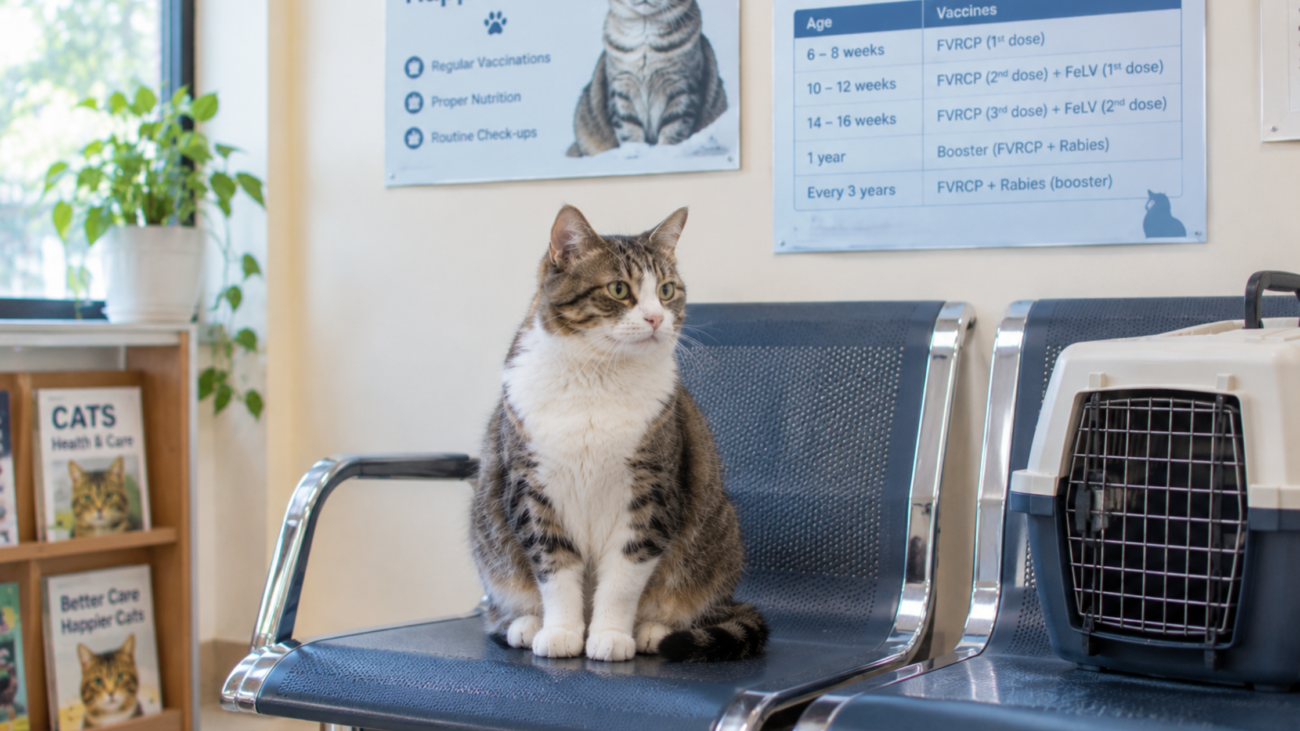
Underweight kitten not gaining weight on increased calories and normal weight kitten losing weight on constant diet needs to be seen by a vet as weight loss can be of medical origin and needs a diagnosis and treatment.
Your kitten fails to gain weight after being fed with more calories for two weeks. Your kitten loses weight in spite of eating the normal amount of food. Your kitten has diarrhea or is vomiting persistently or has a swollen belly. Your kitten has decreased energy levels. This can be manifested by increased sleep, less playfulness or lack of play and energy to play and be active.
It is very important to monitor your kitten’s food intake as even a 12 to 24 hour period without eating can cause serious problems as the kitten has very little energy reserves and can very quickly become dehydrated. If your kitten becomes collapsed, develops pale gums or becomes unresponsive seek immediate veterinary attention.
A kitten that is not gaining weight could be suffering from a variety of medical problems. Common problems include intestinal parasites such as roundworms, hookworms, and coccidia. Disease can also cause a kitten to not gain weight. These diseases include panleukopenia and FeLV. Some kittens are even born with organ abnormalities or malabsorption disorders. Your veterinarian can determine the cause of your kitten’s failure to gain weight with a physical examination, a fecal examination, and blood work. Then, The treatment for your underweight kitten will depend on the underlying cause of her failure to gain weight. Early intervention by your veterinarian is important to prevent developmental delays in your kitten and to help her to gain weight to get back on a healthy growth trajectory.
Early assessment and treatment of underweight kittens can reverse developmental delay and allow them to ‘catch up’ on growth curve.
Healthy Treats for Growing Kittens
Kitten treats should be nutrientally dense, the appropriate size for your kitten, and never comprise more than 10% of your kitten’s daily calorie consumption. Treats that are high in protein and healthy fats can be used to supplement your kitten’s regular diet.
Small pieces of plain, cooked chicken (boneless, skinless and unseasoned) make a great treat for kittens because they are very palatable and made of lean protein. Cooked fish also can be given to kittens in small amounts to supplement their diet with omega-3 fatty acids and protein. There are many commercially available kitten treats that are made with real meat and do not contain artificial preservatives or additives. They are very convenient because they are already the proper treat size and ready for use without any additional preparation.
Freeze-dried treats made from 100% single protein source ingredients such as chicken, turkey and salmon are high-value rewards for your feline friend. Often referred to as ‘free from’ products, these healthy treats contain no fillers, no grains and minimal amounts of carbs. These treats are very light, extremely shelf stable and can be cut to size to create the perfect kitten treat.
As for what NOT to give your kitten as treats, stay away from sugar, artificial colors, salt. Human food is a definite no go – cookies, ice cream, popcorn, candy, processed foods of all kinds. Don’t even think about giving your kitten any dairy products – they are not meant to have milk. Treats are meant to supplement your kitten’s regular diet with complete kitten food and should not be used as a replacement for meals. And remember to avoid feeding your kitten any of the toxic foods listed.
Conclusion
Deciding on the best food for your overweight kitten in order to help them gain weight in a healthy manner is one of the most important health decisions that you can make for your kitten in the first year of life. A good starting point is a high protein, high calorie, nutrient dense food that is made with quality animal sources for protein and fat as well as micronutrients. Once you have chosen a good food for your kitten, you will also need to feed it according to the kitten’s age. Monitoring your kitten’s weight is also critical in order to make sure that your kitten is gaining weight in a healthy manner in order to have the muscle, bone density, and a strong immune system in order to be a healthy, energetic adult and in order to receive timely medical care from your kitten’s veterinarian in the event that your kitten fails to gain weight in a healthy manner.
Frequently Asked Questions
What is the best kitten food for healthy weight gain?
A: Best Kitten Food for Weight Gain – Weight Gain Kitten Food: This weight gain kitten food is designed to help increase weight in kittens. The food contains high levels of animal-based protein (more than 30% protein) and fat (at least 20% fat) and features real meat as the 1st ingredient with no fillers of grain in this kitten weight gain food.
How can I help my underweight kitten gain weight safely?
A: Provide more meals of same amount of food instead of just increasing amount per meal. Feed a higher calorie kitten food. See if warming up the canned food brings out her appetite. Deworm your kitten and check her weight on a weekly basis.
How often should I feed a growing kitten?
A:It is safe for young kittens (under 4 months of age) to eat 3-4 meals a day. Kittens 4-6 months of age can eat 3 meals a day. Kittens 6-12 months of age can then safely eat 2-3 meals a day.
Is wet or dry food better for kitten weight gain?
A: Both wet and dry foods can be used to aid weight gain. Wet foods are high in moisture and highly palatable, while dry foods are of high calorie density. The most effective method of weight gain is by mixed feeding a combination of both wet and dry foods.
Which nutrients are most important for kitten growth?
A: Proteins from animal sources, fat, DHA, taurine, calcium, phosphorus and the vitamins A, D and E. These nutrients are critical for building muscle, supporting brain development and sustaining the kitten’s bones through growth.
Can I feed homemade food to my kitten?
A:Is it safe to feed your kittens with homemade food?
There are many risks of nutrient imbalances when feeding a kitten a homemade diet. Seek the assistance of a veterinary nutritionist to make a complete and balanced homemade recipe for the growth and development of your kitten.
When should I worry if my kitten isn’t gaining weight?
A:Kitten fails to gain weight on normal amount of food for 2 weeks. Young kitten loses weight, is anorectic, and also experiences diarrhea, vomiting, lethargy. Evaluate immediately.
How much should a kitten eat each day?
A: Your kitten’s daily intake will depend on the age and weight of your kitten. Most commercial kitten food have feeding guides on the back of the label which are based on the body weight of your kitten. The energy requirements for kittens are approximately 60-65 calories per kilogram body weight per day.
Are high-protein foods good for kittens?
A: Yes. Yes. Kittens are obligate carnivores, which means they require a diet that is high in protein from animal sources in order to support growth of muscle, development of organs and immunity. Look for a kitten food that contains a minimum of 30% protein from high quality animal sources.
What treats are safe for growing kittens?
A:Chicken (plain, cooked), fish (cooked, in small amounts), freeze-dried single ingredient meat, and other kitten treats made with real meat. Remember to use these treats in moderation to not exceed 10% of your kitten’s calorie intake.
Key Takeaways
- Kittens require to be on a high protein, calorie rich diet, containing a minimum of 30% animal protein and 20% fat for weight gain.
- If your kitten has excessive visible ribs, a prominent spine, an extreme abdominal tuck, and lacks energy, then your kitten is underweight.
- Mix of wet and dry: This type of feeding offers the best of both worlds as it includes the hydrating and appetizing elements of wet food and the calories and long shelf life of dry food.
- As the kitten grows you can gradually decrease the frequency of the feeding. Young kittens are fed 4 times a day until they are about 6-9 months old. Then gradually decrease to 2 times a day by the time the kitten is 12 months old.
- Weight loss in kittens and cats due to parasites is a very common problem and can be solved with a simple deworming treatment.
- Onions, garlic, chocolate, grapes, cow’s milk and raw bones are all foods that should not be included in a kitten’s diet and fed to none.
- Weight gain in kittens can take time to occur and therefore it is not until two weeks have passed and the kitten is failing to gain weight despite being offered apparently adequate amounts of nutrition that advice from your veterinarian should be sought.