Blog
10 Signs Your Cat Is in Pain (That Most Owners Miss)

Summary Box / Key Takeaways
- Cats are well known to hide the pain and symptoms of illness and even very experienced cat owners are often not aware of symptoms of disease in early stages.
- In animals, there are certain signs that are more common than others for any particular disease. For pain in cats, the 10 most common signs of illness in cats that are caused by pain are: decrease in appetite, increased hiding, decreased jumping, changes in grooming, increased vocalisation, aggression, changes in posture, increased use of the litter box, changes in the facial expression, and increased breathing (normal or laboured).
- Early detection of pain in your cat can mean the difference between treating a simple illness and allowing it to develop into a serious potentially life threatening chronic condition.
- Human pain medications are generally toxic to cats and should never be given to them.
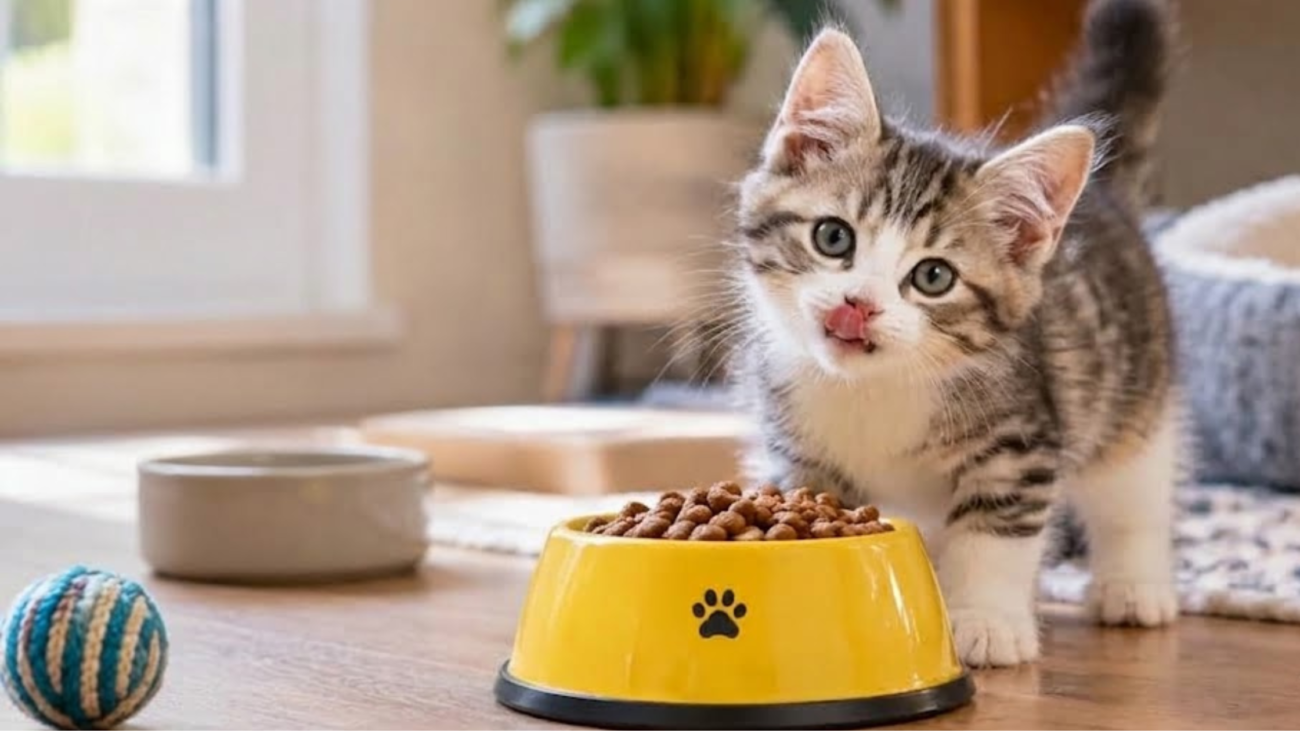
- Feed your cat the best quality premium pet food. These foods are made with the highest quality, nutrient-rich ingredients to support your cat’s joint health, healthy teeth and strong immune system. These are just a few of the many things that can cause pain in your cat and by giving them the right food you can help prevent all of these problems.
Cats are notorious for disguising pain and discomfort. Unlike dogs, who show obvious pain on their faces, cats can be suffering from severe pain and show none of it on the outside. While a dog in pain is usually temporarily lame, a cat can be in severe pain for months or even years before any signs of illness become apparent. Early recognition of pain in your cat gives you a chance to treat minor pain or illness before it becomes a chronic or irreversible condition.
Why Cats Are So Good at Hiding Pain
The cats hide the pain. The natural defense mechanism of the domestic cat still exists and comes from their wild ancestors. An animal in the wild that shows any sign of illness or weakness is easily caught by a predator.
It is often very hard to tell if your cat is in pain as they have an instinct to hide illness or weakness as this may make them a target for predators. Therefore even though your cat may have a fractured tooth or sore joints or early stages of kidney disease which are very painful for them, they will continue to eat and drink, groom themselves and be as normal as possible and interact with you as normal. They are not fine they are just in pain and hiding it.
The cats hide the pain. The natural defense mechanism of the domestic cat still exists and comes from their wild ancestors. An animal in the wild that shows any sign of illness or weakness is easily caught by a predator.
It is often very hard to tell if your cat is in pain as they have an instinct to hide illness or weakness as this may make them a target for predators. Therefore even though your cat may have a fractured tooth or sore joints or early stages of kidney disease which are very painful for them, they will continue to eat and drink, groom themselves and be as normal as possible and interact with you as normal. They are not fine they are just in pain and hiding it.
Why Early Detection of Pain Matters
Early recognition of pain in cats can mean all the difference between a treatable illness and a chronic condition of which there is little to offer in terms of relief for the animal. A cat with mild dental pain in the mouth today could develop severe periodontal disease and lose teeth in a matter of months.
Pain affects each individual cat differently. Over time, a cat in pain will deteriorate dramatically. A cat with arthritic joints can be so sore that they completely avoid the litter box, causing a potential life threatening urinary tract infection. The cat can hold the urine for so long that it becomes a toxic mixture that can cause severe illness. A cat with severe dental pain will stop eating completely. The cat will lose muscle mass and have a weakened immune system. As a result, the cat can become sick with secondary infections.
The earliest detection of health issues in pets provides the best course of treatment in the most cost effective manner. In the early stages of arthritis for example, a pet can be treated with joint supplements and weight management for a relatively inexpensive and effective period of time, rather than waiting until the condition has progressed to degenerative joint disease and requires more costly and involved treatment. A urinary blockage can also be treated with a relatively simple procedure before any damage is done to the kidney, rather than an emergency surgery to relieve the blockage being required.
Recognizing the early stages of pain in your cat can provide you with an enormous advantage. By the time your cat looks/acts ill it is often too late for effective medical treatment. However, by knowing what to look for and acting on it immediately your cat can receive needed treatment in time to extend their life or to make them more comfortable.
10 Signs Your Cat Is in Pain
Cat pain symptoms are subtle, behavioural, and easy to dismiss as normal quirks. The following ten signs are the most reliable indicators that a cat is experiencing pain, discomfort, or illness — even when the cat appears otherwise healthy.
1. Changes in Appetite or Drinking Habits
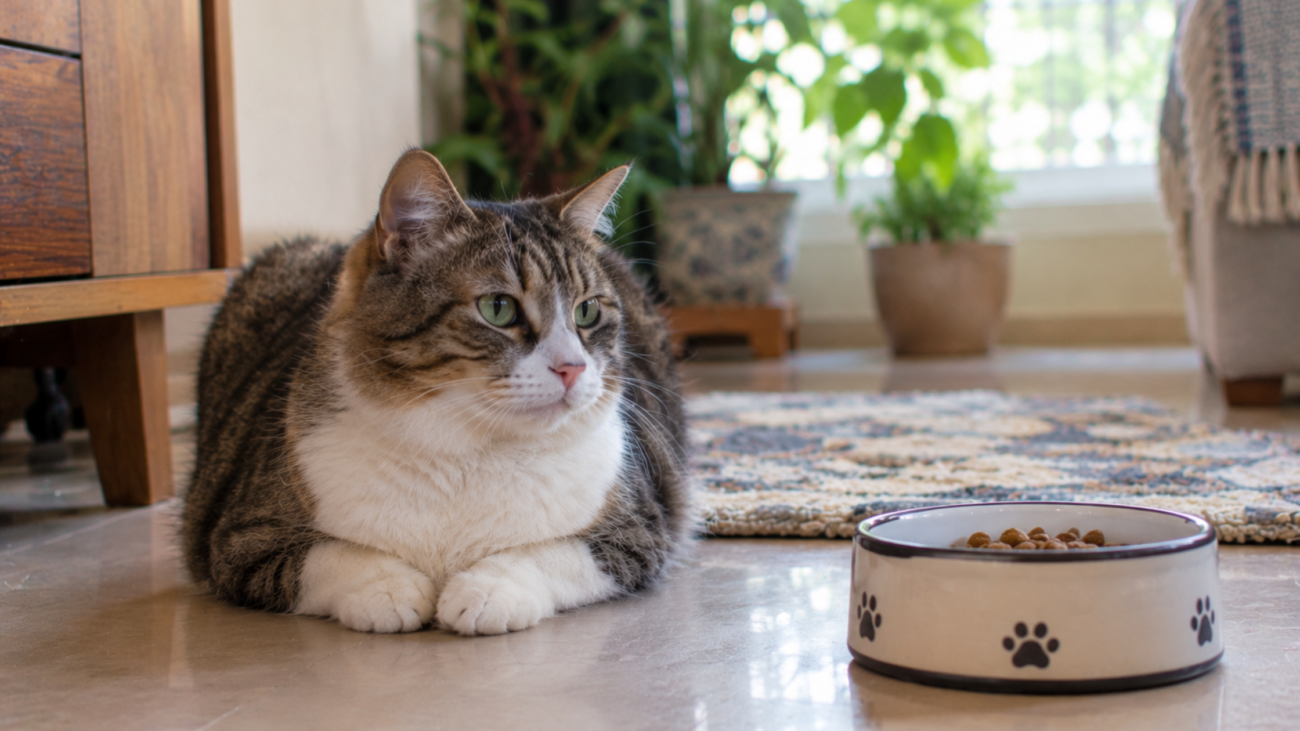
Pain can sometimes cause a cat to eat less and in extreme cases to stop eating altogether. This can be due to dental pain or gastrointestinal inflammation and also due to nausea caused by organ dysfunction. Cats with kidney pain or other urinary problems may drink more if they are in pain but nausea can cause a cat to drink less.
Notice in your cat any increase or decrease in eating as this is important to note. Signs of oral/dental pain are: As if he’s chewing his food on one side of his mouth, he drops his food while trying to eat it or he eats his meals but then walks away from his food without eating it.
2. Hiding More Than Usual
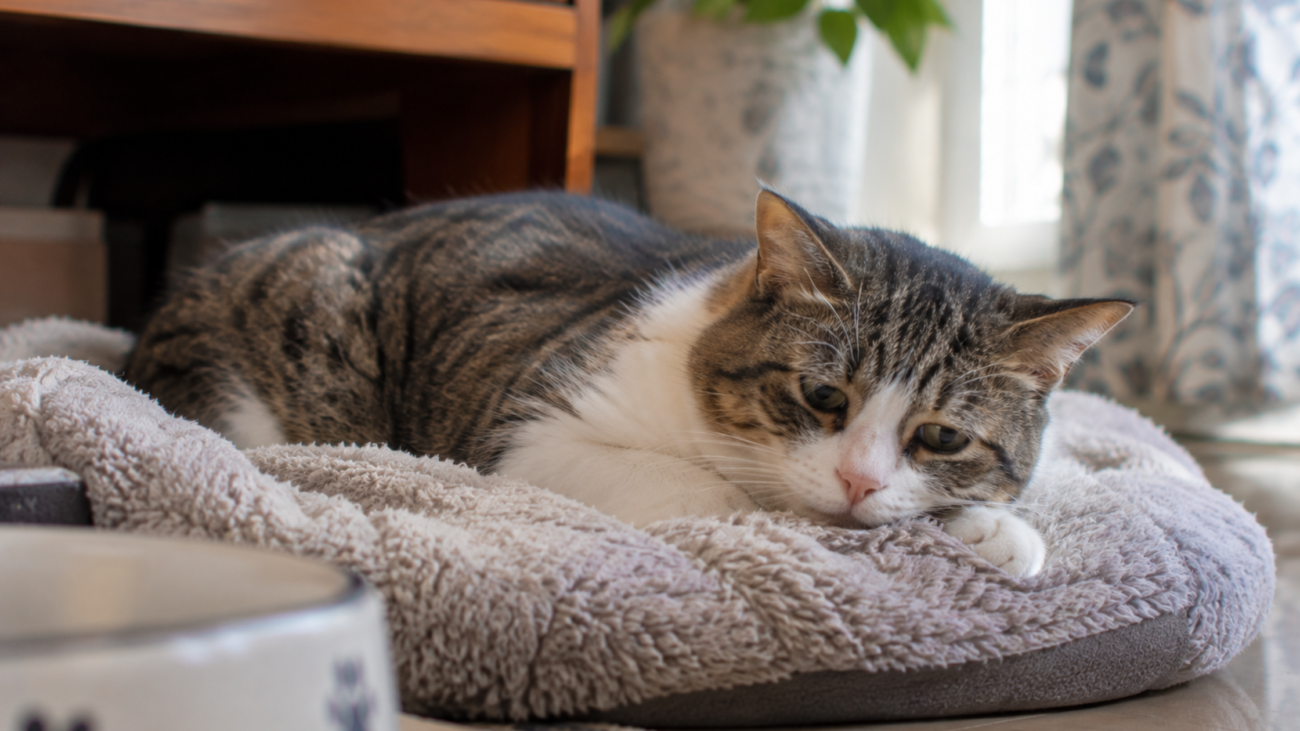
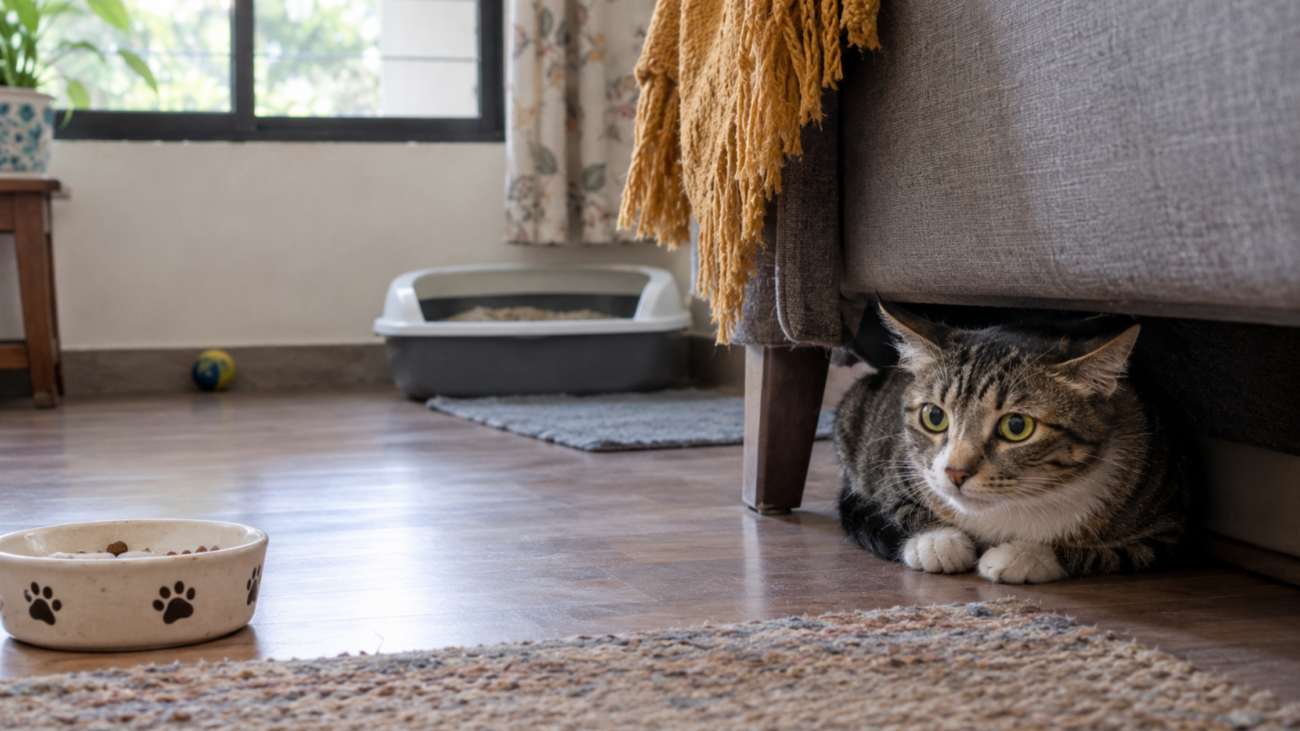
If your cat suddenly starts hiding under the bed, behind the furniture, in a closet or even in his carrier he could be in pain or ill. Hiding is one of the strongest feline distress signals. In hiding your cat seeks a safe enclosed dark space to retreat to and hide.
The occasional cat that takes to hiding in your bed from time to time is not unusual. However, a normally outgoing cat that spends the evenings lying on the sofa with you, and is never seen in the wardrobe, suddenly taking to hiding in there every night could be in considerable pain. The pain may be so severe that it is worse when he is lying down.
3. Reduced Activity or Reluctance to Jump
If your feline was once happy to jump up onto the highest counter in the house but has since stopped then no doubt that jump caused some sort of pain to have been inflicted upon them. Was it a joint in the foot or a strained muscle in their back? No matter the case it caused enough discomfort to stop them jumping up to that particular height. Alternatively your feline may no longer be able to jump up to the end of the bed but that doesn’t mean to say they can no longer jump up to bed as they may jump up to the side of the bed instead. Similarly a feline that would once jump up to favorite perches or climb to tops of climbing frames may take the long way around instead to avoid that pain.
As your cat ages he or she may play less with toys that they use to play with. Your cat may go from actively playing with a toy to ignoring it altogether. Sometimes your cat may even appear to be staring at a toy. In addition to decreased play with toys, your older cat may appear stiff after a period of rest. This stiffness is typically worst in the morning, after your cat has slept through the night. Stiffness in older cats is typical of feline arthritis.
4. Excessive Grooming or Lack of Grooming
Pain can affect a cat’s grooming in two ways. First, a cat in pain may start to over-groom a particular part of the body. This is often because there is localized pain within that area of skin that the cat is trying to ‘lick out’ from under. For example, a cat in pain from a bladder problem may keep licking the same spot on their abdomen, or a cat with joint pain in a limb may start to lick the joint.
On the other hand, a cat that ceases to groom will be in pain or ill. A sleek, healthy, well-groomed cat is usually happy to play and requires no extra attention. But a matted, oily, and unkempt coat is a sign that something is amiss with your feline friend.
5. Changes in Vocalization
Pain in cats can sometimes be expressed by an increase in vocalisation (meowing, yowling or growling) however this is not always the case. Conversely, some cats may actually become less vocal than normal. So if your normally chatty cat has gone silent it could be because it has lost interest in food or has less energy to play, and is therefore withdrawn. A normally quiet cat that starts meowing could be in acute pain when picked up, touched or moving.
Hissing or growling at certain parts of the body is a sign of pain that should not be ignored and often is mistaken for you cat’s attitude.
6. Aggressive or Unusual Behavior
Aggression due to a sudden bite, swat or scratch in a cat could indicate that they are in pain and being handled close to the source of pain. This type of aggression is very different from personality based aggression and is based on change. Thus a cat that suddenly becomes aggressive when in the past it was not aggressive, indicates that the cat is in distress.
The animal may be irritable, restless or less than normal social. For example a normally very social cat that stops wanting attention, stops wanting to be petted. The cat may even flinch and pull away when petted near painful areas.
7. Changes in Posture or Movement
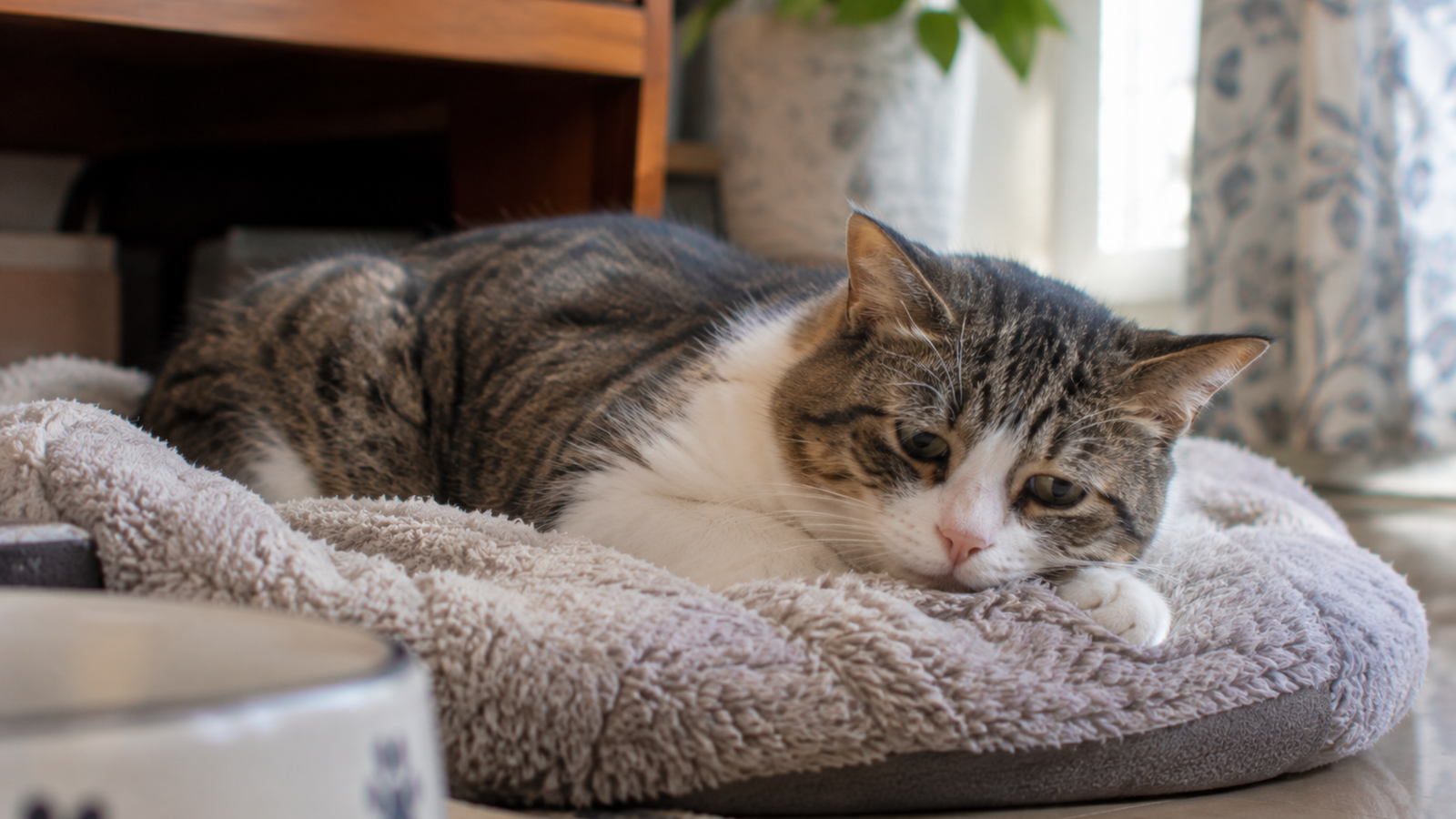
Pain can cause a cat to change how it moves around in a room and how it sits in a room. Cats in pain can sit in a hunched up position with their head down on the floor and their legs drawn up tightly into their body. This is often called a ‘pain position’. Other signs of pain in a cat are limping or putting more weight on one leg than the other, stiffness of gait and a general avoidance of placing weight on a leg. He may also be seen to be constantly ‘shifting his weight’ from side to side to avoid putting weight on a particular leg.
A cat in pain due to abdominal pain may search for a cool surface and lie on it with her abdomen pressed firmly against the ground. A cat in pain due to spinal pain may be found arching in an attempt to stretch, or lying on her back with her back arched in an abnormal position. Any sustained change in a cat’s posture is of concern and should be investigated by a veterinarian.
8. Litter Box Changes
Your feline may be very sensitive to discomfort while using a litter box. If your cat stops using a litter box completely, urinates outside of litter box, appears to be in pain while urinating (straining), has either very small or very large of droppings or even appears to be in discomfort while in litter box, could be suffering from serious health issues including but not limited to, pain in urinary tract, constipation and or other serious gastrointestinal problems.
Male cats who are trying to urinate but are unable to pass any urine are facing a life threatening situation and must be taken to a vet immediately. Changes in litter box behavior must be investigated to rule out a medical problem before attributing the change to a behavioral problem in a cat.
9. Facial Expressions That Suggest Pain
Pain in cats has been a challenge for veterinary researchers to understand and to measure. A number of tools have been validated for the assessment of pain in cats, including the Feline Grimace Scale. By learning the typical signs of pain that are reflected in a cat’s facial expression (partially closed eye, ears back and flat, tense or rounded muzzle, pulled back whiskers) the usual changes in a cat’s facial expression can provide an early indication of pain in that individual.
These slight changes in a cat’s facial expressions are often consistent in cats in pain. Recognizing a cat’s facial expressions can help you be the first to detect pain in your cat and be able to assist him. A cat’s face is usually the best indicator of pain in them rather than their body language.
10. Rapid Breathing or Restlessness
An extremely distressed cat may breath very rapidly or have very shallow breaths. The normal respiratory rate for a calm, resting cat is 15-30 breaths per minute. A rate greater than 30 breaths per minute when the cat is at rest indicates severe pain or a serious life-threatening respiratory or cardiac problem.
A restless, pacing cat may alternate between lying down and getting up again. He may even go back to his bed only to get up again a few minutes later. He may be in extreme pain, which can be worse in some positions. He may start to circle around to his bed in the hopes of finding a comfortable position to lie down in.
Common Causes of Pain in Cats
Recognising causes of pain and related risk factors will help with early investigation and treatment of pain in cats, allowing chronic, often hidden, pain and associated distress to be investigated and treated before it becomes ingrained.
Dental disease is one of the most common causes of chronic or ‘silent’ pain in cats. Gingivitis, dental resorption, fractured teeth and stomatitis are all painful conditions of the mouth which can be difficult to recognize in cats. In addition to dental problems, many cats suffer from arthritis, a painful condition that is common in older cats (over 6 years of age) and tends to worsen over time.
Acute pain can develop suddenly in any age of cat due to a number of reasons including: urinary tract diseases such as a painful infection, a stone in the bladder or a case of feline lower urinary tract disease (FLUTD); and gastrointestinal diseases such as inflammatory bowel disease, pancreatitis or an intestinal blockage. These types of pain can be very distressing for the cat and, unlike chronic pain, are often very obvious. However, many cats are able to hide the signs of illness due to their natural behavior and it is often for reasons such as being less active than normal and having a reduced appetite that a diagnosis of pain is first considered.
Other types of injury and disease can cause sudden severe pain in cats even when there are no outward signs of trauma. Examples include internal injuries from a fall, a fight, an accident, hairline fractures, and tears to soft tissues. Pain can also be present in cats with cancer, chronic kidney disease, and hyperthyroidism, but the pain is not the first sign of illness and can be masked by changes in behavior.
When Should You Contact a Veterinarian?
Early contact with a veterinarian is needed if your cat is showing any of the ten pain signs listed here. It is especially important to note the sudden change in behavior and whether the change has been persistent for 24 to 48 hours or more, and whether there are any other symptoms, such as vomiting and/or diarrhea, or complete refusal to eat food at all.
There are several situations that require immediate attention or emergency treatment. A cat that is making efforts to urinate but is unable to pass any urine is likely to have a urinary blockage and will require same day hospitalization. A cat that is breathing with its mouth open could have serious heart disease, a collapsed lung (pleural effusion) or be suffering from severe respiratory failure and needs to be seen by a veterinarian immediately. Sudden paralysis of back legs, collapse or a fit (seizure) requires immediate transport to a veterinary hospital.
For lesser acute problems it is also best to seek early consultation. A few days of a normally hidden cat being out in the open, a normally good eater not eating as much as usual, and a normally enthusiastic groomer being less than enthusiastic for days all have the potential to be solved with early treatment of relatively simple conditions. They can become much harder to treat as time goes on.
Remember it is always best to seek advice early on for any sustained change in your cat’s behavior that you suspect to be in pain. Even if it is found to be a minor problem it will be so much better for both your cat and yourself if it had been sorted earlier rather than getting worse until diagnosis.
How Veterinarians Diagnose Pain in Cats
Pain in cats can be a challenging condition for the veterinarian to diagnose. Generally, a physical examination, assessment of the cat’s behavior, as well as diagnostic imaging and/or laboratory tests can provide a diagnosis. Many cats are accustomed to hiding any signs of illness or pain and, therefore, their veterinarian will use structured pain assessment tools to diagnose pain in the cat.
The Feline Grimace Scale (FGS) is a clinical pain scale that can be used to measure facial expression in cats (including ear position, eye position, muzzle retraction and whisker tension). It is a valid tool for the assessment of pain and is used as part of a physical examination of the cat. Assessment of gait, posture, and range of motion, as well as palpation, are other important aspects of a physical examination to diagnose pain in cats.
In addition to clinical signs it is always important to rule out organ related pain or disease by conducting a blood test and urinalysis. Radiography and ultrasound can confirm the presence of a fracture as well as degenerative joint disease, and help identify other causes of internal pain such as a bladder stone, mass or soft tissue abnormality. CT scans or MRI may also be indicated to identify the cause of internal pain in more complex cases.
The owner’s observations of the life history of the pain in their cat are extremely valuable in helping to arrive at a diagnosis. The owner knows what life his cat led before he developed pain and how his life has changed since that time. He or she will be able to describe a change in the behavior of his cat and give details on when the pain is worse. The veterinarian will be unable to arrive at this information by physical examination or by the results of the various diagnostic tests that are available.
How Pain in Cats Is Treated
Pain in cats is generally treated based on the cause of the pain, the degree of pain that is present and the individual animal. In order to treat the pain of your cat, your veterinarian will design a pain management plan that may use a variety of different methods of pain relief and support, and make changes to your cat’s environment as needed.
The majority of cats with musculoskeletal pain or those experiencing post-surgical pain are prescribed non-steroidal anti-inflammatory drugs (NSAIDs). There are feline specific versions of human NSAIDs that are metabolized differently in cats and therefore must be used for pain relief in this species. Opioids are used in a clinical setting for severe, acute pain after surgery or trauma.
Gabapentin has proven effective for chronic pain in cats. It is particularly effective for nerve pain and arthritis. Many cats with degenerative joint disease are also given supplements that contain glucosamine and chondroitin. Some forms of chronic pain in felines are being treated with alternative methods such as veterinary acupuncture and laser therapy.
Making changes to your cat’s environment to help minimize pain caused by arthritis. Providing low entry litter boxes, feeding from higher up, providing ramps to climb up high to favorite perches, and providing heat to relaxing areas and also to their bedding.
Critical safety warning: Human pain medication is NEVER to be given to cats! The most common pain medications given to humans for pain (paracetamol/acetaminophen; ibuprofen; aspirin) are all either Fatal (A) or Severely Toxic (B) to cats. Any pain medication must be prescribed and administered by your veterinarian, who will use his/her best professional judgment to determine if any pain medication is safe for your cat.
How to Comfort a Cat That May Be in Pain
Cat in pain requires a very gentle, low-stress, approach and this typically needs to be a very careful cat in pain and they need to be made to feel safe, most of all to be in control and so creating a calm environment for the cat in pain is far more important than actual physical contact with the cat in pain.
Create a safe haven for your cat; a quiet, warm, enclosed space for her to rest and try to feel better. Try not to pick up your cat in pain and attempt to cuddle her as this can increase her discomfort and make her become aggressive. Instead sit quietly with your cat and speak softly to her. Move slowly as even small, sudden movements can startle a very sensitive animal in pain.
Provide your cat with easy access to his fresh water and food. Ensure the depth of the litter tray is shallow and positioned near your cat’s favorite sleeping spot. If your cat suffers from joint or muscle problems in his old age, place a heated pad or blanket under his favorite cushion.
Make a note of your cat’s behavior. Note even the smallest of changes, whether for better or for worse, of your cat’s eating and drinking, his or her use of the litter box and level of activity. This will help you to form a clear picture of your cat’s health, which you must then transfer to your vet at the time of consultation.
Can Pain Be Prevented?
While some form of feline pain cannot be prevented, there are many measures that can be put in place to either prevent pain in cats or to reduce the degree of pain that does occur as a result of disease or injury.
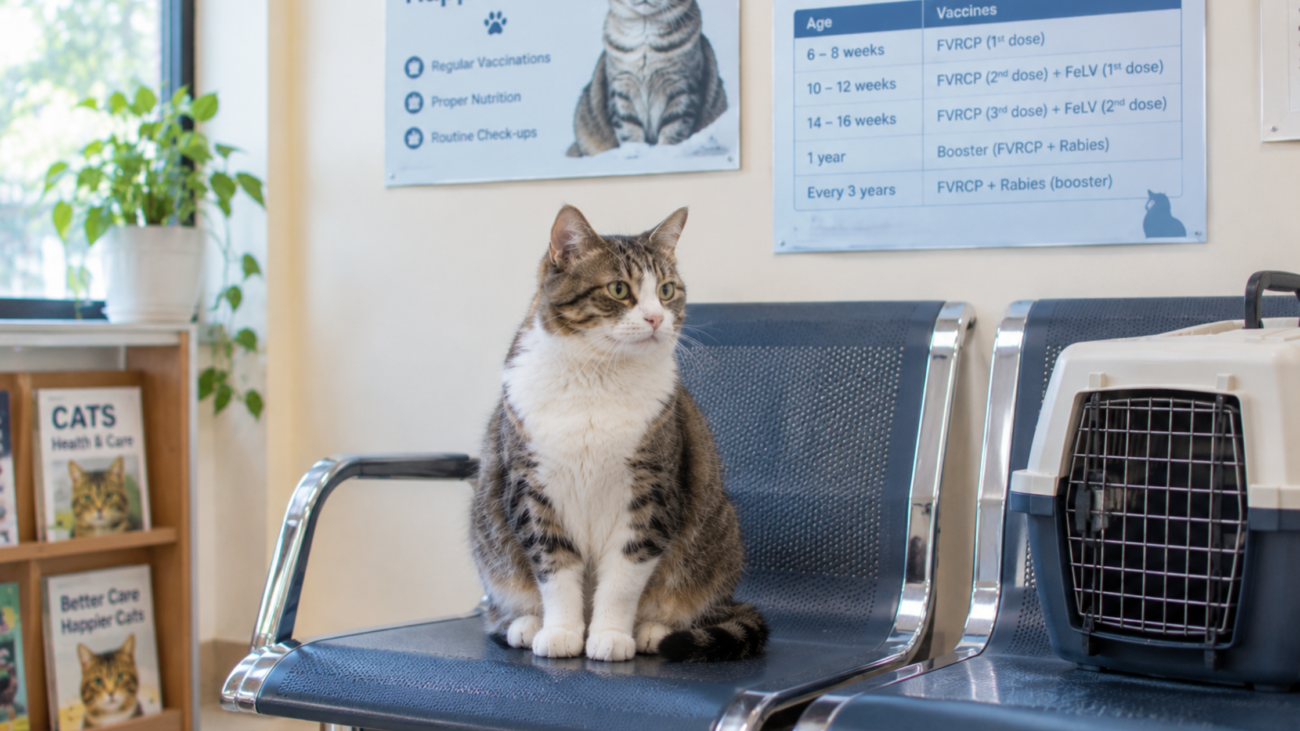
The purpose of wellness exams is to detect health problems in their early stages when your cat can still be comfortable. For adult cats we recommend annual wellness exams. For senior cats (over 10 years of age) we recommend every 6 months. In these exams we look for signs of pain in dental disease, arthritis, kidney disease and other painful conditions. Early detection of these conditions allows us to prevent severe pain. We recommend dental cleanings to remove tartar and plaque from your cat’s teeth to prevent gingivitis. Periodontal disease can cause tooth resorption and chronic oral pain if left untreated.
Keeping your cat at a healthy weight can help to reduce the strain on your cat’s joints, can help to prevent arthritis and mobility problems in your cat and keep his muscles fit and his joints flexible through interactive play.
Keeping your cat indoors will help protect them from both injury and disease that can cause acute and chronic pain. They can be injured in fights with other animals and can also fall from great heights. In addition, your cat could be killed crossing the road. Finally, parasites such as fleas, ticks and intestinal worms cause considerable discomfort and suffering in cats. Skin irritation from parasites causes cats to be constantly itchy. Slowly developing anaemia due to blood sucking parasites can cause chronic fatigue in cats. Intestinal worms cause a range of gastrointestinal disease in cats.
So rather than having to treat pain later, we can use a proactive prevention strategy which includes regular veterinary visits and the preventative measures of keeping you cat at a healthy weight, safe indoors and on control of external parasites such as fleas, ticks and intestinal worms to avoid unnecessary pain and suffering.
Supporting Your Cat’s Overall Health Through Nutrition
Nutrition is one of the key elements for long-term pain control in cats and overall health. Because cats are obligate carnivores, they are innately driven to seek out 100% animal-based protein for sustenance of life and optimal health. The food that a cat eats must be biologically appropriate at the cellular level to support the body systems that are most prone to pain and suffering.
High-quality protein in your cat’s food will help to keep them at a healthy weight with lots of lean muscle mass. This will mean that less strain is put on their joints and they will be less likely to feel pain. The omega-3s found in fish based foods have anti-inflammatory properties and will also ease any joint pain your cat may be experiencing as well as keep their skin healthy. A perfect balance of minerals, such as calcium and phosphorus, will also help to keep your cat’s teeth and bones strong throughout their life.
Taffuzo premium cat food is well balanced for complete nutrition of all life stages of cats. Taffuzo contains high meat content of protein to ensure adequate taurine for good heart, eye and immune system function. All natural, nutrient-dense ingredients in Taffuzo promote excellent digestive function, healthy coat, and optimal energy for long periods of time. The food keeps your cat comfortable, active and strong against all pains and illnesses for long time.
Conclusion
These are the real signs of pain in cats that are measurable and consistently present in every cat in pain. Unfortunately the signs of pain in cats are so very subtle that most owners never even realize that their cat is in pain until it has become a serious health issue and required surgery. This guide to the ten signs of pain in cats reveals all the various changes in behavior and physical signs that indicate pain in cats including decreased appetite, increased thirst, vomiting, hiding, changes in facial expression, increased respiration, restlessness, stiffness and changes in elimination habits and increased vocalization. By treating your cat’s pain early, feeding your cat the highest quality of nutrition and taking part in all proactive health measures and preventive care measures you can keep your cat comfortable for the rest of his or her life and extend his or her life for years to come.
Frequently Asked Questions
How do I know if my cat is in pain?
Watch for hiding, appetite loss, reduced jumping, grooming changes, vocalisation shifts, aggression, posture changes, litter box issues, facial tension, and rapid breathing. Any sudden behavioural change may indicate pain.
What are the first signs of pain in cats?
A decrease in appetite, increased hiding, decreased jumping, slight change in grooming. These early changes can occur in the days or weeks prior to more obvious signs of illness in a cat.
Why do cats hide when they are in pain?
Why do Cats Hide When Injured? Cats hide due to a survival instinct of wild animals (including injured/sick animals) to hide their weakness so as not to be preyed. This same natural response to pain/weakness in domestic cats is why they hide.
Can a cat be in pain without crying or meowing?
Most cats in pain are silent because it is in their best interest to be at comfort while hiding any sign of weakness or vulnerability. Being at comfort silently is not a good indicator that your cat is in pain. The changes in a cat’s behavior are much better indicators of pain than any changes in vocalization.
Should I take my cat to the vet if it stops eating?
If your cat is not eating for more than 48 hours it is crucial to take your cat to the vet as failing to eat for long periods of time can cause life threatening hepatic lipidosis. This time frame can be shorter for kittens and senior cats where failure to eat for 24 hours or more can be serious also.
What causes chronic pain in older cats?
Chronic pain in senior cats can arise from a variety of causes including from arthritis, dental disease, kidney disease, hyperthyroidism or even internal cancer. Early detection of these diseases by your senior cat’s veterinarian through annual blood work is key to preventing severe pain in your senior cat.
Can dental problems cause pain in cats?
Yes. Dental disease is the unknown common cause of chronic pain in cats and can cause gingivitis, tooth resorption and fractured teeth all causing chronic pain in the cat who may be hiding the changes in his eating with subtle changes.
Is limping always a sign of pain in cats?
Limping in cats is often a sign of pain, injury or joint disease. Even very mild limping that occurs from time to time, or only occasionally, should be investigated by a vet as the signs of pain are masked in cats. They do not acknowledge weakness.
Can I give my cat human pain medication?
DO NOT GIVE YOUR CAT ANY PAIN MEDICINE! Paracetamol (Acetaminophen) is extremely toxic to cats, as are ibuprofen and aspirin which can cause serious damage to a cat’s internal organs and tissues. Any pain relief for your cat will be prescribed by your vet and must be given exactly as it has been stated on the packet. Your vet will also want to see your cat for follow up appointments to check on progress.
How can I help keep my cat comfortable during recovery?
Provide a warm quiet place for your kitty to rest with food and water close by, and use a low entry litter box. Otherwise, just leave kitty alone as much as possible, and follow the pain meds’ instructions, including scheduled follow-up appointments with your vet.
Key Takeaways
- Cats are experts at hiding the pain they are in and therefore your cat may not be meowing or showing any obvious signs of pain or discomfort and therefore they may be in pain.
- The 10 biggest indicators of pain in cats are: change in appetite, hiding, not being able to jump, change in grooming, change in vocalisation, aggression, change in posture, change in use of litter box, change in facial expression or body language and increase in breathing rate.
- Early detection and treatment of pain in cats is always better for their health, and usually cheaper than waiting until more serious damage has been done.
- Human pain relief medication must NEVER be given to your cat as paracetamol, ibuprofen and aspirin are all TOXIC to your cat and can even be FATAL.
- Regular health checks, dental cleaning, keeping your cat at a healthy weight and feeding a high quality of food will all help to prevent pain in the feline due to avoidable causes.