Blog
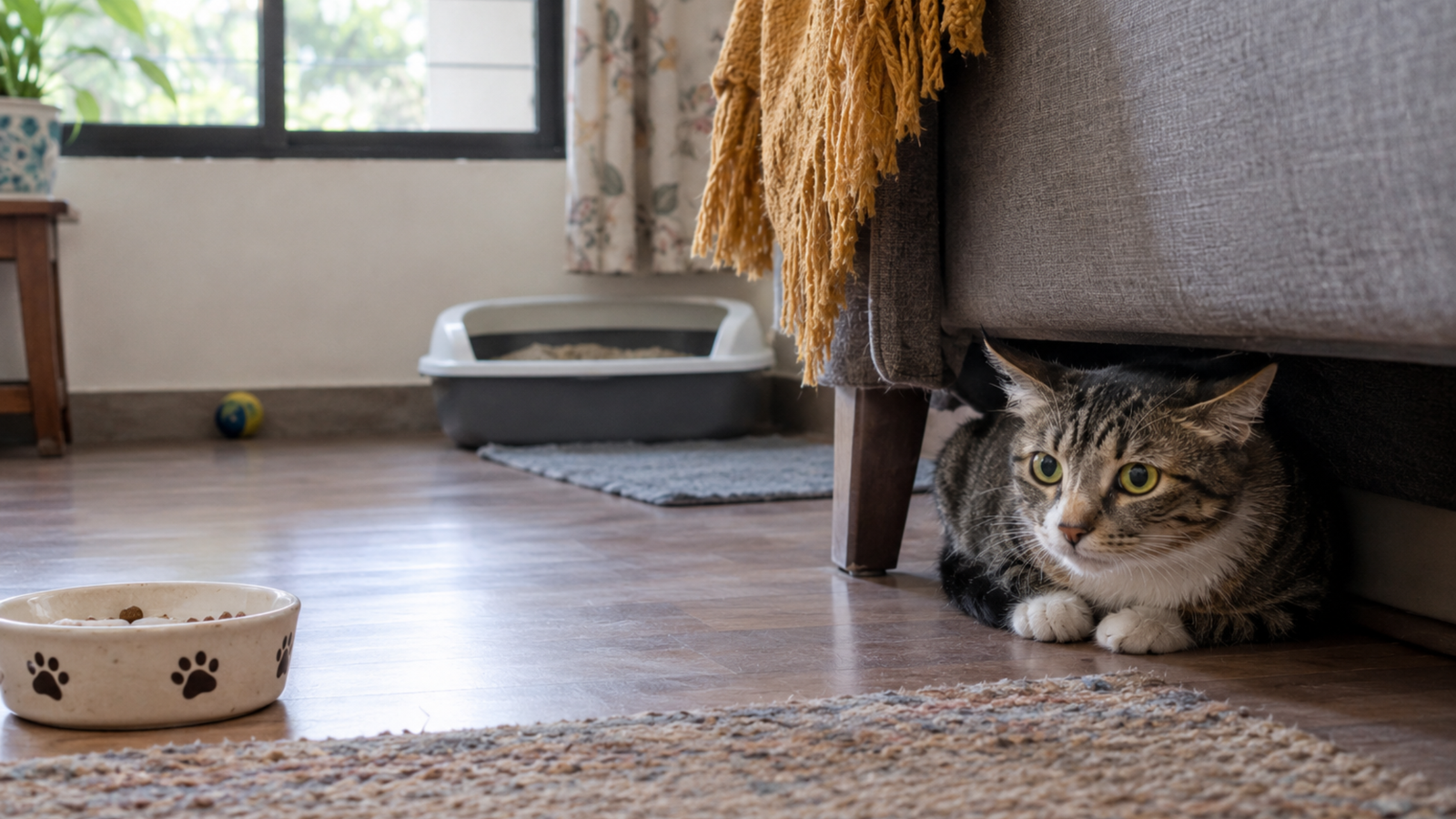
Cat in Stress: 5 Signs You Should Never Ignore

Key Takeaways:
- Stress in cats is a physical and psychological condition triggered by environmental, social, or medical changes.
- The 5 warning signs to never ignore are: hiding, changes in eating, over- or under-grooming, litter box problems, and sudden aggression.
- Indian cats face unique stressors including monsoon noise, heat, festivals like Diwali, and multi-pet households.
- Most cat stress is manageable with environment adjustments, pheromone products, and vet-guided care.
- Persistent stress lasting more than 7–10 days always warrants a veterinary visit.
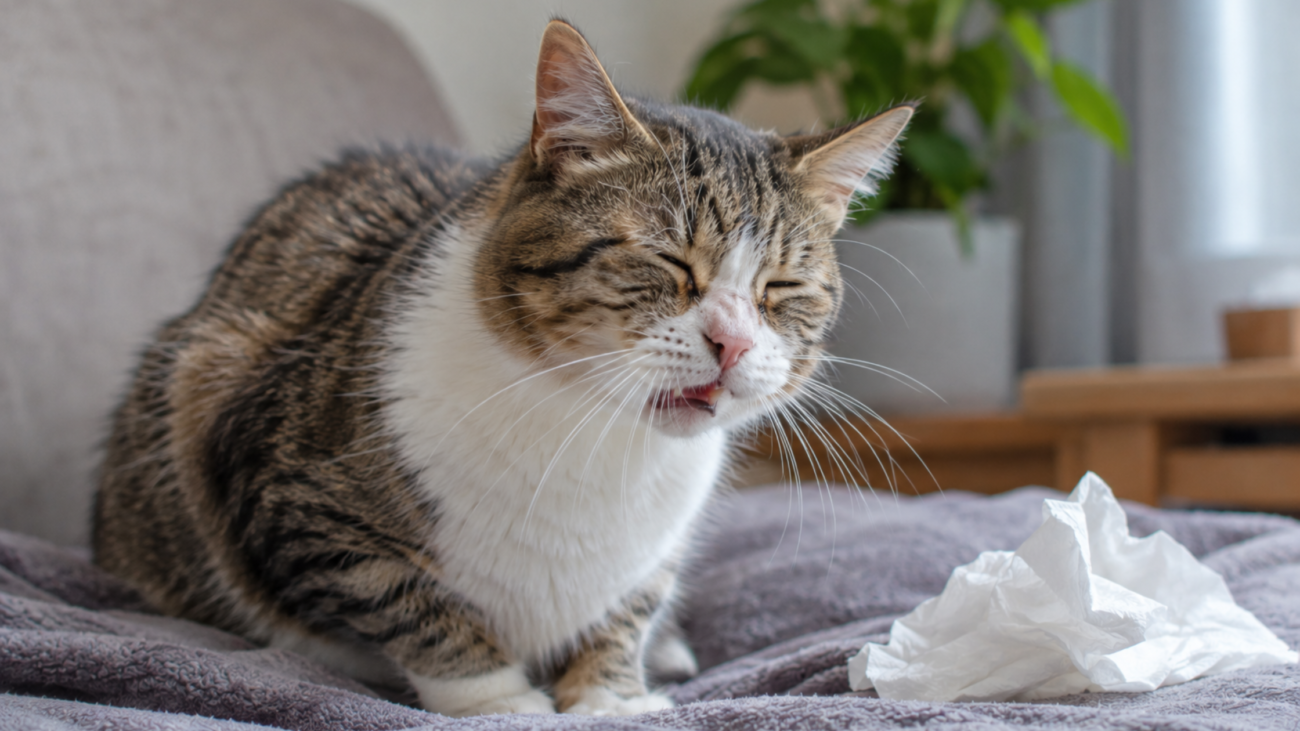
A stressed cat is a cat showing a physical or emotional response to a perceived threat or change in environment. Stress in cats is more common than most pet owners realise. It affects behaviour, appetite, hygiene, and long-term health. Recognising the early signs prevents minor anxiety from becoming chronic illness.
What Is Stress In Cats And Why Does It Happen?
Stress in cats is a natural response, be it physical or behavioral. Just as with dogs, the stress experienced by a cat is triggered by a perception of threat. But there is an important difference: whereas dogs are very much social animals, traveling with their owners from place to place, cats are essentially solitary animals and are above all territorial. So it is not the unusual or unbalanced that can cause stress in a dog, but rather the unusual or unbalanced in a cat’s world of familiar surroundings, routines and loved ones.
A threat must be perceived by the feline nervous system for a cat to become stressed. The stress response occurs when cortisol and adrenaline are released through the cat’s body in preparation to either fight, flee or even ‘freeze’. In the wild a stress response would only last for a short period of time. Domestic cats however are exposed to most stressors on a chronic basis over weeks and even months. This means that there are for extended periods of time elevated levels of cortisol present in a stressed cat’s body. The stressor whether a new baby, the relocation of a litter box or even the introduction of another pet to the household has caused stress in your cat, it is known that chronic levels of cortisol can have long-term adverse effects on the health of your feline.
Common causes of cat stress include:
- Environmental changes (moving house, renovations, rearranged furniture)
- New people or animals in the home
- Loud or sudden sounds (traffic, construction, fireworks)
- Illness or chronic pain
- Lack of enrichment or stimulation
According to the American Association of Feline Practitioners (AAFP), chronic stress is one of the top contributors to feline idiopathic cystitis (FIC), a painful urinary condition. Understanding the root cause of stress is the first step toward helping a cat recover.
How To Identify A Stressed Cat
Changes in a cat’s behavior that are different from their normal behavior for eating, playing, grooming, etc. and are outside of the cat’s normal state of being can indicate stress in a stressed cat. So, it is key to a pet owner to know a normal behavior of a cat and that would be the cat’s baseline of behavior for eating, playing, grooming, etc. and then look for any changes in that behavior that are outside of that normal behavior for that cat.
In almost all cases of stressed cats changes in behavior will be subtle and take place internally. This means that instead of a cat behaving in a way that is totally out of character it is more likely that a number of small changes will take place that are outside of a cat’s normal behavior. For example, a cat that normally greets visitors to the house may now avoid them, or a very hungry cat that would normally jump to eat a meal will show no interest in it. Changes such as these will generally become apparent within 48 hours and will be reversible if detected early enough
5 Signs Your Cat Is Stressed – Never Ignore These
Sign 1 – Hiding More Than Usual
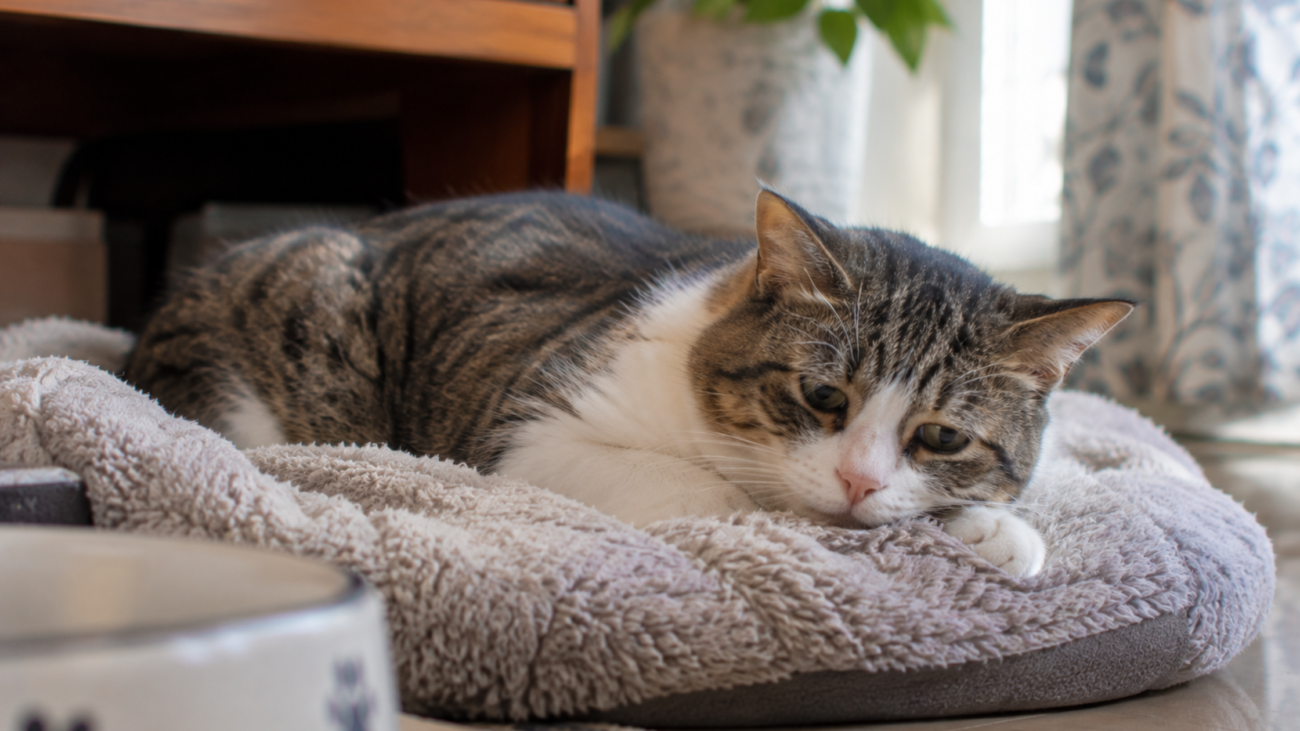
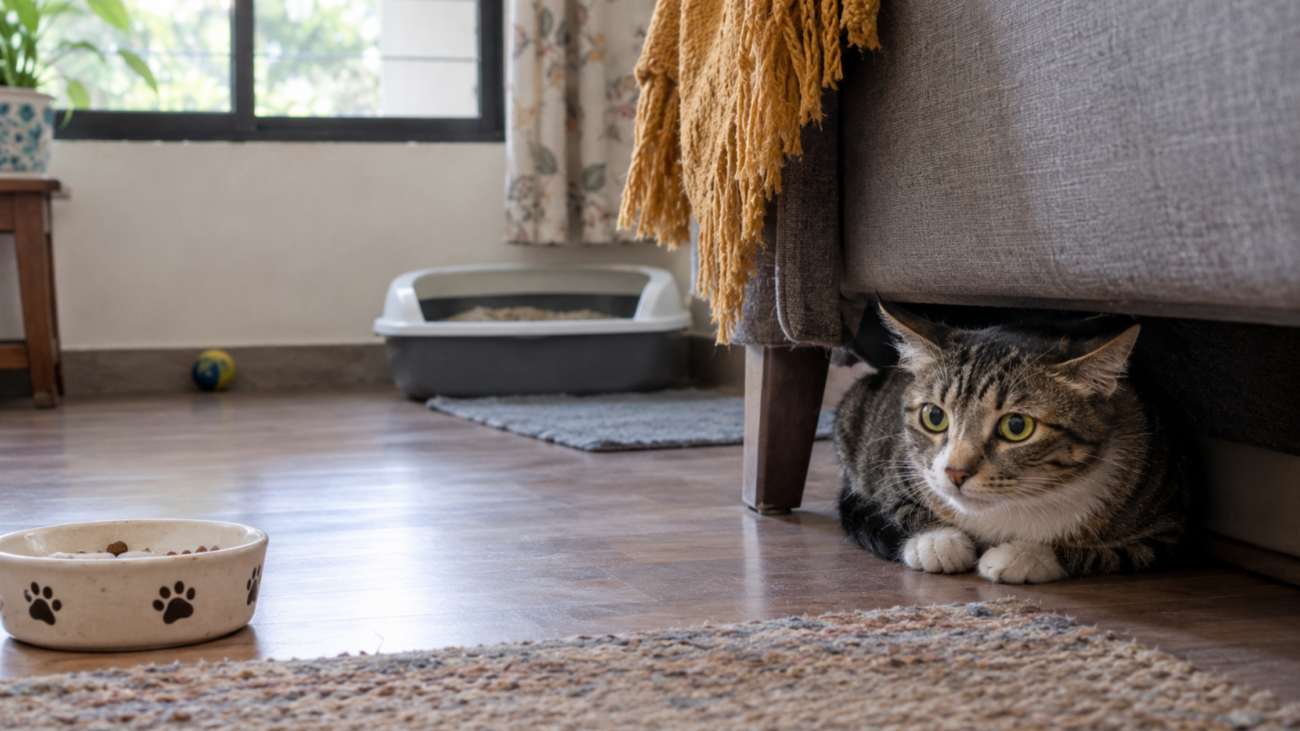
A cat hiding more than usual is one of the earliest and most reliable signs of stress.Some normal behaviors for cats include withdrawing their presence when they feel threatened or scared by another animal or even people. The occasional hiding of a kitty for a short time is normal but constant daily hiding in unexpected places such as behind appliances or even up high in a cabinet such as a cupboard indicates that your kitty is feeling anxious or stressed.
A hiding cat that stops coming for its meals, stops going into the living areas and appears with a ‘startled’ look on its face when it is seen in hiding has likely started to become stressed. These changes in behavior can occur before any physical symptoms present in the cat.
Trying to drag your cat out from under the bed is probably not the best approach. Instead place their food, water and a clean litter tray nearby. Try to keep footfall past the hiding spot to a minimum and remember that if your cat needs time and space then just let him come out when he’s good and ready. If after 5-7 days your cat still has not emerged from his hiding spot it would be a good idea to get your veterinarian to come out to check for illness or injury.
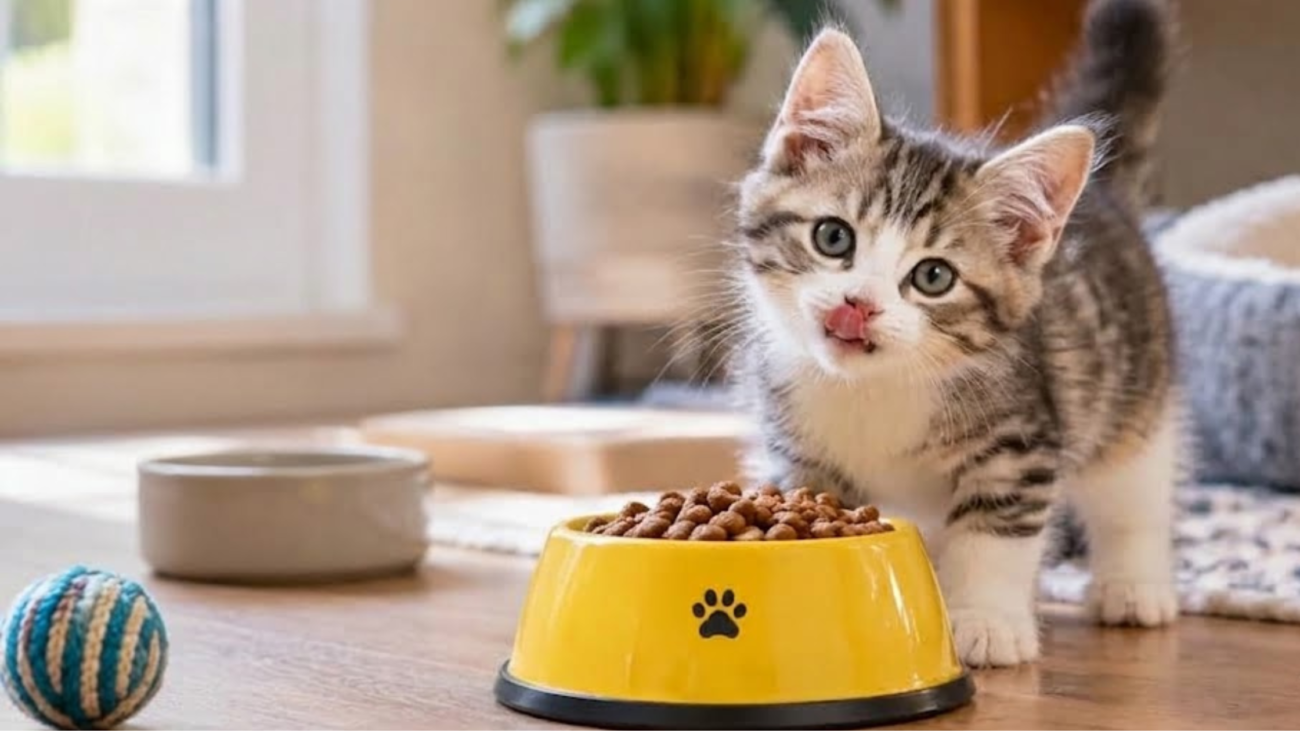
Sign 2 – Changes in Eating Habits
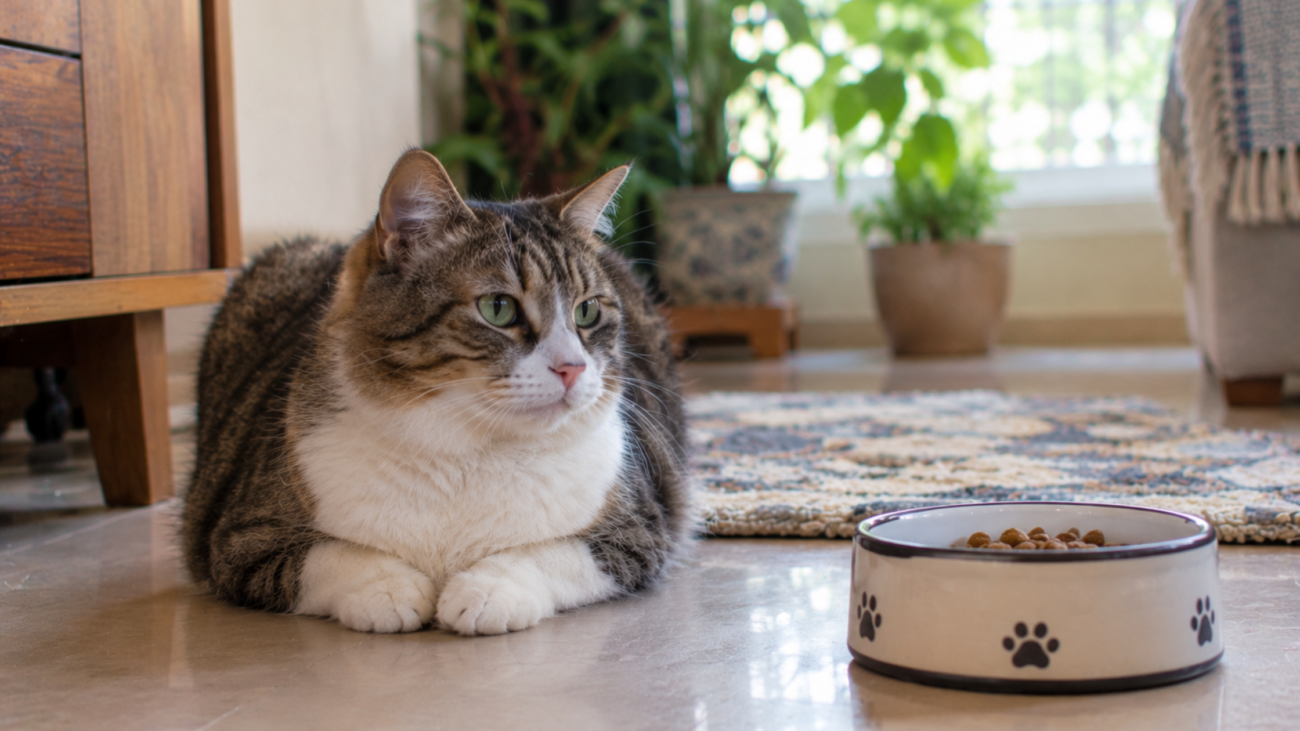
Changes in a cat’s eating habits, eating significantly less, refusing food entirely, or eating more than usual are a direct stress indicator. The feline digestive system is sensitive to psychological state. Stress hormones suppress appetite or, in some cats, trigger stress-eating.
A cat skipping one meal is not alarming. A cat refusing food for more than 24–48 hours requires attention. In kittens or senior cats, food refusal for even 12 hours can cause hepatic lipidosis (fatty liver disease), a serious and potentially fatal condition.
Warning signs to watch:
- Bowl left full at mealtimes for two or more consecutive days
- Sudden preference for or refusal of previously loved food
- Unexplained weight loss over 2–4 weeks
Monitor food intake daily during suspected stress periods. If appetite does not return within 48 hours, schedule a vet visit promptly.
The feline digestive system is sensitive to psychological state. Stress hormones suppress appetite or, in some cats, trigger stress-eating.
A cat skipping one meal is not alarming. A cat refusing food for more than 24–48 hours requires attention. In kittens or senior cats, food refusal for even 12 hours can cause hepatic lipidosis (fatty liver disease), a serious and potentially fatal condition.
Sign 3 – Excessive Grooming or No Grooming
Excessive grooming (psychogenic alopecia) or a complete stop in grooming are both stress responses in cats.Most cats groom as a method of relaxation but may also use it as a method of coping with stress or anxiety. In extreme cases of stress or anxiety however, a cat can over-groom. This can cause serious problems for a cat’s skin. In extreme cases of over-grooming a cat can develop bald patches on their belly, inside back legs or base of their tail.
Extreme depression or physical illness can have the opposite effect and cause a cat to stop grooming. This causes the coat to become dull in appearance. It can become matted or even greasy. At the opposite end of the grooming spectrum a cat’s primary method of coping is to be overwhelmed by whatever situation has caused them stress or discomfort.
Signs of over-grooming: visible bald spots, reddened or broken skin, constant licking of one area. Signs of under-grooming: unkempt coat, tangled fur, odour, dandruff.
Both patterns warrant a vet visit to rule out skin conditions, parasites, or pain as contributing factors.
Sign 4 – Litter Box Problems
Litter box problems in a previously house-trained cat including urinating outside the box, avoiding the box entirely, or straining are a serious stress signal that should never be dismissed.Just as stress affects other parts of the body, it can also have an effect on a cat’s urinary and gastrointestinal system.
Feline idiopathic cystitis (FIC) in cats is due to stress in about 60-70% of cases (Cornell Feline Health Center). Not only can stressed cats suffer from painful urination and blood in the urine, but they can also be plagued with a host of gastrointestinal problems including: diarrhea, constipation and even be so to misdirect their bowels resulting in them to poop in the most unlikeliest of places such as your bed, on the couch or in the corner of a room.
Never punish a cat for litter box accidents.I think that the term ‘bad’ or ‘defiant’ is often incorrectly used to describe a cat in distress. Instead they are simply trying to tell us that something is wrong, be it physical or emotional. First ensure the litter trays are being cleaned regularly and are clear of any blockages or in quiet areas of the home. Also in multi-cat households it is recommended to have an extra litter tray. If your cat is urinating outside of the litter trays but is doing so in extreme distress, i.e. having to strain or even cry out in pain whilst doing a wee, then this is an emergency and the cat needs to be taken to a vet asap.
Sign 5 – Aggression or Sudden Personality Change
Sudden aggression or a dramatic personality shift in a cat is a stress response that signals the cat’s threshold for coping has been crossed.Calm, affectionate cats can turn hissy, swatting, biting or growling without apparent provocation.
As a cat’s stress levels increase their tolerance for extra stimulation will decrease. This means that as their stress levels increase they will have a lower tolerance for things such as: being picked up; having their back touched; being approached while they are eating etc. The stressed cat will alert others to their stress levels and the limit of their capacity for dealing with extra stimulation, often in a very defensive manner to protect themselves from what they perceive as a threat.
Another way that anxiety can manifest in a cat is through what is described as a ‘clawing’ to their owner. Previously an independent cat now needs to be attached to you at all times. They can become stressed and/or vocal and follow you from room to room. This is another way of describing a change in a cat’s personality that suggests they are suffering from some form of anxiety and are very different from a cat that is aggressively defensive and one that is excessively attached to their owner.
Aggressive stressed cats should not be subjected to punishment or physical restraint. The stressed behavior is causing enough stress for the cat. Try to work out what has caused the stressed behavior and remove the stressor if possible. Sudden severe aggression in previously calm, independent cats should receive a veterinary opinion for pain or neurological disease.
Bonus Signs – Other Stress Indicators To Watch
Beyond the five primary signs, several additional behaviours indicate a cat is under stress.
Excessive vocalisation The fact that your cat persists in meowing at times when he would normally be sleeping, could suggest that your cat is feeling anxious or disturbed. If a calm, resting cat has Dilated Eyes (as if in a ‘fight or flight’ state) then your cat is likely to be feeling anxious too. Also, a calm, resting cat that is not having been for a run or play, but is breathing very Rapidly or Superficially, is likely to be feeling anxious.
Tail tucking and flattened earsYour cat appears to be frightened or stressed when his tail is folded around his body, or his ears are pinched back against his head. Your cat could appear to be calm and peaceful in a calm environment, such as being asleep. But, even though your cat appears to be calm or sleeping in a calm environment, dilated eyes reflect the anxious or stressed state that your cat is in.
Common Causes Of Stress In Cats In India
Cats in India face a unique combination of environmental, social, and seasonal stressors that differ significantly from those in Western countries. Recognizing the India specific reasons behind problems in pets will help in addressing the root cause and enable pet parents to handle situations better.
The Monsoon season, with prolonged rain, loud thunder and even a drop in pressure, can make an extremely sensitive cat anxious to noise. The biggest stressor for an urban cat in India during festivals is the noise of the Festival. Cats are exposed to fireworks for prolonged periods and can cause a sudden spike in the cortisol levels of the animal to keep it alert and enable it to survive for 24-72 hours.
Urban heat Physical Stress – The heat wave caused by urbanization can lead to physical stress for the summer months. While the flatter faced breeds like Persian and Himalayan can suffer physical stress due to their physical structure, in Multi-pet houses with multiple generations of pets, the stress caused due to fighting over territorial claims with the resident dogs as well as other cats in the household is on the rise. Indoor cats can suffer stress due to the Sight of stray cats from the windows and balconies of their homes.
Construction noise,Additionally, long standing sources of stress that are present at low levels on an ongoing basis such as construction or other change occurring in a pet’s environment can be stressful to a cat living in an apartment. The list of stresses that are unique to India and affect the cat in the home or yard and that the pet owner of that home should consider when trying to determine whether a stressor affects his/her pet are found above.
How To Calm A Stressed Cat – Practical Solutions
A stressed cat can be calmed through a combination of immediate de-escalation techniques and long-term environmental adjustments. There is no single solution — effective stress management addresses both the symptom and the underlying cause.
Immediate Steps to Calm a Stressed Cat
- Remove the stressor – It is possible that your cat has become stressed due to a number of reasons. If your new guest has caused stress to your cat and your feline is hiding then try to remove your cat from the room and area where your guest is staying and allow your feline to return to that room and area when she is ready to come out. Also try to remove noise from the room as well as decrease noise from throughout the home and have family speak in low tones and to move slowly and deliberately when approaching a stressed cat. Avoid picking up a stressed cat and giving her attention unless she is interacting with you – this can cause her stress levels to rise even more.
- Try to lower all stimulation for your stressed cat – This can mean turning down lights and TV and providing your stressed feline with a comfortable, quiet space where she can retreat to as needed.
- Provide a safe retreat – Provide your stressed feline with a place to go where she can relax and feel safe. This can be a covered bed, an open carrier or even a cardboard box provided in a quiet corner of the home.
- Offer familiar scents – Certain smells can comfort stressed cats greatly. Try placing an unwashed piece of clothing such as a t-shirt or sock in the area where your stressed feline likes to rest. Your feline will be able to smell your scent and this will provide her with comfort in a time when she needs it most.
Long-Term Solutions to Reduce Cat Stress
- Maintain a consistent daily routine Feed, play, and interact with the cat at the same times each day. Predictability reduces baseline anxiety.
- Increase environmental enrichment Add window perches, climbing trees, puzzle feeders, and interactive toys. Mental stimulation reduces stress-related displacement behaviours.
- Separate resources in multi-cat homes Provide one litter box per cat plus one extra, and separate feeding stations. Resource competition is a primary social stressor.
- Gradual introductions Introduce new pets, people, or environments slowly using scent-swapping and visual separation before physical contact.
Products That Help Reduce Cat Stress
- Feliway Classic diffuser Releases synthetic feline facial pheromones. Clinically shown to reduce stress-related behaviours in cats. Plug-in format works continuously for 30 days.
- Zylkene (alpha-casozepine supplement) A milk-protein-derived supplement that promotes calm without sedation. Available through veterinarians in India.
- Adaptil or Pet Remedy sprays Used on bedding or in safe rooms to create a calming environment before stressful events like vet visits or fireworks.
- Calming collars Pheromone-infused collars that provide continuous, portable calming support.
Always consult a veterinarian before introducing any supplement or pheromone product, particularly for cats with existing health conditions.
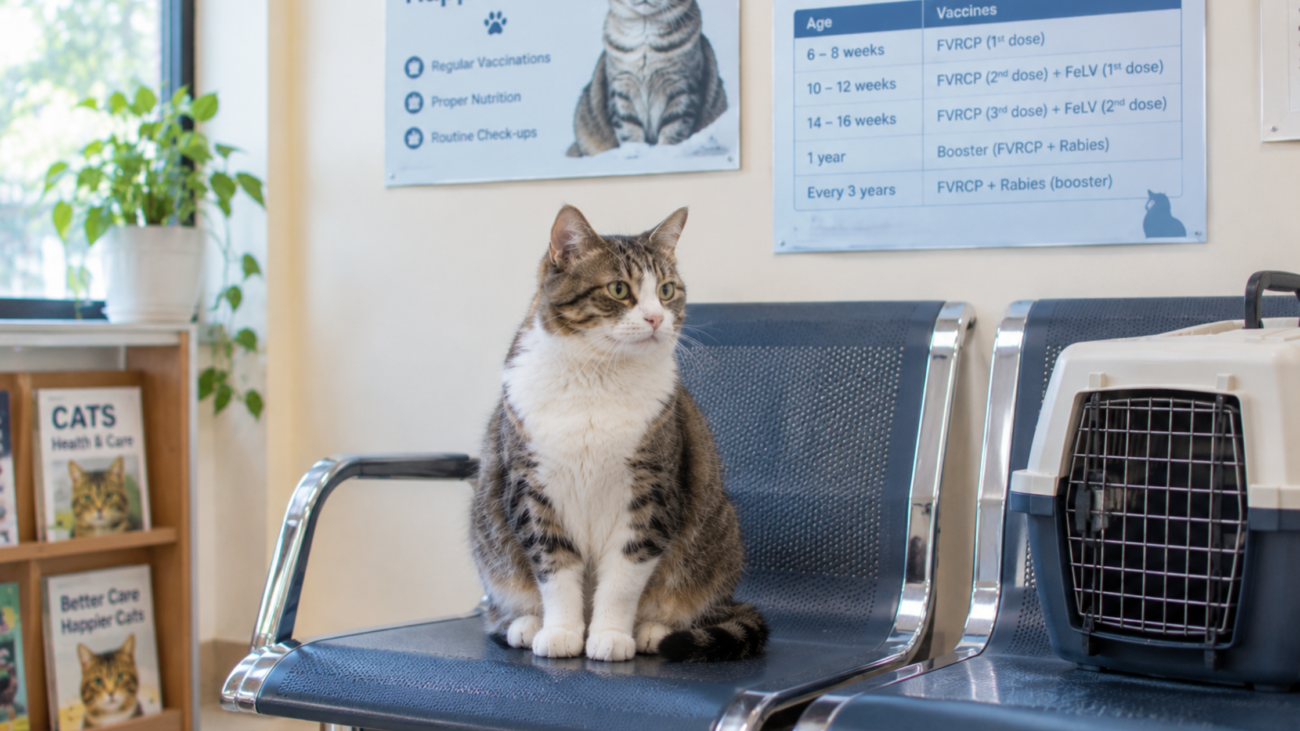
When To Visit A Vet For A Stressed Cat
Helping a Stressed Cat – When to Visit a Vet for Your Feline Friend.
When To Visit A Vet For A Stressed Cat – Stress that continues for more than 7-10 days in addition to possible physical symptoms in your cat, a decrease in appetite and a cessation of use of the litter box (and so of the bathroom area) indicates that stress has moved beyond the realm of behavior modification and would require a visit to a vet.
- Has not eaten for more than 48 hours
- Is straining to urinate or producing no urine (veterinary emergency)
- Shows signs of blood in urine or stool
- Is unresponsive or unusually lethargic
- Has developed visible wounds from over-grooming
Veterinarians can prescribe short-term anti-anxiety medications such as gabapentin or fluoxetine for severe or chronic feline stress. A vet visit also rules out underlying medical conditions — pain, hyperthyroidism, or UTIs — that mimic or worsen stress-related behaviour.
How To Prevent Stress In Cats
Cat stress is largely preventable through proactive environmental management, routine consistency, and early socialisation. Prevention is more effective and less costly than treatment.
Key prevention strategies:
- Kitten socialisation – Expose kittens to a variety of people, sounds, and environments between 2–9 weeks of age. Well-socialised kittens develop greater stress resilience as adults.
- Stable environment – Avoid frequent furniture rearrangement, and prepare cats gradually for known disruptions (guests, travel, renovations).
- Annual vet check-ups – Identify and treat health conditions before they create pain-related stress.
- Enriched indoor life – A cat with adequate play, exploration opportunities, and mental stimulation is significantly less vulnerable to anxiety.
Prevention reduces the frequency and severity of stress episodes, protecting long-term feline health and the human-cat bond.
Conclusion
Cat stress is a serious, manageable condition but only when recognised early.Check out the 5 most critical signs that could indicate that your cat needs immediate medical attention. Your cat could be signaling that it is in serious distress.
As an Indian cat owner it is best to know about the seasonal changes around you and how they could be affecting your feline friend. Just as the monsoon and Diwali can cause stress and anxiety in humans and pets alike, there are many practical solutions to stop your cat’s stress and in most cases treat it immediately. This could be anything from a diffuser filled with a pet pheromone to prescription medicine from a vet.
The most important action any cat owner can take is to observe their cat’s baseline normal behaviour and act decisively when that baseline changes. A calm cat is a healthy cat. A healthy cat is a happier companion for years to come.
Frequently Asked Questions
How do I know if my cat is stressed or just tired?
A tired cat will sleep as normal go back to normal when awake & go back to sleep when tired. A stressed cat will be ‘abnormal’ for 48hrs+ (after which they should start to come back to ‘normal’ – it’s only after this that you can safely start to determine if all is ‘OK’ or if they need to see a vet & it’s always best to wait 2-3 days to see if their ‘abnormal’ behavior returns before phoning for advice). Examples of stressed behavior include normal hiding behavior +, lack of appetite +, increased aggression +, etc.
Can stress make a cat physically sick?
Yes. Chronic stress in cats can cause illness. There are many stress-related conditions in cats including feline idiopathic cystitis (FIC), irritable bowel syndrome (IBS), skin disease (because of over-grooming) and immune suppression with consequent disease.
How long does cat stress last?
Acute stress is caused by a single event or stimulus and is typically of short duration (up to 24 to 72 hours). Chronic stress, on the other hand, is the result of a prolonged source of stress (weeks to months) ie new baby, new pet, new home etc. Stress that persists for greater than 7 to 10 days warrants investigation.
Is Feliway effective for cats in India?
Both Feliway Classic and Feliway MultiCat are available in India across various pet stores as well as veterinary clinics. Research has proven that Feliway is very effective in managing stress related behavior in cats such as urine spraying, hiding and inter-cat aggression. Results are generally visible within a week to 14 days of consistent use.
Can I give my cat human anxiety medication for stress?
No. Many human anxiety medications are very hazardous to cats even at typical human doses and should not be given to cats without the prescription of a veterinarian and under the veterinarian’s supervision. These include benzodiazepines, SSRIs, and antihistamines. Cats may metabolize many human medications very differently than humans. Never give any human medications to a cat. Instead, always check with a veterinarian first to see if there are any safe alternatives for your cat’s anxiety.
What is the fastest way to calm a stressed cat?
Removing the source of stress or fear and offering your cat a safe space to retreat to and be left undisturbed in is the fastest way to calm down a stressed or fearful cat. Spray the safe space with Feliway as required to give your stressed or fearful cat an instant stress relief in a particular situation. It takes most cats 30–90 minutes to calm themselves in a stress free environment.
Key Takeaways
- Stress in cats is a physiological and behavioural response Stress in cats is a physical and behavioral reaction to changes in environment, to changes in social situation and to illness.
- The 5 signs to never ignore: A host 5 Critical Signs of Stress in Cats that you MUST Know and NEVER Ignore: 1) Hiding persistently, 2) Food refusal or over-eating, 3) Grooming excessively, 4) Avoiding litter box and 5) Sudden aggression or drastic change in her lovely feline personality.
- Indian-specific stressors A host of Indian-specific stressors could be afflicting your cat – the loud monsoon thunder for example or the fireworks on Diwali. Urban heat, especially in confined apartments, can stress a cat out as well. Lastly, households with many pets can create stress in individual cats.
- Immediate calming Remove the stressor from your cat’s environment and provide a safe space for your cat to retreat to – reduce the stimuli as much as possible and immediately calm your cat.
- Long-term management Long lasting stress relief is achieved by setting up a normal daily routine for your cat and supplying him or her with sufficient enrichment. Using synthetic pheromone ‘mimics’ such as Feliway can also be very effective
- Vet consultation is essential. If the behavior changes mentioned above continue for 7-10 days or are further accompanied by physical symptoms then it would be advised to get your cat checked by a vet.
Glossary
Cat stress In a threat situation (of environmental or social nature) a cat’s nervous system is activated for a threat-response by the cat.
Cortisol These are the stress hormones produced by the adrenal glands which help prepare the body for danger. Although in high amounts for short periods they are of little harm, in high amounts for long periods they are very damaging to the immune system and to organs throughout the body.
Feline idiopathic cystitis (FIC) Feline idiopathic cystitis is the most common form of cystitis in the feline species. It is a condition where inflammation occurs in the wall of the bladder for which no obvious cause or structural abnormality is found. Studies have confirmed that FIC is associated with psychosocial stress in cats.
Psychogenic alopecia This type of hair loss results in patches of bald skin and is a result of a stress-induced compulsive behavior that cats have which causes them to fixate on certain parts of their body and scratch continually until the hair is lost in that particular area.
Feliway Feliway is a synthetic feline facial pheromone (FFP) that is available in a number of different formats including diffusers, sprays and even collar form. In scientific studies it has been proven to work in reducing stress-related behaviors in cats.
Hepatic lipidosis A potentially life-threatening condition found in cats where large amounts of fat in the form of oil are deposited in the liver, often within days of a normally active, active animal ceasing to eat for no apparent reason — stress being a common cause.
Gabapentin Medication, prescribed for use in the cat, to treat both anxiety and pain. It can be given to cats to help them deal with stressful situations such as car travel or even a visit to the vet.
Zylkene A nutritional supplement (available from vets) which contains alpha-casozepine. It is a milk protein with a calming effect on cats. Unlike many other stress-relievers Zylkene does not make cats sleepy.